Surgical Rehabilitation
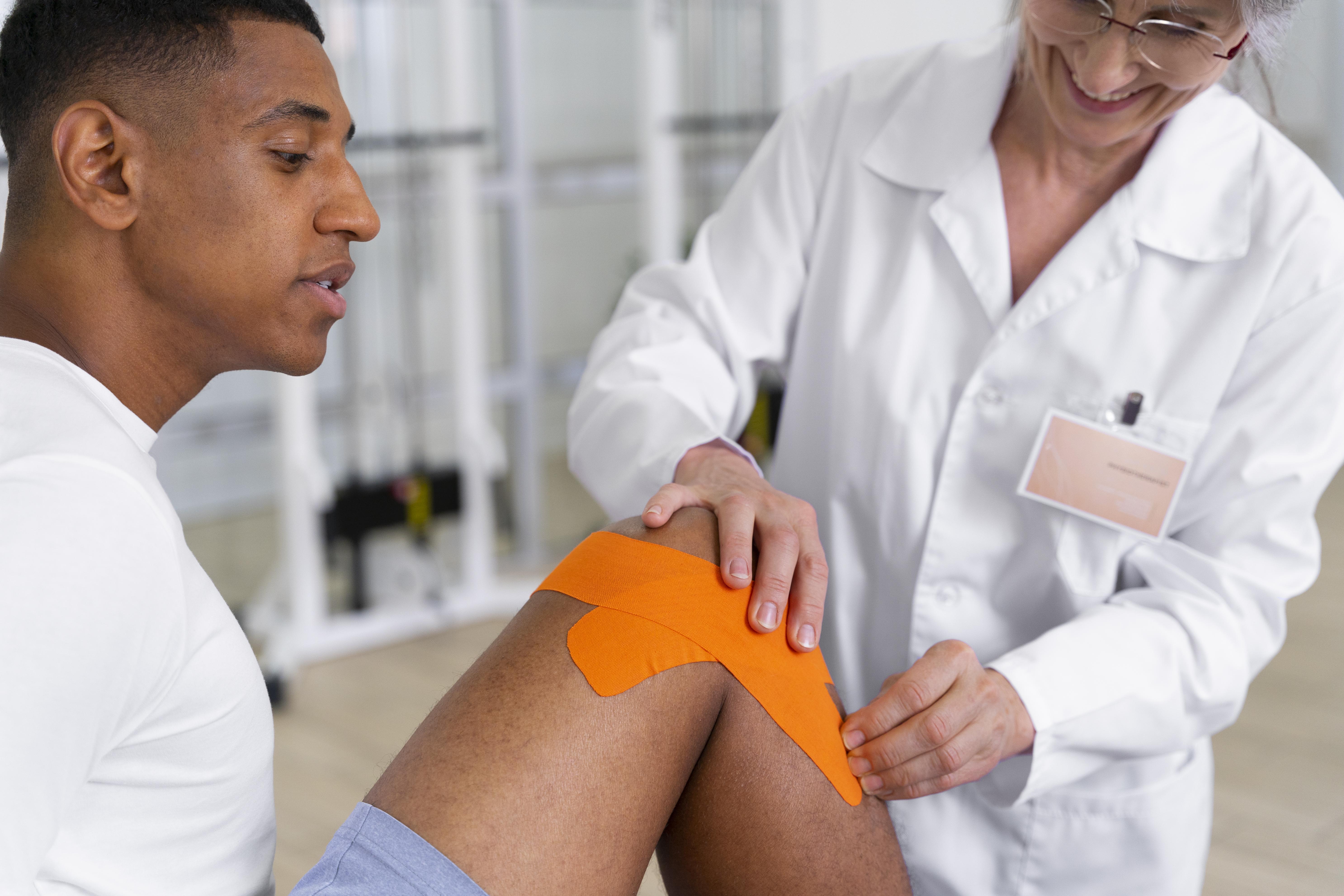
Supporting Movement Before and After Surgery
Surgery can temporarily change how your body moves. Strength, mobility, balance, and
endurance may feel different both before and after a procedure. It’s common to feel
uncertain about what to expect — especially in the space between medical appointments and
everyday life.
Surgical rehabilitation supports movement throughout that process. Whether you are preparing
for surgery or recovering afterward, physical therapy focuses on rebuilding capacity so
daily activities feel steadier and more manageable over time.
The goal is not to rush recovery. It is to guide safe, progressive movement based on how
your body responds.
What is surgical rehabilitation?
Surgical rehabilitation refers to physical therapy provided before or after a surgical
procedure. It supports movement preparation going into surgery and movement recovery
afterward.
Rather than following a fixed protocol, care is individualized. Your plan is based on
how you are moving now, what demands you need to return to, and how your body is
responding.
Rehabilitation after surgery respects the natural healing process while gradually
rebuilding strength, coordination, and tolerance to activity. The focus remains on
helping everyday movements feel more stable, efficient, and manageable.
How Surgery Can Affect Movement
After many procedures, it is common to notice:
- Temporary stiffness
- Reduced strength
- Changes in balance or coordination
- Hesitation with certain movements
- Lower endurance during daily tasks
Even routine activities like standing up, climbing stairs, or carrying objects may
require more attention at first.
Physical therapy after surgery focuses on restoring tolerance to these movements so they
feel smoother and more efficient.
What a Surgical Rehabilitation Program May Include
Each program begins with a physical therapy evaluation to understand how you are moving
now and what you need to return to.
Care may include:
- Mobility restoration
- Progressive strengthening
- Balance and stability training
- Gait retraining
- Functional movement practice
- Education on pacing and activity progression
Progression is guided by movement quality and tolerance rather than a rigid schedule.
Types of Surgical Rehabilitation We Offer
Recovery needs vary depending on the procedure. We provide structured programs for:
- Pre- & Post-Surgical Rehabilitation
- Knee & Hip Replacement Rehabilitation
- Tendon Repair Rehabilitation
Each program addresses the specific movement demands associated with that procedure,
including joint replacement recovery physical therapy and post-operative tendon
rehabilitation.
Common Questions About Rehabilitation After Surgery
Do I need physical therapy after surgery?
Many individuals benefit from guided rehabilitation to help rebuild strength, mobility,
and movement confidence after surgery. A physical therapy evaluation can help determine
what level of support may be appropriate.
Can I start physical therapy before surgery?
In some cases, beginning therapy beforehand may help improve baseline strength and
movement familiarity, which can make early recovery feel more structured.
How long does surgical rehabilitation take?
The duration of post-operative physical therapy varies depending on the procedure and
how your body responds to movement. Care is adjusted based on function and goals rather
than a fixed timeline.
Learn More About Physical Therapy
If you’d like more information about what to expect during physical therapy, visit our
Patient Resources page.
Get Started
If preparing for surgery or recovering afterward is affecting how you move or function
each day, a physical therapy evaluation may help identify movement patterns,
contributing factors, and next steps for care.
Pre- and Post-Surgical
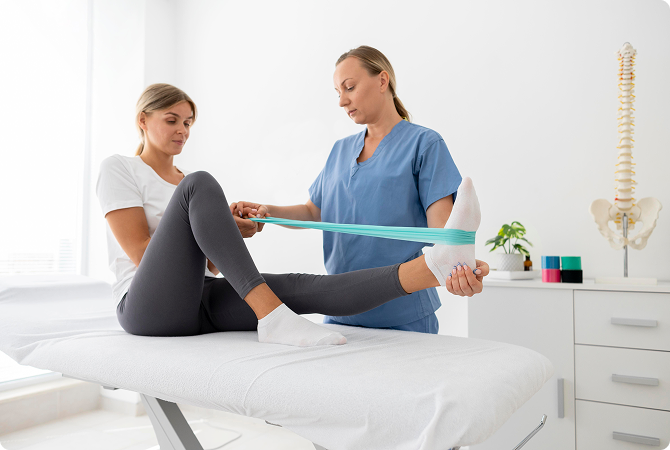
Preparing for Surgery and Recovering with Confidence
Preparing for surgery often brings mixed emotions. You may be wondering what recovery will
feel like, how long everyday tasks might feel different, or whether you’ll lose strength and
mobility along the way.
It’s normal to feel uncertain.
Pre- and post-surgical rehabilitation focuses on supporting your movement both before and
after a procedure. The goal is not to rush recovery or promise outcomes. Instead, it centers
on building and rebuilding physical capacity so you can move with greater confidence
throughout the process.
Surgery can temporarily change how your body tolerates movement and load. Physical therapy
before surgery and physical therapy after surgery may help you prepare beforehand and
gradually restore movement afterward.
How Preparation and Recovery Work Together
Before surgery, your body has a certain level of strength, mobility, balance, and
endurance. After surgery, that capacity often changes temporarily. Muscles may feel
weaker. Joints may feel stiff. Movements may require more effort.
Pre-surgical physical therapy focuses on building capacity before surgery.
Post-surgical physical therapy focuses on rebuilding and expanding capacity afterward.
Together, they support a smoother transition from preparation to recovery by helping you
understand how your body responds to movement at each stage.
Preparing for Surgery (Pre-Surgical Rehabilitation)
Why Consider Physical Therapy Before Surgery?
Pre-surgical rehabilitation, sometimes called pre-hab, focuses on improving how your
body moves before a planned procedure.
This may include:
- Improving joint mobility
- Strengthening surrounding muscles
- Practicing movements you’ll use after surgery
- Building endurance for daily tasks
Becoming familiar with exercises ahead of time can reduce uncertainty and make early
recovery feel less overwhelming. Many people find that understanding how to move safely
before surgery helps them feel more prepared afterward.
Pre-surgical physical therapy does not replace medical care or surgical planning. It
supports movement readiness going into the procedure.
Recovering After Surgery (Post-Surgical Rehabilitation)
After surgery, it is common to experience:
- Stiffness
- Swelling
- Reduced strength
- Decreased endurance
- Changes in balance or coordination
These changes can temporarily affect how you move throughout the day.
Post-surgical rehabilitation focuses on gradually restoring:
- Mobility
- Strength
- Balance
- Movement confidence
- Tolerance to activity
Recovery is individualized. Some people need support with walking comfortably again.
Others may need guidance returning to stairs, driving, work tasks, or recreational
activities.
It’s also common to feel cautious about certain movements after surgery. Part of
post-surgical physical therapy includes gradually rebuilding trust in your body through
safe, progressive exposure to movement.
How Surgery Recovery Can Affect Daily Life
Before and after a procedure, everyday activities may feel different. You might notice
changes when:
- Getting in and out of bed
- Showering or dressing
- Climbing stairs
- Sitting down and standing up
- Walking longer distances
- Carrying groceries
- Returning to exercise
Surgical rehabilitation focuses on helping these movements feel more manageable over
time.
What a Surgical Rehabilitation Program May Include
Every program begins with a physical therapy evaluation to understand your current
movement patterns, physical demands, and goals.
Care is individualized and may include:
- Gentle mobility exercises
- Progressive strengthening
- Balance training, when appropriate
- Gait retraining
- Task-specific movement practice
- Education on pacing and activity modification
The approach is gradual and responsive. Your plan is adjusted based on how your body
tolerates movement, rather than following a rigid protocol.
Common Questions About Pre- & Post-Surgical Rehabilitation
What is pre-surgical physical therapy?
Pre-surgical physical therapy is movement-based preparation before a planned procedure.
It focuses on improving strength, mobility, and exercise familiarity so you feel more
prepared going into surgery.
Is physical therapy before surgery worth it?
Many people find value in improving baseline strength and mobility beforehand. While
every situation is different, building movement capacity prior to surgery may help you
feel more confident during recovery.
Do I need physical therapy after surgery?
Not every procedure requires the same level of rehabilitation, but many people benefit
from guided movement progression after surgery. A physical therapy evaluation can help
determine what level of support may be appropriate for you.
How long does post-surgical rehabilitation last?
The duration of post-surgical rehab varies depending on the procedure, your starting
point, and how your body responds. Care is adjusted based on your progress and goals
rather than a fixed timeline.
Is it normal to feel stiff or weak after surgery?
Yes. Temporary stiffness and reduced strength are common after many procedures. Gradual
movement progression and strengthening may help improve tolerance over time.
Can physical therapy help after joint replacement or tendon repair?
Physical therapy may support mobility, strength, and functional movement after
procedures such as knee replacement, hip replacement, or tendon repair. Treatment is
individualized to your needs and activity goals.
Related Programs
- Knee & Hip Replacement Rehabilitation
- Tendon Repair Rehabilitation
- Balance & Neurologic Programs
- Therapeutic Exercise
- Sports & Work Injury Rehabilitation
Learn More About Physical Therapy
If you’d like more information about what to expect during physical therapy, visit our
Patient Resources page.
Get Started
If surgery or recovery from a procedure is affecting your daily life, a physical therapy
evaluation may help identify movement patterns, contributing factors, and next steps for
care.
Knee and Hip Replacement
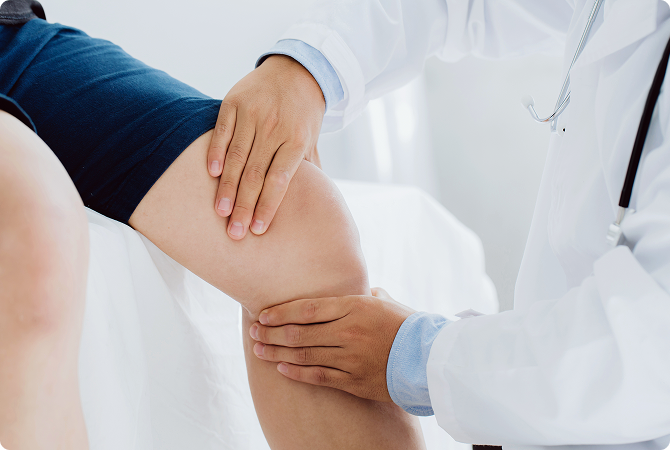
Moving Through Knee Replacement or Hip Replacement Recovery
Choosing a knee replacement or hip replacement often comes after a long period of joint
discomfort that has started to limit daily life. By the time surgery is considered, many
people have already adjusted how they walk, climb stairs, or move through the day.
After surgery, movement changes again.
Strength may feel reduced. The joint may feel stiff. Walking may require more focus. Even
familiar tasks can feel unfamiliar at first.
Knee and hip replacement rehabilitation focuses on helping you gradually rebuild movement
capacity so daily activities feel steadier and more natural over time. The goal is not to
rush recovery, but to support safe, progressive improvement in how you move.
Before Surgery: Preparing for Joint Replacement
When appropriate, physical therapy before knee replacement or physical therapy before
hip replacement can help prepare your body for the demands of surgery and recovery.
This phase — sometimes referred to as prehabilitation before joint replacement — focuses
on:
- Improving joint mobility
- Strengthening muscles that support standing and walking
- Practicing safe movement strategies
- Building endurance for everyday tasks
Learning exercises and movement strategies beforehand can reduce uncertainty after
surgery. Instead of starting recovery unfamiliar with the process, you begin with a
foundation.
Preparation does not replace surgical care. It supports movement readiness going into
the procedure.
After Surgery: Rebuilding Movement Step by Step
Following a knee replacement or hip replacement, it is common to notice:
- Stiffness, especially after sitting or resting
- Temporary swelling
- Muscle weakness
- Changes in walking pattern
- Reduced balance or endurance
These changes reflect the body adapting to surgery and altered movement demands.
Rehabilitation after knee replacement and rehabilitation after hip replacement focus on
restoring:
- Joint mobility
- Strength around the joint
- Efficient walking mechanics
- Balance and coordination
- Confidence with weight-bearing
Recovery is gradual. Rather than forcing motion, therapy helps increase what your body
can tolerate over time. As load tolerance improves, movement often feels smoother and
requires less effort.
What Joint Replacement Recovery Can Feel Like Day to Day
Recovery often shows up in everyday moments.
Standing up from a chair without hesitation.
Walking a little farther than the week before.
Getting in and out of the car with less effort.
Climbing stairs with more control.
During knee or hip replacement recovery, you may notice challenges with:
- Rising from low seating
- Putting on socks or shoes
- Turning while walking
- Carrying household items
- Sleeping comfortably
Knee and hip replacement rehab focuses on rebuilding comfort and confidence in these
movements.
What a Joint Replacement Rehabilitation Program May Include
Every plan begins with a physical therapy evaluation to assess your current movement
patterns, strength, balance, and functional goals.
Your individualized program may include:
- Progressive mobility exercises to improve range of motion
- Strength training for the hips, thighs, and lower legs
- Balance retraining to improve stability
- Gait training to refine walking mechanics
- Functional task practice for stairs and daily activities
- Education on pacing and gradual activity progression
Care is adjusted based on how your body responds. Progression is guided by movement
quality and tolerance, not by a rigid schedule.
Common Questions About Knee & Hip Replacement Rehabilitation
What does rehabilitation after knee replacement involve?
Rehabilitation after knee replacement typically focuses on improving mobility,
rebuilding strength, and restoring walking mechanics. Treatment is individualized and
progresses based on how your body responds.
Do I need physical therapy after hip replacement surgery?
Many individuals benefit from physical therapy after hip replacement to help improve
balance, strength, and walking efficiency. A physical therapy evaluation can help
determine what level of support may be appropriate.
Is stiffness normal during joint replacement recovery?
Yes. Temporary stiffness is common after both knee replacement and hip replacement.
Gradual mobility work and strengthening may help improve comfort and movement tolerance.
How long does rehab after knee or hip replacement take?
The length of joint replacement rehabilitation varies for each person. Baseline
strength, overall health, and how your body responds to activity all influence
progression. Care is adjusted to your needs rather than a fixed timeline.
When will walking feel more natural after a hip replacement?
Walking patterns often change temporarily after surgery. Gait training and strengthening
exercises may help improve walking efficiency as strength and balance improve.
Can physical therapy improve range of motion after knee replacement surgery?
Improving range of motion is often part of knee replacement rehabilitation. Gentle,
progressive exercises may help increase movement comfort over time.
Related Programs
- Pre- & Post-Surgical Rehabilitation
- Tendon Repair Rehabilitation
- Fall Prevention & Balance Programs
- Therapeutic Exercise
- Chronic Pain Management
Learn More About Physical Therapy
If you’d like more information about what to expect during physical therapy, visit our
Patient Resources page.
Get Started
If recovery after a knee replacement or hip replacement is affecting your daily life, a
physical therapy evaluation may help identify movement patterns, contributing factors,
and next steps for care.
Tendon Repair

Recovering After Tendon Repair Surgery
A tendon repair is performed when a tendon has torn or ruptured and needs surgical
correction. Tendons connect muscle to bone, allowing you to lift, push, pull, grip, walk,
and stabilize your joints.
When a tendon is injured, movement can feel weak or unreliable. After surgery, it may feel
protected — but also unfamiliar. It’s common to feel cautious using the repaired area. You
may find yourself wondering whether certain movements are safe, or why strength hasn’t
returned yet.
That uncertainty is normal.
Tendon repair rehabilitation focuses on gradually restoring strength, coordination, and load
tolerance so movement begins to feel steady and dependable again.
Why Tendon Rehabilitation Is Different
Tendons heal differently than muscles. They respond best to gradual, progressive loading
over time.
After tendon repair surgery, the repaired tissue often needs initial protection. But
long-term recovery depends on carefully reintroducing movement and resistance. Too
little loading can contribute to stiffness and weakness. Too much too soon can increase
irritation.
Physical therapy after tendon repair helps guide that balance. The goal is not simply
movement — it’s the right amount of movement at the right stage.
As loading is introduced progressively, tendons adapt. Strength improves. Coordination
between muscle and tendon becomes more efficient. Confidence with movement increases.
Preparing for Tendon Repair Surgery
When appropriate, physical therapy before tendon repair may help maintain strength and
mobility in surrounding areas.
Preparation may include:
- Preserving joint range of motion
- Strengthening uninvolved muscle groups
- Maintaining overall conditioning
- Reviewing safe movement strategies
Entering surgery with a stronger baseline can make early recovery feel more structured
and familiar.
Rebuilding Capacity After Tendon Repair
During tendon repair recovery, you may notice:
- Stiffness in the joint
- Temporary muscle weakness
- Hesitation with lifting or weight-bearing
- Changes in coordination
These changes are part of the body adapting.
Rehabilitation after tendon repair focuses on rebuilding capacity step by step. This
often includes gradual range-of-motion work, progressive strengthening, and controlled
loading exercises that help the repaired tendon tolerate increasing demand.
Rather than forcing movement, therapy builds tolerance gradually. As strength and
control improve, everyday tasks often feel smoother and require less effort.
How Tendon Repair Recovery Affects Daily Life
Tendons support nearly every movement. Depending on the area involved, you may notice
difficulty with:
- Pushing open a heavy door
- Reaching overhead
- Going down stairs
- Gripping objects firmly
- Lifting a bag or child
- Returning to repetitive work tasks or sports
These challenges are common after tendon repair surgery. Rehabilitation focuses on
restoring control and confidence in these specific movements.
What a Tendon Repair Rehabilitation Program May Include
Every program begins with a physical therapy evaluation to assess strength, mobility,
movement quality, and functional goals.
Your individualized plan may include:
- Gentle mobility progression
- Targeted strengthening exercises
- Tendon-specific loading strategies
- Balance or stability training when appropriate
- Task-specific retraining for work or sport
- Education on pacing and symptom monitoring
Progression is guided by how your body responds — not by a rigid schedule. The emphasis
remains on restoring functional strength while respecting tissue healing.
Common Questions About Tendon Repair Rehabilitation
What does physical therapy after tendon repair surgery involve?
Rehabilitation typically includes progressive mobility work, strengthening exercises,
and controlled loading strategies to help restore tendon function and movement
confidence.
Why does the repaired area still feel weak?
Surgery restores structural integrity, but muscle strength and neuromuscular
coordination need to be rebuilt. Gradual strengthening helps retrain how the muscle and
tendon work together.
Is stiffness normal during tendon repair recovery?
Yes. Temporary stiffness is common after tendon repair. Progressive mobility and
strengthening may help improve movement tolerance over time.
How long does tendon repair rehab take?
The duration of tendon repair rehabilitation varies depending on the tendon involved and
how your body responds to progressive loading. Care is adjusted based on function and
tolerance rather than a fixed timeline.
When can I return to activity after a tendon repair?
Return to activity depends on strength, coordination, and load tolerance. A physical
therapy evaluation can help determine when specific tasks may be appropriate to resume.
Related Programs
- Pre- & Post-Surgical Rehabilitation
- Knee & Hip Replacement Rehabilitation
- Sports & Work Injury Rehabilitation
- Therapeutic Exercise
- Chronic Pain Management
Learn More About Physical Therapy
If you’d like more information about what to expect during physical therapy, visit our
Patient Resources page.
Get Started
If recovery after a tendon repair is affecting your daily life, a physical therapy
evaluation may help identify movement patterns, contributing factors, and next steps for
care.
Balance & Neurologic Programs
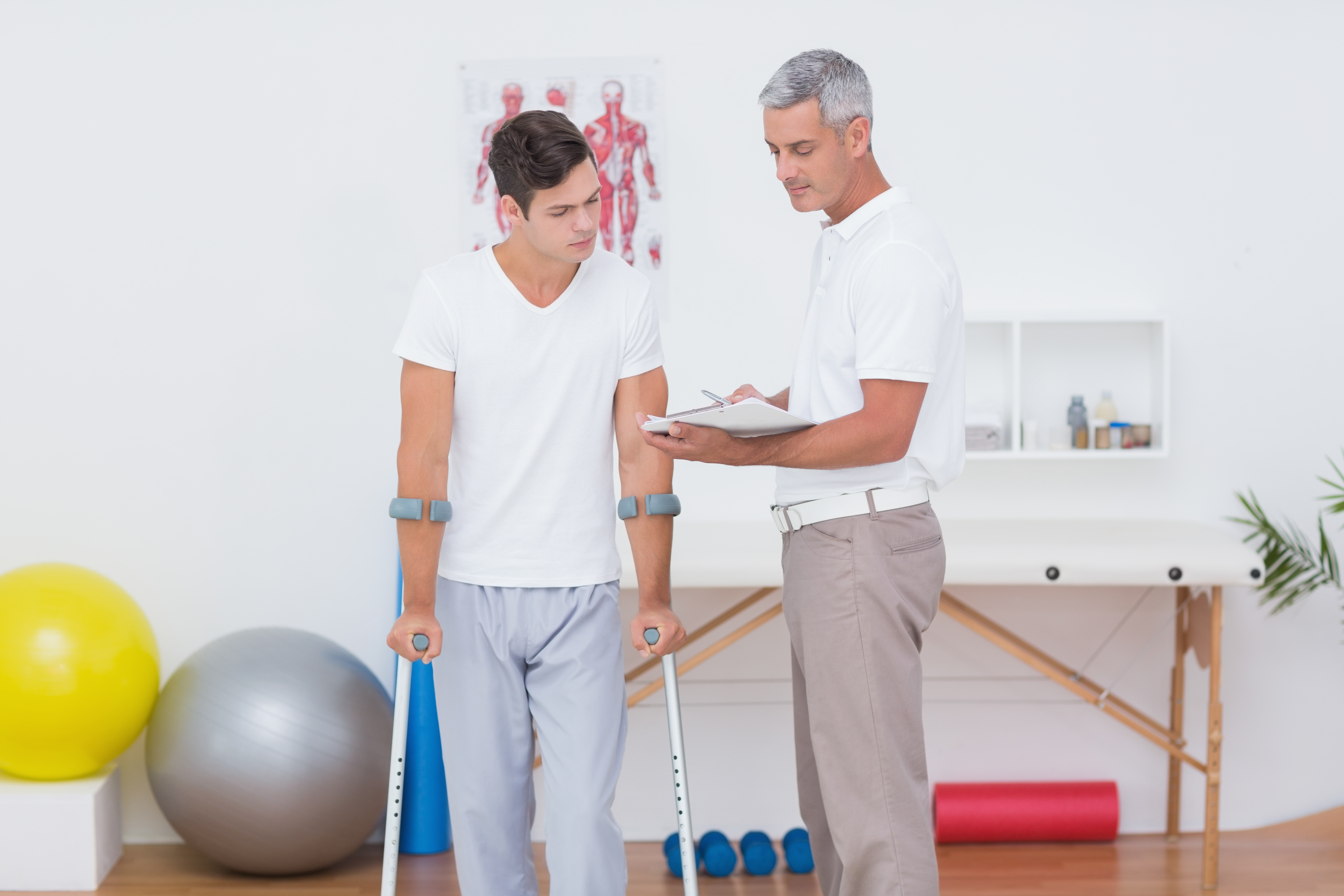
Supporting Stability, Coordination, and Movement Confidence
Balance and coordination rely on multiple systems working together — including the inner
ear, vision, muscles, and nervous system. When these systems are disrupted, movement can
feel uncertain.
You may notice dizziness, instability while walking, difficulty turning your head, or a
general sense of imbalance.
Our Balance & Neurologic Programs focus on restoring stability and rebuilding movement
confidence through individualized physical therapy.
These programs are designed to support recovery — not simply manage symptoms.
How Balance and Neurologic Changes Can Affect Daily Life
Changes in balance or coordination may make everyday tasks feel more demanding, such as:
- Walking in crowded environments
- Turning quickly
- Using stairs
- Navigating uneven surfaces
- Moving in low-light settings
It’s common to begin avoiding certain movements to prevent discomfort or instability.
Over time, this can reduce confidence and increase sensitivity.
Targeted rehabilitation helps reintroduce movement gradually and safely.
Our Balance & Neurologic Rehabilitation Programs
We offer specialized programs based on your specific needs:
Each program begins with a physical therapy evaluation to understand your movement
patterns, activity goals, and areas of concern.
Learn More About Physical Therapy
If you’d like more information about what to expect during physical therapy, visit our
Patient Resources page.
Get Started
If balance changes or neurologic concerns are affecting your daily life, a physical
therapy evaluation may help identify movement patterns, contributing factors, and next
steps for care.
Vestibular Rehabilitation
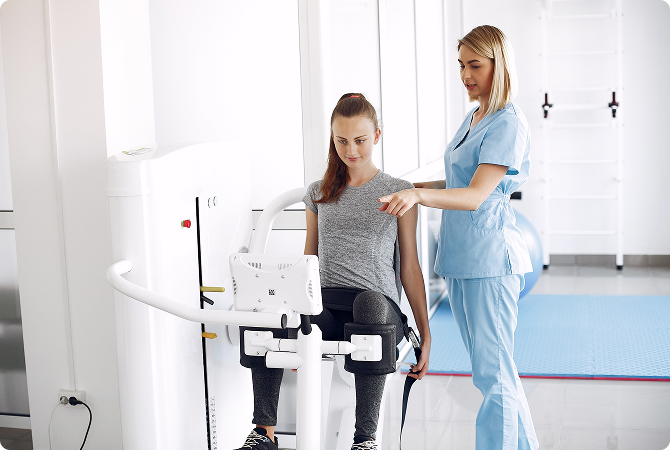
Rebuilding Stability with Vestibular Rehabilitation
Feeling unsteady, lightheaded, or off balance can make even simple movements feel uncertain.
Turning your head, walking through a busy space, or bending down may suddenly require more
attention than before.
Vestibular rehabilitation is a specialized form of physical therapy focused on restoring
balance, improving stability, and helping your body adapt to movement again.
This program is designed to support recovery — not just manage symptoms — by retraining how
your balance systems work together.
How Balance Works
Your sense of balance depends on three systems working together:
- The inner ear (vestibular system)
- Your vision
- Feedback from your muscles and joints
When these systems communicate clearly, movement feels steady. When communication is
disrupted, you may notice dizziness, imbalance, or motion sensitivity.
Vestibular physical therapy focuses on improving how these systems coordinate during
movement.
Why Symptoms Can Persist
After a vestibular disruption — such as an inner ear issue, concussion, or
balance-related condition — your body may begin avoiding certain movements to prevent
symptoms.
Over time, this avoidance can increase sensitivity. Head turns may feel uncomfortable.
Walking in crowded areas may feel overwhelming. Quick movements may trigger unease.
Vestibular rehabilitation therapy (VRT) works by gradually reintroducing movement in a
controlled way. This process helps your nervous system adapt and regain confidence in
motion.
How Vestibular Rehabilitation Therapy Supports Recovery
Unlike passive treatments, vestibular rehabilitation exercises are active and
movement-based.
Your program may include:
- Head and eye coordination exercises
- Gaze stabilization training
- Balance challenges on stable and unstable surfaces
- Gradual exposure to symptom-triggering positions
- Walking and mobility training
These exercises are progressed based on tolerance. The goal is not to eliminate all
sensation immediately, but to improve how your body responds to movement over time.
Care is individualized. Exercises are selected based on your specific presentation and
recovery needs.
Who This Program Is For
Vestibular rehabilitation may benefit individuals who are experiencing:
- Persistent dizziness
- Motion sensitivity
- Balance changes while walking
- Unsteadiness in busy or visually complex environments
- Recovery after inner ear conditions
- Balance concerns following concussion
For detailed information about specific conditions such as vertigo, please visit our
dedicated condition page.
Common Questions About Vestibular Rehabilitation
What is vestibular rehabilitation therapy?
Vestibular rehabilitation therapy (VRT) is a structured physical therapy program
designed to improve balance, reduce dizziness, and retrain coordination between the
inner ear, eyes, and body.
Can physical therapy help with dizziness?
Yes. Physical therapy for dizziness focuses on movement retraining and gradual exposure
exercises that help improve stability and reduce motion sensitivity.
Will exercises make my symptoms worse?
Some exercises may temporarily increase mild symptoms because they gently challenge the
system. Programs are progressed carefully based on your tolerance.
How long does vestibular rehabilitation take?
The duration of vestibular therapy varies depending on the underlying issue and how your
body adapts. Progression is based on response and functional improvement rather than a
fixed timeline.
Related Programs
- Fall Prevention & Balance Programs
- Chronic Pain Management
- Pre- & Post-Surgical Rehabilitation
Learn More About Physical Therapy
If you’d like more information about what to expect during physical therapy, visit our
Patient Resources page.
Get Started
If dizziness or balance changes are affecting your daily life, a physical therapy
evaluation may help identify contributing movement factors and next steps for care.
Fall Prevention & Balance
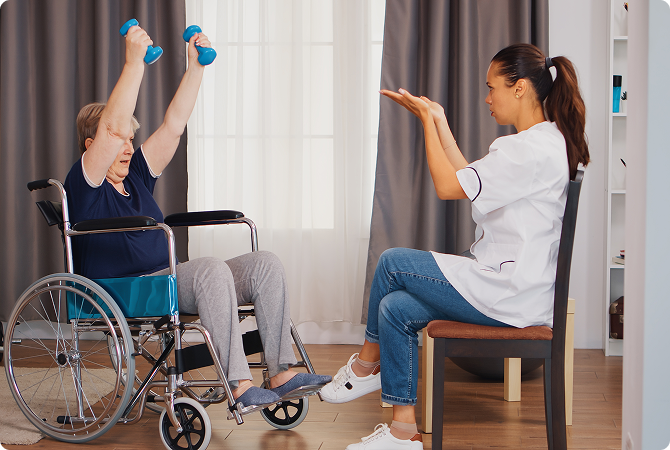
Improving Stability with a Structured Fall Prevention Program
Balance changes are often gradual. You may begin holding railings more firmly, avoiding
uneven ground, or feeling less steady when turning quickly.
These small adjustments can affect how confidently you move.
Our Fall Prevention & Balance Program focuses on strengthening the physical systems that
support stability. Rather than waiting for a fall to occur, this program is designed to help
you improve balance and reduce fall risk through targeted, movement-based training.
The emphasis is on building capacity — not creating fear.
Who May Benefit from Fall Prevention Physical Therapy
A structured fall prevention program may be appropriate if you are experiencing:
- Unsteadiness while walking
- Difficulty recovering from a misstep
- Hesitation on stairs
- Reduced confidence in low-light or crowded environments
- A previous fall
- Decreased lower-body strength
Balance concerns can develop after surgery, illness, inactivity, or changes in overall
health. They are not limited to age alone.
Physical therapy for fall risk focuses on improving strength, coordination, and reaction
time so movement feels more controlled.
Why Strength and Reaction Time Matter
Preventing falls is not only about standing still without wobbling. It is about how your
body responds when something unexpected happens — a quick turn, a missed step, or uneven
pavement.
Stability depends on:
- Lower-body strength
- Postural control
- Coordination
- Joint mobility
- Endurance
- The ability to react quickly
A targeted balance training for fall prevention program challenges these systems in a
safe, progressive way.
Avoiding movement entirely can sometimes reduce confidence and responsiveness.
Structured training helps rebuild both.
What a Fall Prevention & Balance Program May Include
Every program begins with a physical therapy evaluation to assess movement quality,
strength, and fall risk factors.
Your individualized plan may include:
- Lower-body strengthening
- Dynamic balance training
- Reaction and stepping drills
- Walking and directional-change practice
- Dual-task exercises (movement combined with attention tasks)
- Endurance progression
- Education on home and environmental safety
Exercises are progressed based on tolerance and control. The goal is to improve how
efficiently your body responds to movement demands.
How This Program Supports Everyday Life
Improving balance can influence daily activities such as:
- Climbing stairs
- Turning while walking
- Standing from a chair
- Carrying items
- Navigating uneven surfaces
- Moving confidently in community environments
Fall prevention rehabilitation focuses on making these movements feel steadier and more
reliable.
Common Questions About Fall Prevention Physical Therapy
Can physical therapy reduce fall risk?
Targeted exercise programs that address strength, coordination, and reaction time may
help improve stability and reduce fall risk over time.
Do I need to have fallen before starting a fall prevention program?
No. Many individuals begin a fall prevention and balance program proactively when they
notice changes in stability or confidence.
Is balance training for fall prevention safe?
Yes. Exercises are selected and progressed carefully based on your individual
presentation and comfort level.
How long does a fall prevention program last?
Program duration varies depending on your starting point and goals. Progression is based
on function and improvement rather than a fixed timeline.
Related Programs
- Vestibular Rehabilitation
- Chronic Pain Management
- Pre- & Post-Surgical Rehabilitation
Learn More About Physical Therapy
If you’d like more information about what to expect during physical therapy, visit our
Patient Resources page.
Get Started
If concerns about falling or balance changes are affecting your daily life, a physical
therapy evaluation may help identify movement patterns, contributing factors, and next
steps for care.
Therapeutic Services

Movement-Based Care Designed Around Your Goals
Physical therapy is more than symptom management. It is a structured, movement-based
approach to improving strength, mobility, coordination, and overall function.
Our Therapeutic Services focus on helping you move more efficiently and confidently —
whether you are recovering from injury, managing ongoing pain, or working toward specific
performance goals.
Each service is individualized. Care is guided by how you move, what you need to return to,
and how your body responds over time.
How Therapeutic Physical Therapy Services Support Recovery
Movement limitations can affect daily life in many ways, including:
- Reduced strength
- Stiffness or restricted mobility
- Decreased endurance
- Difficulty returning to work or sport
- Persistent pain that limits activity
Our programs emphasize progressive exercise, functional retraining, and gradual load
progression to improve movement tolerance and confidence.
Rather than following a one-size-fits-all model, treatment is tailored to your
presentation and activity goals.
Our Therapeutic Programs
We offer focused programs designed to address different movement needs:
Finding the Right Program
Choosing the right physical therapy program depends on your goals, current limitations,
and activity demands. A physical therapy evaluation helps identify which therapeutic
service best supports your recovery.
Learn More About Physical Therapy
If you’d like more information about what to expect during physical therapy, visit our
Patient Resources page.
Get Started
If pain, injury, or movement limitations are affecting your daily life, a physical
therapy evaluation may help identify movement patterns, contributing factors, and next
steps for care.
Therapeutic Exercise
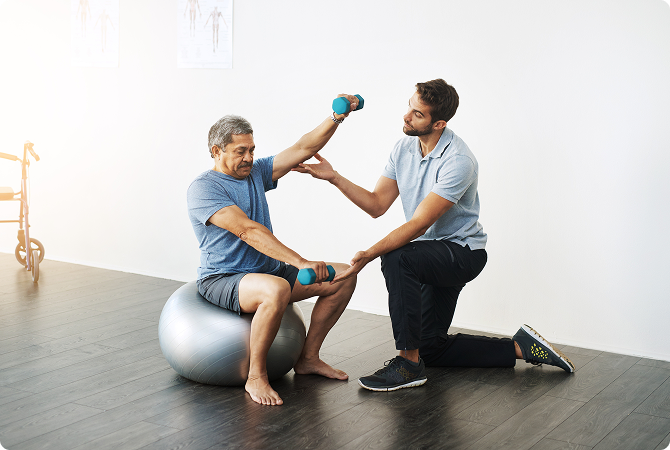
The Foundation of Recovery Through Therapeutic Exercise
Exercise is one of the most powerful tools in physical therapy — not because it is intense,
but because it is structured.
Therapeutic exercise is a targeted, movement-based approach used to improve strength,
mobility, endurance, and overall function. It is often the foundation of many rehabilitation
programs, supporting recovery after injury, periods of inactivity, or movement limitations.
Unlike general workouts, a therapeutic exercise program is built around how you move now —
and where you want to go.
The focus is not simply repetition. It is purposeful progression.
Why Exercise-Based Physical Therapy Matters
When pain, injury, or inactivity change how you move, certain muscles may weaken, joints
may stiffen, and daily activities can begin to feel more demanding.
A structured rehabilitation exercise therapy program helps restore:
- Strength
- Mobility
- Postural control
- Endurance
- Movement efficiency
Rather than jumping into high-intensity activity, exercise in physical therapy is
introduced in stages. Load is increased gradually so your body can adapt safely.
Over time, this approach supports improved tolerance to everyday movement.
What Makes a Therapeutic Exercise Program Different?
General fitness routines often emphasize performance. Corrective exercise in physical
therapy emphasizes movement quality first.
Every plan begins with a physical therapy evaluation to identify:
- Areas of weakness
- Restricted mobility
- Imbalances in movement patterns
- Functional limitations
From there, an individualized exercise program is created. Exercises are selected to
address specific limitations and are progressed based on how your body responds — not
based on a preset template.
This approach supports long-term resilience, not just short-term change.
What a Rehabilitation Exercise Program May Include
A structured program may involve:
- Progressive strength training
- Joint mobility work
- Functional strengthening exercises
- Controlled flexibility progression
- Endurance conditioning
- Task-specific movement practice
The emphasis remains on restoring strength and mobility in ways that carry over into
daily life.
How Therapeutic Exercise Supports Daily Function
Improvements in strength and mobility can influence how you:
- Stand up from a chair
- Lift and carry items
- Walk longer distances
- Climb stairs
- Maintain posture during work
- Return to recreational activities
A well-designed exercise-based physical therapy program focuses on making these
movements feel more efficient and sustainable.
Common Questions About Therapeutic Exercise
What is therapeutic exercise in physical therapy?
Therapeutic exercise refers to structured, individualized movement programs used to
improve strength, flexibility, endurance, and functional mobility.
How is a therapeutic exercise program different from regular exercise?
A therapeutic program is based on clinical assessment and targets specific movement
limitations using progressive, controlled loading.
Can exercise for injury recovery help long-term?
Gradual strengthening and mobility work may help improve activity tolerance and reduce
movement-related discomfort over time.
How long does a rehabilitation exercise program last?
Program duration varies depending on your starting point and goals. Progression is based
on movement response rather than a fixed timeline.
Related Programs
- Sports & Work Injury Rehabilitation
- Chronic Pain Management
- Pre- & Post-Surgical Rehabilitation
Learn More About Physical Therapy
If you’d like more information about what to expect during physical therapy, visit our
Patient Resources page.
Get Started
If weakness, stiffness, or movement limitations are affecting your daily life, a
physical therapy evaluation may help identify contributing factors and next steps for
care.
Sports and Work Injury
Rehabilitation
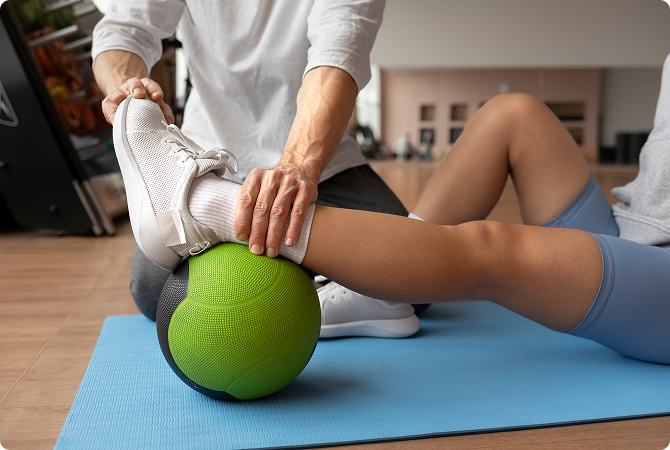
Rebuilding Performance with Sports and Work Injury Rehabilitation
When you are active — whether in sport or at work — your body adapts to specific demands.
Speed, lifting, repetition, endurance, coordination — these movements become part of your
routine.
When injury interrupts that rhythm, recovery is about more than symptom reduction. It is
about restoring the strength, control, and load tolerance required for your activity.
Our sports and work injury rehabilitation program is designed to rebuild capacity so you can
return to sport or job tasks with confidence and resilience.
What Makes Sports Injury Rehabilitation Different?
Athletic injuries often occur during high-speed or high-load movement — sprinting,
cutting, jumping, lifting, or sudden changes in direction.
Even when pain decreases, the body may not yet be prepared for those demands.
Sports injury rehabilitation focuses on:
- Progressive strength and power development
- Agility and directional control
- Dynamic stability
- Endurance under movement
- Gradual return-to-play progression
Rather than returning to sport abruptly, return to sport physical therapy rebuilds
capacity step by step. Exercises begin foundational and become increasingly
sport-specific as tolerance improves.
This structured progression supports performance readiness — not just recovery.
How Work Injury Rehabilitation Supports Job Demands
Work injuries often develop from repetitive strain, sustained postures, lifting demands,
or cumulative load over time.
Work injury rehabilitation focuses on restoring:
- Strength for lifting, carrying, and pushing
- Endurance for full work shifts
- Tolerance for repetitive movement
- Efficient mechanics for task performance
Whether your role involves manual labor, healthcare, construction, driving, or
desk-based work, rehabilitation for work-related injuries is tailored to your daily
demands.
The goal is not simply to feel better — it is to improve your ability to perform work
tasks with greater efficiency and control.
What a Sports and Occupational Rehab Program May Include
Every program begins with a physical therapy evaluation to assess movement quality,
strength, coordination, and activity-specific requirements.
Your individualized plan may include:
- Progressive resistance training
- Functional strengthening exercises
- Agility or directional drills
- Endurance conditioning
- Task-specific movement retraining
- Load management strategies
As you progress, exercises increasingly reflect real-world demands. This functional
return-to-activity training bridges the gap between rehabilitation and full
participation.
Returning to Activity with Greater Confidence
Effective sports and work injury rehabilitation considers what you are returning to.
That may include:
- Sprinting, pivoting, or jumping
- Climbing ladders or stairs
- Carrying equipment or patients
- Repetitive overhead tasks
- Sustained standing or walking
- Rotational lifting
By gradually increasing complexity and load, the body adapts in a controlled way.
The emphasis remains on restoring performance capacity — not simply reducing discomfort.
Common Questions About Sports & Work Injury Physical Therapy
What is sports injury rehabilitation?
It is a structured physical therapy program focused on restoring strength, coordination,
and load tolerance for athletic activities.
How does work injury rehabilitation differ from general therapy?
Work rehab emphasizes job-specific demands such as lifting, repetitive motion tolerance,
and endurance for sustained tasks.
Can physical therapy for athletes support long-term performance?
Targeted strengthening and movement retraining may improve efficiency and resilience,
supporting safer participation over time.
How long does return to sport physical therapy take?
Program duration varies based on injury severity and activity demands. Progression is
guided by functional readiness rather than a fixed timeline.
Related Programs
- Therapeutic Exercise
- Chronic Pain Management
- Pre- & Post-Surgical Rehabilitation
Learn More About Physical Therapy
If you’d like more information about what to expect during physical therapy, visit our
Patient Resources page.
Get Started
If a sports or work injury is limiting your performance or ability to complete job
tasks, a physical therapy evaluation may help identify movement patterns, contributing
factors, and next steps for care.
Chronic Pain Management

A Structured Approach to Chronic Pain Rehabilitation
Persistent pain often changes how you move. You may begin limiting activity, avoiding
certain movements, or fluctuating between doing too much and doing too little.
Our chronic pain management program focuses on restoring consistency and movement tolerance
through structured, graded progression.
Rather than focusing only on pain levels, the emphasis is on rebuilding strength, endurance,
and confidence with daily activity.
How This Program Is Different
Unlike short-term injury recovery, chronic pain rehabilitation is centered on graded
progression.
Rather than avoiding movement entirely, we introduce it carefully and consistently.
This approach may include:
- Gradual strength progression
- Controlled mobility work
- Graded movement therapy
- Aerobic conditioning
- Activity pacing strategies
- Load tolerance training
The goal is to help your body adapt to movement again without overwhelming it.
Rebuilding Capacity Step by Step
With persistent pain, your nervous system can become more protective. This can make
certain movements feel “too much,” even when you’re being careful. Many people also
notice a pattern of doing more on good days and then needing extra recovery afterward.
Our chronic pain management program is designed to break that cycle. We use graded
movement therapy and pacing strategies to help your system tolerate activity more
consistently.
That may include gradually increasing:
- Strength demands
- Walking or activity duration
- Range of motion
- Confidence with everyday movements
Progression is guided by your response and function — not by forcing pain through
willpower.
What to Expect in Physical Therapy for Chronic Pain
Every program begins with a physical therapy evaluation to understand:
- Your movement patterns
- Activity limitations
- Strength and endurance levels
- Daily demands
From there, an individualized plan is created. Exercises are adjusted based on your
response and comfort level.
Education about pacing, recovery, and movement tolerance is integrated throughout the
process.
Common Questions About Chronic Pain Management
What is included in a chronic pain management program?
Programs typically include graded strengthening, mobility work, aerobic conditioning,
and pacing strategies designed to improve activity tolerance.
Is movement safe with ongoing pain?
In many cases, gradual and structured movement is beneficial. Programs are designed to
build tolerance progressively.
How is this different from regular exercise?
A chronic pain rehabilitation program is individualized and progresses in small
increments based on how your body responds.
How long does chronic pain physical therapy last?
Program duration varies. Progression is guided by improvements in function and tolerance
rather than a fixed timeline.
Related Programs
- Therapeutic Exercise
- Sports & Work Injury Rehabilitation
- Pre- & Post-Surgical Rehabilitation
Learn More About Physical Therapy
If you’d like more information about what to expect during physical therapy, visit our
Patient Resources page.
Get Started
If ongoing pain is limiting your ability to stay active or participate in daily tasks, a
physical therapy evaluation may help identify movement patterns and next steps for care.

 Menu
Menu


