
 Menu
Menu

Surgical Rehabilitation
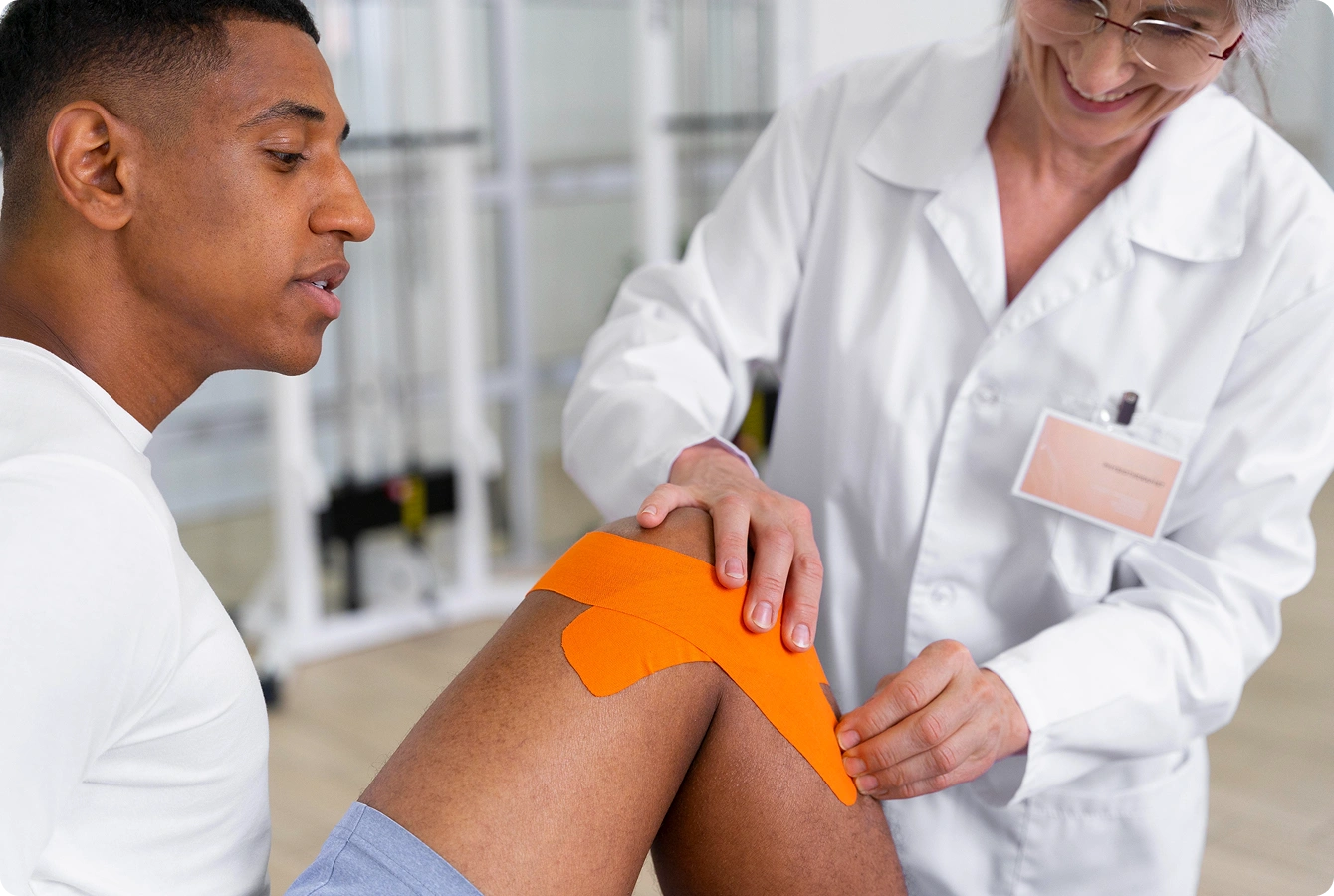
Supporting Movement Before and After Surgery
Surgery can temporarily change how your body moves. Strength, mobility, balance, and endurance may feel different both before and after a procedure. It’s common to feel uncertain about what to expect — especially in the space between medical appointments and everyday life.
Surgical rehabilitation supports movement throughout that process. Whether you are preparing for surgery or recovering afterward, physical therapy focuses on rebuilding capacity so daily activities feel steadier and more manageable over time.
The goal is not to rush recovery. It is to guide safe, progressive movement based on how your body responds.
What is surgical rehabilitation?
Surgical rehabilitation refers to physical therapy provided before or after a surgical procedure. It supports movement preparation going into surgery and movement recovery afterward.
Rather than following a fixed protocol, care is individualized. Your plan is based on how you are moving now, what demands you need to return to, and how your body is responding.
Rehabilitation after surgery respects the natural healing process while gradually rebuilding strength, coordination, and tolerance to activity. The focus remains on helping everyday movements feel more stable, efficient, and manageable.
How Surgery Can Affect Movement
After many procedures, it is common to notice:
- Temporary stiffness
- Reduced strength
- Changes in balance or coordination
- Hesitation with certain movements
- Lower endurance during daily tasks
Even routine activities like standing up, climbing stairs, or carrying objects may require more attention at first.
Physical therapy after surgery focuses on restoring tolerance to these movements so they feel smoother and more efficient.
What a Surgical Rehabilitation Program May Include
Each program begins with a physical therapy evaluation to understand how you are moving now and what you need to return to.
Care may include:
- Mobility restoration
- Progressive strengthening
- Balance and stability training
- Gait retraining
- Functional movement practice
- Education on pacing and activity progression
Progression is guided by movement quality and tolerance rather than a rigid schedule.
Types of Surgical Rehabilitation We Offer
Recovery needs vary depending on the procedure. We provide structured programs for:
- Pre- & Post-Surgical Rehabilitation
- Knee & Hip Replacement Rehabilitation
- Tendon Repair Rehabilitation
Each program addresses the specific movement demands associated with that procedure, including joint replacement recovery physical therapy and post-operative tendon rehabilitation.
Frequently Asked Questions
Many individuals benefit from guided rehabilitation to help rebuild strength, mobility, and movement confidence after surgery. A physical therapy evaluation can help determine what level of support may be appropriate.
In some cases, beginning therapy beforehand may help improve baseline strength and movement familiarity, which can make early recovery feel more structured.
The duration of post-operative physical therapy varies depending on the procedure and how your body responds to movement. Care is adjusted based on function and goals rather than a fixed timeline.
Learn More About Physical Therapy
If you’d like more information about what to expect during physical therapy, visit our Patient Resources page.
Get Started
If preparing for surgery or recovering afterward is affecting how you move or function each day, a physical therapy evaluation may help identify movement patterns, contributing factors, and next steps for care.


