
 Menu
Menu

Aquatic Therapy
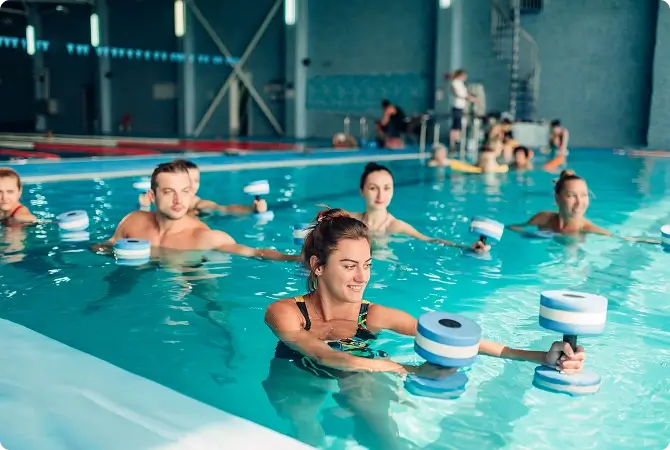
Aquatic therapy is a type of physical therapy treatment that takes place in water, typically in an in-clinic pool. It is also commonly known as hydrotherapy or aquatic rehabilitation. Because water provides natural support and gentle resistance, aquatic therapy can be a helpful option for improving comfort with movement while you recover.
At iMotion Physical Therapy, aquatic therapy is currently offered at our San Jose location.
What is aquatic therapy used for?
Aquatic therapy may be used for a variety of therapy goals, including:
- improving comfort with movement during rehabilitation
- building muscle strength and endurance in a supported environment
- improving coordination and balance
- assisting with locomotion and gait training
- improving flexibility, mobility, and overall conditioning
How does aquatic therapy work?
Aquatic therapy sessions are structured and take place entirely in the water. Most sessions begin with a warm-up using gentle, low-resistance exercises for both the upper and lower extremities. This may include brief walking and light stretching.
From there, exercises may progress into more challenging cardiovascular and core-based activities, such as running, squatting, arm swings, and leg swings.
Exercises are selected and progressed based on your symptoms, goals, and movement quality.
After the session, you may also go through a cool-down. Many clinics include tools such as a massage hose, which can feel similar to a deep tissue massage and help you relax after your workout.
What can I gain from aquatic therapy?
Water’s natural properties create a therapeutic environment that can support movement and recovery. Water-based therapy has also been used for centuries across many cultures.
The ancient Romans and Greeks bathed in hot springs for relaxation and to improve circulation. Hippocrates believed hot springs could heal sickness. Swiss monks were well known to use thermal waters to treat sick people. The Japanese use hot springs to treat skin problems and relieve chronic pain.
Aquatic therapy can help with:
- building muscle strength and endurance
- reducing stress and promoting relaxation
- increasing aerobic capacity for better health
- improving coordination and balance
- improving flexibility and movement
- assisting with locomotion and gait
Aquatic therapy may be added to your current physical therapy plan based on your needs and your therapist’s recommendations.
Why choose aquatic therapy?
Aquatic therapy offers benefits that can be difficult to replicate on land, including:
- Relief: Aquatic therapy can help provide relief for many conditions, including arthritis, chronic pain, lower back pain, orthopedic injuries, sprains, strains, and tendonitis.
- Improved breathing: The respiratory muscles may work harder during aquatic therapy, which can help support improved breathing.
- Relaxation: Aquatic therapy provides a soothing environment for aching muscles and joints.
- Buoyancy: Water’s natural buoyancy reduces the effects of gravity, which can make movement feel easier and less uncomfortable.
- Hydrostatic pressure: Hydrostatic pressure provides support during movement and can help you feel more stable while performing exercises.
- Resistance: Water provides natural resistance that can be used to strengthen muscles and support rehabilitation.
- Wave propagation/turbulence: Wave propagation and turbulence allow your physical therapist to gently manipulate your body during exercises and movement training.
What should I expect during aquatic therapy?
Aquatic therapy is performed in the water using guided exercises selected for your needs and tolerance. Your program may include a warm-up, strengthening and movement activities, and a cool-down depending on your plan of care.
Aquatic therapy is one part of your plan of care
Aquatic therapy is one tool your physical therapist may use to support your recovery, alongside treatments such as:
- mobility and strengthening exercises
- movement training
- patient education
- hands-on therapy (when appropriate)
Your plan is tailored to your needs and designed to help you move better and feel more confident over time.
Frequently Asked Questions
Aquatic therapy is a form of physical therapy performed in water—usually in an in-clinic pool—to support mobility, recovery, and improved comfort with movement.
Many people find aquatic therapy relaxing and supportive, especially because movement in water often feels easier than movement on land.
Yes. At iMotion Physical Therapy, aquatic therapy is currently offered at our San Jose location.


