
 Menu
Menu

Hip
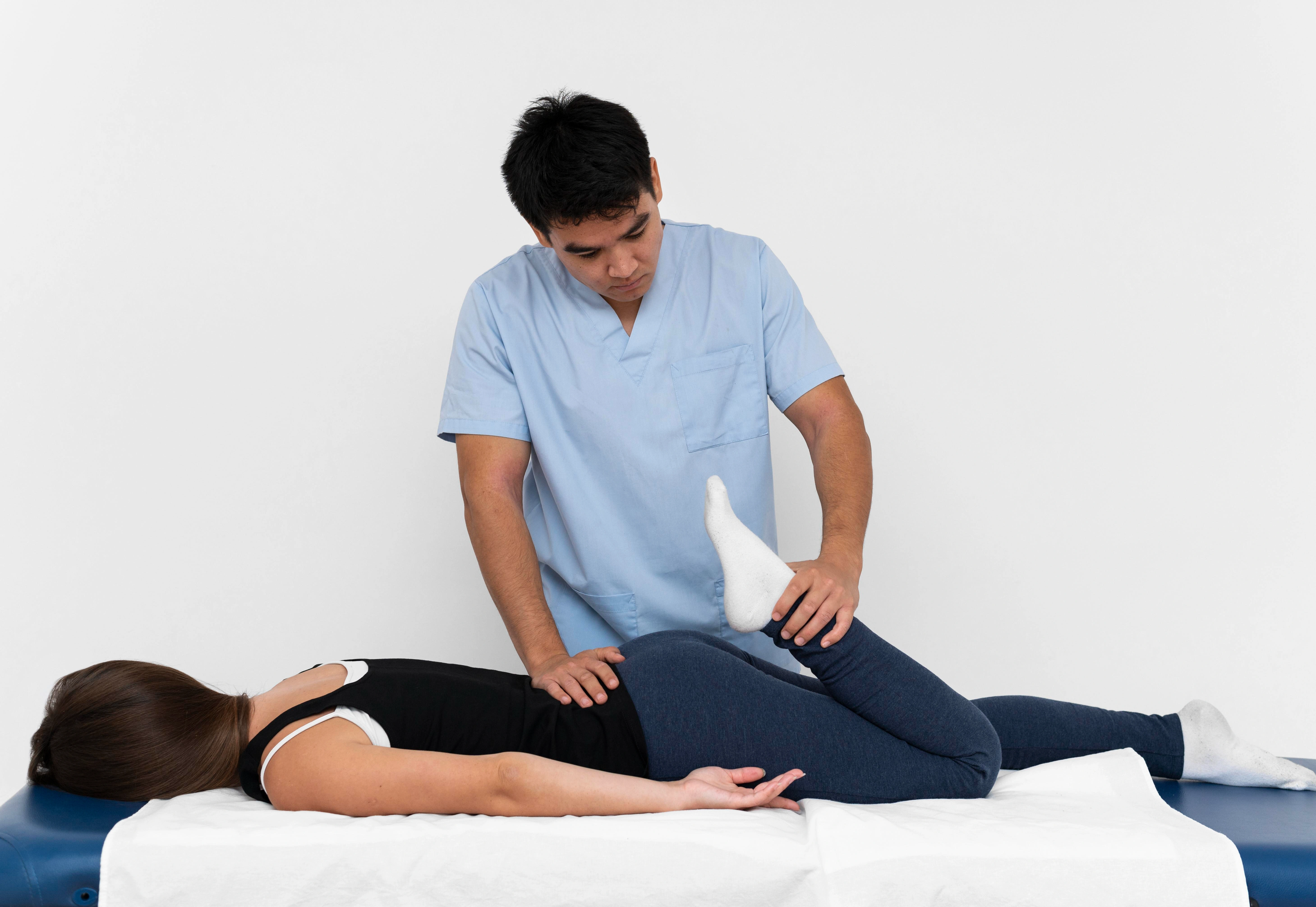
The hip helps connect your upper body to your legs and plays a major role in how you move through the world. Nearly every step you take—walking, standing, sitting, climbing stairs, or getting in and out of a car—relies on the hip working smoothly as part of a larger movement system.
Because the hip works closely with the spine, pelvis, and legs, changes in how it moves can affect comfort, balance, and confidence during daily activities. Even small movement changes can feel noticeable when the hip is involved so often throughout the day.
A Simple Look At How The Hip Works
The hip is one of the body’s largest joints and is designed to support weight while allowing smooth movement.
At a basic level, the hip includes:
- A ball-and-socket joint that lets the leg move forward, backward, and side to side
- Strong muscles around the hip and thigh that support walking, standing, and balance
- Soft tissues that help movements feel smooth and cushioned
- Nearby nerves that help send signals between the leg and the rest of the body
Rather than working alone, the hip functions as part of a connected system with the lower back, pelvis, and legs.
How The Hip Affects Daily Life
When the hip isn’t moving comfortably, everyday tasks can start to feel harder, slower, or more tiring than usual.
People often notice difficulty with:
- Walking for longer distances
- Standing up from a chair or getting out of bed
- Climbing stairs or inclines
- Putting on shoes or socks
- Carrying groceries or standing for longer periods
- Finding a comfortable sleeping position
Symptoms may change throughout the day and often depend on activity level, posture, and movement habits.
What You Might Be Noticing
You don’t need to know exactly what’s causing your symptoms to take the next step. These common experiences can help guide you to more specific information:
- Pain in the hip or upper leg → Hip / Thigh Pain
- Changes in your walking pattern or balance → Difficulty Walking
- Discomfort on the outer side of the hip → Trochanteric Bursitis
- Symptoms that travel into the buttock or down the leg → Sciatica or Piriformis Syndrome
- Soreness after activity, stretching, or sudden movement → Sprains and Strains
Each of these pages goes deeper into what people commonly experience and how physical therapy may help.
How Physical Therapy Can Help
Physical therapy for the hip focuses on improving how the hip works during real-life activities. Care is guided by movement, function, and daily demands rather than by iagnosis alone.
Physical therapy may help support:
- More comfortable hip and leg movement
- Better strength and control during walking and standing
- Improved balance and confidence with daily tasks
- Reduced strain on irritated tissues
- A gradual return to activity
Many hip-related movement issues improve with the right plan and appropriate progression.
Frequently Asked Questions
The hip works closely with nearby joints and muscles. When movement changes in one area, other parts of the system often adjust to compensate.
Yes. Many people notice symptoms vary based on activity level, position, or how much they’ve been moving during the day.
Not always. Many hip concerns are evaluated by looking at movement, function, and how symptoms change with activity.
Yes. Physical therapy focuses on improving movement and daily function, regardless of whether a specific label has been identified.
Explore More Specific Hip Topics
This page is meant to be a starting point. You can explore more detailed information based on what you’re noticing:
Learn More About Physical Therapy
If you’d like more information about what to expect during physical therapy, visit our Patient Resources page.
Get Started
If hip pain, stiffness, or walking changes are affecting your daily life, a physical therapy evaluation can help identify contributing movement factors and guide next steps for care.


