
 Menu
Menu

Temporomandibular Joint Dysfunction (TMD/TMJ)
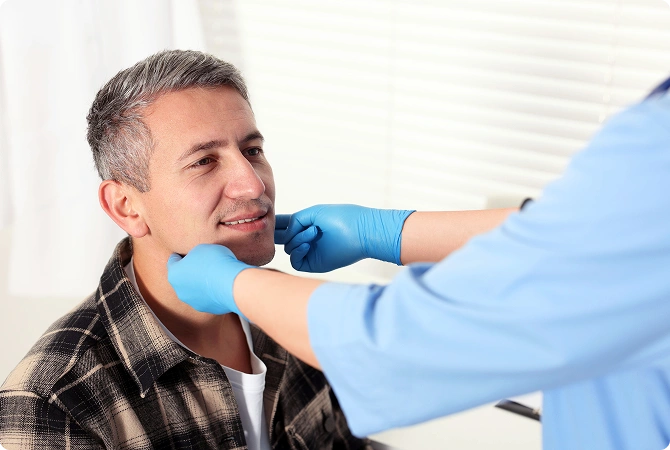
For many people, jaw pain presents with clicking, stiffness, or limited mouth opening. These symptoms may occur alongside headaches, facial pain, or neck discomfort and can change with posture, stress, or activity.
Symptoms may be intermittent or persistent and often develop gradually rather than after a single event. In some cases, discomfort becomes more noticeable during periods of increased stress, prolonged sitting, clenching, or repetitive jaw use.
TMJ / TMD refers to a group of conditions that affect how the jaw joint and surrounding muscles function. Symptoms are commonly influenced by muscle tension, movement patterns, posture, and coordination between the jaw and neck, rather than a single structural issue.
How Physical Therapy Helps
Physical therapy for TMJ / TMD focuses on improving jaw function while addressing contributing factors in the neck and upper body.
Care may include:
- Assessing jaw movement, control, and coordination
- Addressing muscle tension or joint restrictions that may limit motion
- Improving coordination between the jaw and upper cervical spine
- Postural education to reduce unnecessary strain
- Targeted exercises to support everyday activities such as chewing, speaking, and working
Treatment is individualized and emphasizes conservative, non-surgical care.
Common Contributors
TMJ / TMD symptoms are often influenced by more than one factor.
Common contributors include:
- Jaw clenching or teeth grinding
- Muscle tension related to stress
- Prolonged forward head posture or poor workstation setup
- Limited mobility or control in the upper cervical spine
- Repetitive or sustained jaw use
- Previous injury involving the jaw, head, or neck
Over time, these factors can increase strain on the jaw and surrounding structures.
Common Symptoms
TMJ / TMD can present differently from person to person and may fluctuate over time.
Common symptoms include:
- Jaw pain, tightness, or fatigue
- Clicking, popping, or grinding in the jaw
- Difficulty or discomfort with opening the mouth
- Jaw locking or catching
- Headaches, often felt near the temples
- Facial pain or tenderness
- Ear-related symptoms such as pressure, fullness, or ringing
- Neck pain or stiffness associated with jaw movement
Frequently Asked Questions
Jaw clicking without pain or limitation is relatively common. Clicking that occurs with pain, stiffness, or locking may benefit from evaluation.
Yes. Jaw dysfunction can contribute to headaches, facial pain, and ear-related symptoms due to shared muscular and nervous system connections.
Not always. Many cases are related to muscle tension, movement coordination, or how the joint is being loaded rather than joint amage.
In most cases, TMJ / TMD is managed with conservative care. Surgical intervention is rarely the first option.
Learn More About Related Conditions
TMJ / TMD is often discussed alongside Jaw & Upper Cervical Conditions, which explores how jaw and neck function influence one another.
If symptoms began after an injury, related conditions such as whiplash are covered in our Injury & Trauma section.
Learn More About Physical Therapy
If you'd like more information about what to expect during physical therapy, visit our Patient Resources page.
Get Started
If jaw pain, clicking, headaches, or difficulty opening your mouth are affecting your daily life, a physical therapy evaluation can help identify contributing factors and guide appropriate care.


