
 Menu
Menu

Parkinson’s
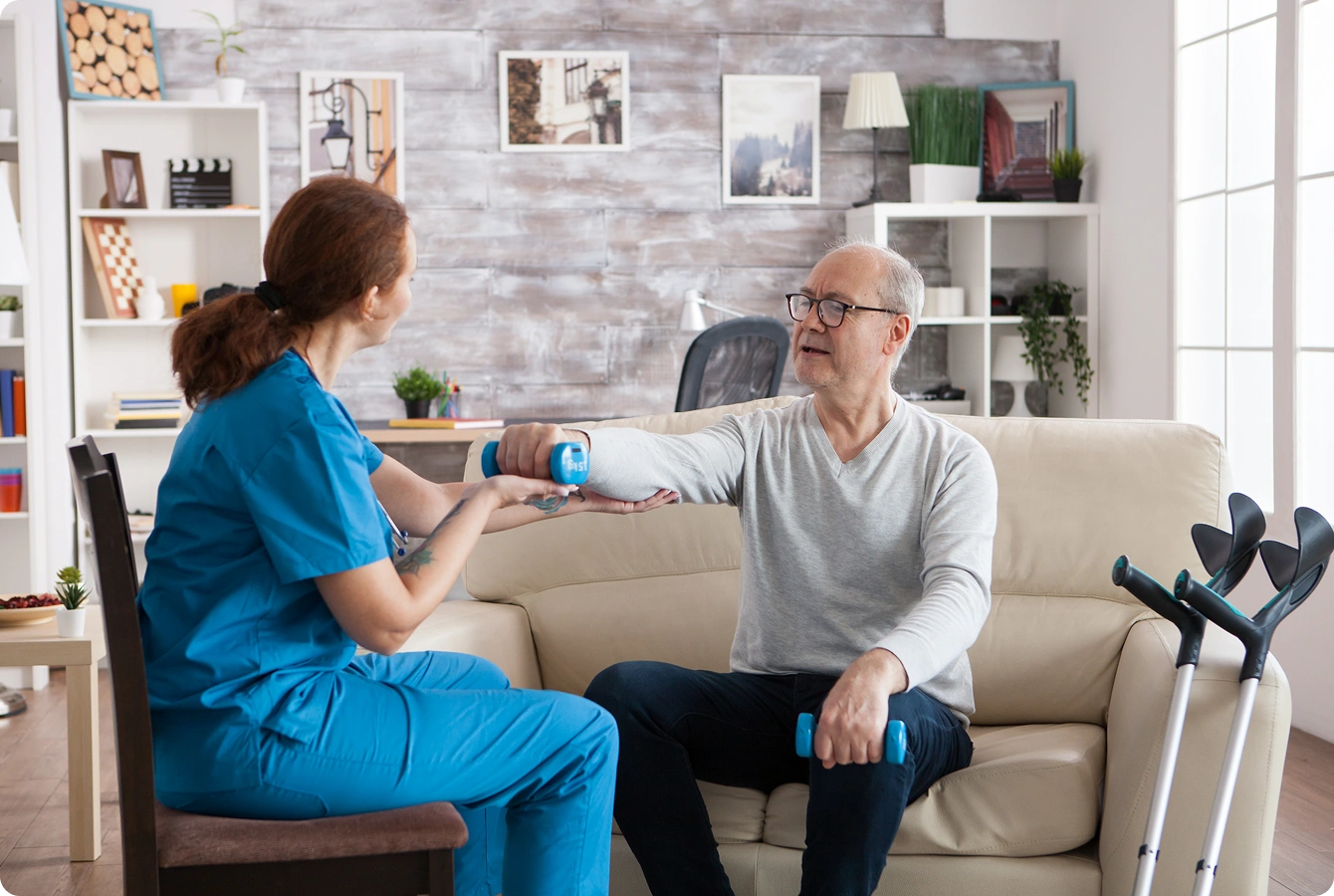
Parkinson’s disease is a progressive neurologic condition that affects how the brain controls movement. Over time, certain nerve cells in the brain are affected, influencing coordination, posture, and the body’s ability to initiate and regulate physical activity.
Many people first notice subtle changes. Movements may feel slower. Steps may become smaller. Arm swing may decrease while walking. Tasks that once felt automatic — getting up from a chair, turning, writing, or walking through a crowded space — may require more focus and intention.
As Parkinson’s progresses, the brain may have more difficulty producing smooth, natural motion without conscious effort. Posture may gradually shift forward, balance may feel less steady, and movements may become smaller unless performed deliberately. This pattern often develops gradually and can influence safety, walking efficiency, and overall confidence during daily activities.
Parkinson’s does not affect everyone in the same way. Symptoms vary widely, and changes may fluctuate throughout the day.
What Happens After a Parkinson’s Diagnosis?
After diagnosis, Parkinson’s care typically focuses on managing symptoms and maintaining mobility over time. Medication may help regulate certain movement patterns, but structured exercise and rehabilitation play an important role in supporting safe, efficient movement.
Parkinson’s care is often collaborative. Physical therapists, occupational therapists, and speech-language pathologists may work together to address mobility, daily function, communication, and swallowing needs as part of a coordinated approach.
An early physical therapy evaluation helps establish a clear picture of how Parkinson’s is currently affecting movement. Beginning targeted exercise early can help reinforce safer, more confident movement patterns before changes become more limiting.
How Physical Therapy For Parkinson’s Helps
Physical therapy for Parkinson’s focuses on maintaining mobility, improving physical control during everyday activities, and helping you stay as active and independent as possible.
Therapy may help by:
- Improving walking pattern, stride length, and arm swing
- Addressing balance changes and reducing fall risk
- Supporting upright posture and trunk mobility
- Improving movement initiation and coordination
- Increasing activity tolerance and endurance
- Practicing strategies to manage freezing episodes
At iMotion, we incorporate Parkinson’s-specific exercise principles, including PWR! (Parkinson Wellness Recovery) strategies when appropriate. PWR!-informed therapy emphasizes practicing larger, more deliberate movements to help counter the tendency toward smaller, slower patterns. These strategies are integrated into everyday tasks such as walking, reaching, turning, and standing.
Care is individualized and adjusted as needs evolve over time. You can learn more about our Parkinson’s-specific approach on our dedicated PWR! page.
Common Features
Over time, certain physical patterns are commonly observed with Parkinson’s, including:
- Slower overall movement speed
- Smaller steps while walking
- Reduced arm swing
- Increased muscle stiffness
- Changes in posture
- Subtle balance changes
- Periods of hesitation or freezing
Symptoms You May Experience
Symptoms associated with Parkinson’s disease may include:
- Tremor, often beginning on one side of the body
- Muscle rigidity or stiffness
- Bradykinesia (slowed movement)
- Changes in walking speed or step size
- Difficulty initiating movement
- Reduced facial expression
- Soft or quieter voice
- Decreased balance or increased fall risk
The type and severity of symptoms differ from person to person.
Related Conditions We Treat
Parkinson’s disease is part of a broader group of neurologic movement conditions that may benefit from physical therapy, including:
Frequently Asked Questions
Yes. Regular, appropriately guided exercise is commonly recommended as part of comprehensive Parkinson’s care. A physical therapist can help determine appropriate type and intensity.
Physical therapy can be beneficial at any stage, whether symptoms are mild or more advanced. Establishing a movement baseline and a proactive exercise plan helps support long-term mobility.
No. Parkinson’s disease is a chronic neurologic condition. Physical therapy focuses on supporting mobility, safety, and independence rather than curing the condition.
Parkinson’s affects how the brain signals the body to move. Over time, internal cues for larger, fluid movements weaken, leading to smaller steps and reduced arm swing. Practicing intentional, larger movements can help counter this.
Yes. Parkinson’s may influence voice volume, speech clarity, or swallowing. Speech-language pathology may be recommended as part of coordinated care.
PWR! (Parkinson Wellness Recovery) is a Parkinson’s-specific exercise approach that emphasizes large, intentional movements and functional training strategies tailored to movement patterns commonly seen with Parkinson’s disease.
Learn More About Physical Therapy
If you’d like more information about what to expect during physical therapy, visit our Patient Resources page.
Get Started
If Parkinson’s-related movement changes are affecting your walking, balance, or aily routines, a physical therapy evaluation can help determine appropriate next steps for care.


