
 Menu
Menu

Scoliosis
Scoliosis is a condition where the spine curves sideways instead of remaining straight. When viewed from behind, the spine may form a C-shaped or S-shaped curve rather than a vertical line.
Some people are diagnosed with scoliosis during adolescence through routine screenings or checkups. Others don't realize they have scoliosis until adulthood, when they begin to notice ongoing back pain, muscle tightness, uneven posture, or reduced tolerance for sitting or standing.
Because scoliosis affects spinal alignment, its impact often becomes more noticeable over time—especially in adulthood.
How Physical Therapy Can Help
Because scoliosis influences how the spine and surrounding muscles work together, physical therapy often plays an important role in managing symptoms and supporting long-term function.
Physical therapy may be used on its own or alongside medical monitoring, bracing, or surgical care when appropriate. Treatment decisions are guided by factors such as the type and severity of scoliosis, age, and established clinical guidelines, with physical therapists working closely with medical providers as part of a coordinated care approach when medical oversight is needed.
Physical therapy for scoliosis may include:
- Education: Learning how scoliosis affects posture and movement, along with practical strategies to manage symptoms during daily activities.
- Range-of-motion exercises: Exercises designed to improve or maintain spinal and joint mobility when stiffness or restriction is present.
- Strength training: Targeted strengthening of the muscles that support the spine and help address imbalances involving the hips, shoulders, and trunk.
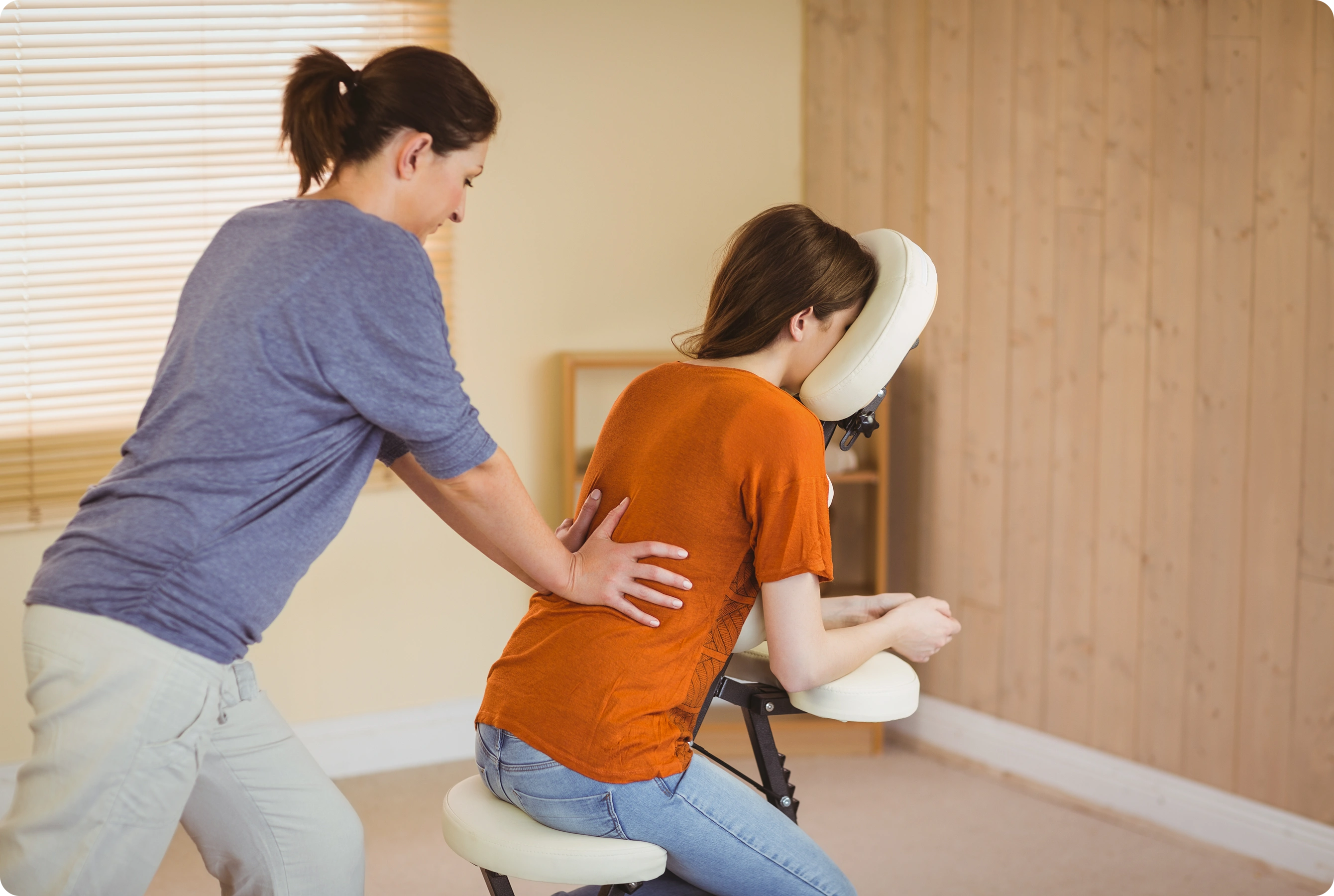
- Manual therapy: Hands-on techniques to help restore motion in joints and soft tissues and promote more efficient movement patterns.
- Modalities: Treatments such as heat, ice, electrical stimulation, or ultrasound may be used when appropriate to support therapy goals.
- Functional training: Retraining movement patterns to improve posture, coordination, and efficiency during everyday tasks and exercise.
For adults with scoliosis, physical therapy focuses on reducing pain, improving function, and supporting long-term spine health, rather than attempting to change the curve itself.
Common Contributors
Scoliosis can develop or progress for different reasons, and the underlying contributors are not always clear.
Common contributors include idiopathic scoliosis with no identifiable cause, congenital spinal differences present at birth, neuromuscular conditions that affect muscle control, and degenerative changes in the spine related to aging, such as disc degeneration or arthritis.
In adults, scoliosis may represent a curve that existed earlier in life or one that develops gradually as spinal structures change over time.
Symptoms
As a result, symptoms often relate less to the curve itself and more to how the body adapts around it.
Common symptoms may include:
- Uneven shoulders, hips, or waist
- One shoulder blade appearing more prominent
- Back, neck, or hip pain
- Muscle tightness or fatigue, often more noticeable on one side
- Pain with prolonged sitting, standing, or walking
- Reduced spinal mobility or endurance
While scoliosis does not always cause pain, adults are more likely to experience symptoms related to mechanical stress, muscle imbalance, and joint stiffness.
Frequently Asked Questions
Scoliosis is diagnosed when the spine has a sideways curve of 10 degrees or more, measured on an X-ray using the Cobb angle. Many people first suspect scoliosis after noticing posture changes or ongoing back pain.
Yes. While scoliosis does not always cause pain, many adults with scoliosis experience back pain related to muscle imbalance, joint stress, and degenerative changes in the spine.
It can. In adults, scoliosis may progress gradually over time, particularly when associated with disc degeneration or arthritis.
When appropriately guided, physical therapy and exercise are considered safe and beneficial for people with scoliosis. A tailored program supports movement, strength, and function without placing unnecessary stress on the spine.
Learn More About Related Conditions
Scoliosis often overlaps with other spine and movement-related conditions, including:
Learn More About Physical Therapy
Physical therapy focuses on improving movement, reducing pain, and helping people stay active and independent.
To learn more about what to expect from physical therapy, visit our Patient Resources page.
Get Started
If you're experiencing persistent back pain, posture changes, or difficulty with daily activities, physical therapy can help you better understand how scoliosis may be affecting your movement.
Schedule an evaluation to learn more about your options and develop a plan tailored to your goals.


