
 Menu
Menu

Chronic Pain
Chronic pain is pain that lasts longer than expected—typically three months or more. Unlike acute pain, which improves as tissues heal, chronic pain may continue even after the original injury or illness has resolved.
For many people, this is the most confusing part. You may hear that imaging looks normal. You may be told healing has occurred. And yet the pain is still there. Some days feel manageable; others do not. Pain may come and go, shift locations, or feel stronger than it seems it should.
This does not always mean damage is ongoing. Instead, the body’s pain system may remain more sensitive than before. When this happens, movement that once felt neutral may now feel uncomfortable or threatening. Chronic pain is real. It is common. And it can influence more than just the area where it first started.
Why Does Chronic Pain Develop?
Persistent pain often reflects multiple contributing factors rather than one single cause.
- Medical Conditions: Conditions such as arthritis, fibromyalgia, neuropathy, or autoimmune disorders may contribute to ongoing pain patterns.
- Surgery: Surgery can address structural issues, but recovery sometimes involves compensatory movement patterns. Over time, these changes may contribute to lingering discomfort if not addressed.
- Accidents: Motor vehicle accidents, workplace injuries, or falls may trigger pain that continues beyond the initial healing phase.
- Repetitive or Overuse Strain: Daily activities—lifting, sitting, standing, typing, or repetitive motion—can gradually stress tissues. Without adequate recovery or balanced strength, irritation may become persistent.
Chronic pain rarely has a single explanation. It often reflects how the body has adapted over time to stress, movement changes, or past injury.
How Chronic Pain Affects Movement And Daily Life
When pain persists, it often begins to influence behavior. You may find yourself:
- Avoiding certain movements
- Bracing or guarding muscles
- Limiting activity to prevent flare-ups
- Planning your day around discomfort
Over time, reduced movement can affect strength, flexibility, endurance, and confidence. Pain may also influence sleep, energy levels, and overall participation in work or hobbies. Because chronic pain fluctuates, some days feel manageable while others feel more limiting.
How Physical Therapy Can Help
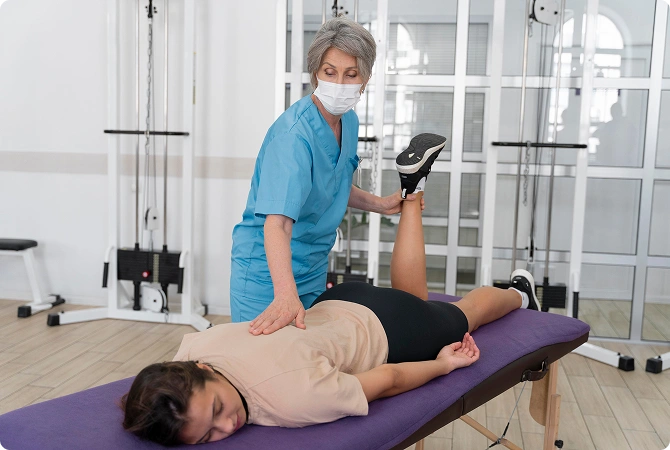
Physical therapy for chronic pain focuses on restoring movement confidence and improving activity tolerance. Care may include guided movement, gentle strengthening, and education about how pain responds to activity. The emphasis is on helping you move more consistently and with less fear of flare-ups.
For a detailed explanation of our structured progression approach, visit our Chronic Pain Management Program page.
Common Features Of Chronic Pain
These describe patterns often seen with persistent pain. Common features may include:
- Pain lasting three months or longer
- Symptoms that fluctuate
- Increased sensitivity to activity
- Pain that spreads or shifts locations
- Heightened muscle tension
These patterns describe how chronic pain often presents. They do not automatically mean new injury or ongoing damage.
Symptoms You May Experience
People with chronic pain may notice:
- Aching, burning, or throbbing sensations
- Stiffness
- Fatigue
- Reduced activity tolerance
- Sleep disruption
- Emotional strain related to ongoing discomfort
Symptoms vary widely. No two experiences are identical.
Frequently Asked Questions
Sometimes the body remains sensitive to pain signals even after tissues have recovered.
No. Chronic pain is a real physical experience involving both the body and nervous system.
Yes. Physical therapy approaches vary. Some programs focus more on gradual activity progression and helping you move in ways that feel safer and more manageable.
Treatment plans vary. Physical therapy focuses on movement and functional improvement.
Many people find that structured movement and supportive care improve comfort and daily function over time.
Related Conditions
You may also want to explore:
These pages explore conditions that may overlap with persistent pain experiences.
Learn More About Physical Therapy
If you’d like more information about what to expect during physical therapy, visit our Patient Resources page.
Get Started
If chronic pain is affecting your daily life, a physical therapy evaluation may help identify movement patterns, contributing factors, and next steps for care.


