
 Menu
Menu

Rotator Cuff Injuries
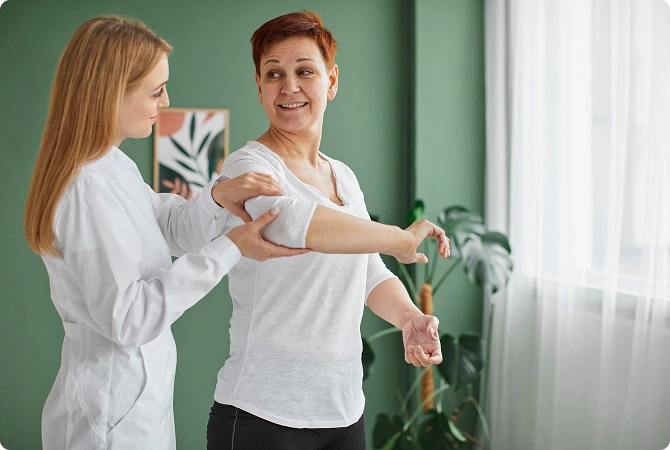
Rotator cuff injuries involve damage to one or more of the rotator cuff tendons that help lift, rotate, and stabilize the shoulder. These injuries are commonly referred to as rotator cuff tears and may be partial-thickness (the tendon is damaged but not fully torn) or full-thickness (the tendon is completely torn).
A torn rotator cuff may occur suddenly after a fall, heavy lift, or traumatic event, or it may develop gradually as tendon tissue weakens over time. Many people do not recall a single injury and instead notice increasing pain, weakness, or difficulty using the arm during everyday activities.
Unlike general rotator cuff pain, rotator cuff injuries involve structural changes to the tendon, which can affect shoulder strength, endurance, and control.
This page is for people experiencing ongoing shoulder pain, weakness, or loss of function, especially when symptoms began after an injury or have gradually worsened over time.
How Physical Therapy Helps Rotator Cuff Injuries
Physical therapy for rotator cuff injuries focuses on restoring shoulder function by improving strength, coordination, and movement efficiency—whether or not surgery is part of the treatment plan.
Care may include:
- Evaluation of shoulder motion, strength, and functional limitations
- Exercises to restore range of motion while protecting injured tissue
- Progressive strengthening of remaining rotator cuff fibers and supporting muscles
- Scapular (shoulder blade) stability and control training
- Gradual return to daily activities, work tasks, or recreational demands
Many people with rotator cuff tears experience meaningful improvements in pain and function with non-surgical care. Physical therapy is also commonly used before and after surgery to support recovery and long-term shoulder health.
Common Contributors To Rotator Cuff Injuries
Rotator cuff injuries are often influenced by both tendon health and the demands placed on the shoulder over time.
Common contributors may include:
- Age-related tendon degeneration
- Repetitive or overhead shoulder use
- Sudden traumatic events, such as falls or lifting injuries
- Reduced shoulder strength or endurance
- Poor shoulder or shoulder blade mechanics
- Previous shoulder injuries
When these factors affect tendon integrity, symptoms often become more noticeable during aily movement and activity.
Symptoms You May Experience
People with rotator cuff injuries may experience:
- Persistent shoulder pain, especially with movement
- Weakness when lifting or rotating the arm
- Difficulty raising the arm overhead or away from the body
- Pain that interferes with sleep, particularly when lying on the affected side
- Reduced endurance or control during daily tasks
- A sensation that the arm feels unstable or may “give out”
Symptoms vary depending on tear size, activity demands, and individual shoulder use.
Rotator Cuff Injury Conditions We Treat
Rotator cuff injuries may exist alongside other shoulder conditions. If your symptoms align more closely with one of the conditions below, you may find additional information helpful on those pages.
Frequently Asked Questions
In most cases, yes. A rotator cuff injury commonly refers to a tear, which may be partial or full thickness. Some injuries involve tendon damage without complete tearing.
The seriousness of a rotator cuff tear depends on factors such as tear size, symptoms, strength loss, and how much it affects daily activities. Many tears are managed successfully with conservative care, while others may require additional medical input. A physical therapy evaluation can help determine appropriate next steps.
No. Many people with rotator cuff tears improve with conservative care such as physical therapy. Surgery may be considered based on tear severity, functional limitations, activity demands, and response to non-surgical treatment.
Once torn, a tendon does not typically reattach on its own. However, many people regain strength, reduce pain, and return to activity with physical therapy even if the tear remains.
Yes. Physical therapy is commonly recommended both before and after surgery to improve outcomes and support recovery.
Learn More About Physical Therapy
If you’d like more information about what to expect during physical therapy, visit our Patient Resources page.
Get Started
If shoulder weakness, pain, or difficulty using your arm is limiting your daily activities, a physical therapy evaluation can help determine appropriate next steps for care.


