
 Menu
Menu

Tendonitis
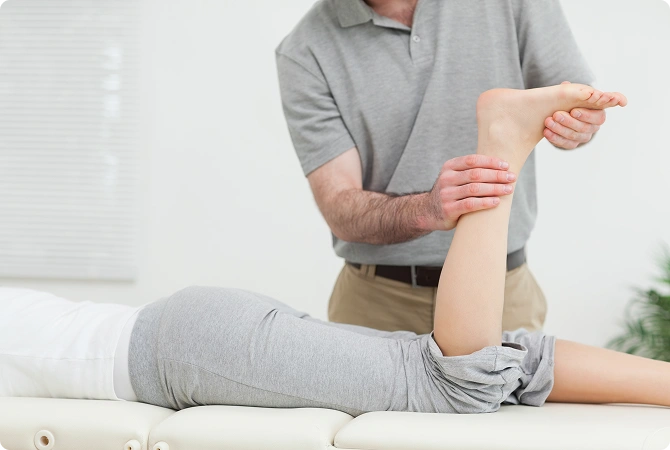
Knee tendonitis is a condition that affects how the knee responds to repeated movement and daily activity. Many people notice discomfort during tasks like walking, climbing stairs, squatting, or returning to movement after rest. For some, symptoms build gradually over time. For others, they appear after changes in activity level, routine, or movement demands.
Tendons play an important role in movement by connecting muscles to bone and helping transfer force through the knee. When a tendon becomes irritated or sensitive, it may respond differently to load and repetition. Knee tendonitis often reflects how the tendon is handling ongoing movement rather than a single event, and symptoms may vary from day to day depending on activity, rest, and how the knee is being used.
How Knee Tendonitis Can Affect Movement And Daily Life
Because tendons help manage and absorb force, knee tendonitis often becomes noticeable uring movements that place higher demands on the knee.
People commonly notice:
- Discomfort with stairs, squatting, or rising from a chair
- Sensitivity during or after repeated activity
- Stiffness when beginning movement after rest
- Changes in how smooth, strong, or confident knee movement feels
Some people begin to adjust how they move—such as limiting certain activities or avoiding specific positions—to stay comfortable. Over time, these adaptations can influence overall movement patterns and activity levels.
How Physical Therapy Can Help
Physical therapy for knee tendonitis focuses on how the knee and surrounding muscles work together during everyday movement. Care often looks at how the tendon responds to activity, how forces are distributed through the leg, and how movement habits may influence symptoms.
A physical therapist may assess strength, flexibility, coordination, and movement patterns to help support more comfortable and efficient movement. Care is guided by how knee tendonitis shows up in your daily life and which activities matter most to you.
Common Features Of Knee Tendonitis
These are movement-related patterns, not diagnostic criteria. Not everyone experiences all of these, and they can change over time.
Common features of knee tendonitis may include:
- Pain that increases with activity and eases with rest
- Sensitivity during repeated or loaded movements
- Stiffness when starting activity
- Symptoms that fluctuate based on daily demands
These features often reflect how the tendon is responding to load rather than a single structural problem.
Knee Tendonitis Symptoms You May Experience
Knee tendonitis symptoms can feel different from person to person. You may notice:
- Aching or localized discomfort near the knee
- Sharp or sore sensations during specific movements
- Stiffness after sitting or inactivity
- Discomfort during or after exercise or daily tasks
- A feeling that the knee is more sensitive to use
Symptoms may overlap with knee pain, but tendon-related discomfort often has a strong relationship to activity and repetition.
Frequently Asked Questions
Knee tendonitis is one possible source of knee discomfort. While knee pain can have many contributors, tendonitis often relates to how a tendon responds to repeated movement or load.
Tendons help manage force during movement. When a tendon is irritated, certain activities may feel more demanding, especially if movement patterns or activity levels have changed.
Knee tendonitis symptoms often vary with activity level, rest, and daily movement demands. Fluctuation is common.
Physical therapy can support movement quality and comfort even when knee tendonitis feels mild, inconsistent, or activity-related.
Related Conditions
Some people with knee tendonitis also explore information related to:
These pages focus on different movement experiences that may overlap but have distinct patterns.
Learn More About Physical Therapy
If you’d like more information about what to expect during physical therapy, visit our Patient Resources page.
Get Started
If you’re experiencing knee tendonitis and it’s affecting your daily life, a physical therapy evaluation may help identify movement patterns, contributing factors, and next steps for care.


