
 Menu
Menu

Work-Related Injuries
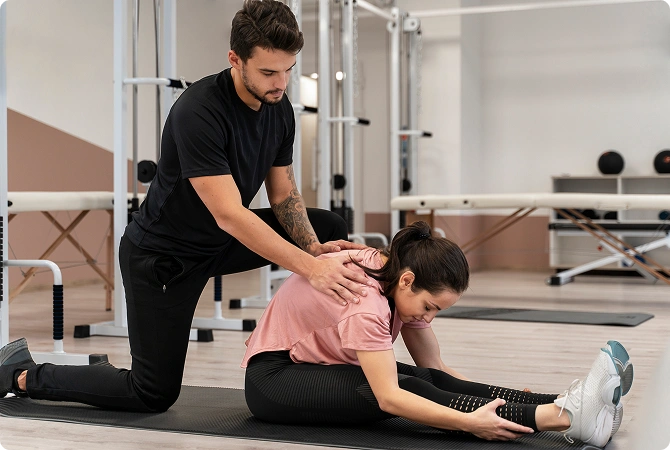
A work-related injury refers to pain, strain, or physical limitation that develops while performing job duties. Some people notice symptoms suddenly after a slip, fall, or on-the-job accident. Others notice changes more gradually from repetitive tasks, prolonged positions, or repeated lifting.
Work injuries are not limited to physically demanding jobs. Construction workers, nurses, delivery drivers, and mechanics may experience strain from lifting or sustained physical effort. Office workers may develop discomfort from prolonged sitting, typing, or repeated hand use. Any job that places repeated stress on the body can contribute to symptoms that affect movement and daily life.
What Causes Work Injuries?
Many work injuries are related to how the body responds to repeated load and stress over time. Common contributors include:
- Repetitive motions (typing, scanning, gripping, assembly line tasks)
- Lifting, pushing, pulling, or carrying
- Prolonged sitting or standing
- Awkward, sustained, or repetitive postures
- Slips, trips, or falls
- Motor vehicle accidents while working
Symptoms may vary by day, depending on workload, recovery time, and how your body is moving through tasks.
How Work-Related Injuries Affect Movement And Daily Life
When pain or stiffness starts at work, it often spills into home life too. People often notice:
- Discomfort with prolonged sitting or standing
- Pain with lifting, bending, or twisting
- Difficulty reaching, gripping, or typing
- Reduced endurance across a shift
- Needing more breaks than usual
- Feeling less confident with movement, especially under load
Sometimes the body adapts by “guarding” or moving differently to protect a sensitive area. That can be helpful in the short term, but it may also increase strain elsewhere over time.
How Physical Therapy For Work Injuries Can Help
Physical therapy for work injuries focuses on improving how you move, building capacity for job demands, and supporting your return to daily routines with more comfort and confidence.
A physical therapy evaluation may include:
- Reviewing your job tasks and physical demands
- Assessing movement patterns, strength, and mobility
- Identifying contributing factors that may be increasing strain
Your plan may include:
- Mobility work to improve comfortable range of motion
- Strength and endurance training for job-specific demands
- Gradual load progression (building tolerance safely over time)
- Movement retraining for lifting, reaching, and repetitive tasks
- Strategies for pacing, recovery, and positioning during the workday
Care is individualized and based on how your body responds—not a one-size-fits-all approach.
Common Types Of Work-Related Injuries
Work-related symptoms can show up in many areas of the body. Common categories include:
- Back pain (lifting strain, prolonged sitting, repeated bending)
- Neck and shoulder strain (sustained posture, repetitive reaching)
- Carpal tunnel syndrome (repetitive gripping or typing-related strain)
- Tendonitis / tendinitis (overuse-related irritation)
- Sprains and strains (sudden stress, awkward movement, overexertion)
- Injuries related to on-the-job motor vehicle accidents
Each of these topics has its own page with more detail on movement impact and physical therapy support.
Symptoms You May Experience
Symptoms can be variable and overlapping. People often describe:
- Aching, soreness, or stiffness
- Sharp discomfort with specific movements
- Reduced strength or endurance
- Tingling or sensitivity with repetitive tasks
- Swelling or heaviness after longer workdays
Symptoms may change based on position, workload, pace, and rest.
Frequently Asked Questions
Work-related injuries often develop from repeated stress on the body—like lifting, repetitive motion, prolonged posture, or awkward positions. Sometimes symptoms begin after a single event, but many develop gradually as work demands exceed what the body can comfortably tolerate.
Pain often increases as physical load accumulates throughout a shift. Repeated movement, sustained positions, and limited recovery time can increase sensitivity in muscles and joints, especially if the same area is stressed repeatedly.
Physical therapy may help by improving movement patterns, strength, mobility, and tolerance to job demands. Treatment is based on your symptoms, your work tasks, and what movements appear to be contributing.
Overuse injuries often build gradually and may feel worse with repetition or longer shifts. Sudden injuries are more likely to begin after a specific moment, such as a fall, awkward lift, or collision. A physical therapy evaluation can help identify movement patterns and contributing factors, even when symptoms don’t fit neatly into one category.
Many people benefit from adjusting activity rather than stopping everything. Complete rest can sometimes make the body feel stiffer or less tolerant when returning to activity. A physical therapist can help you find a safe balance between movement, recovery, and gradual reloading—based on how your symptoms respond.
If symptoms are interfering with sleep, work duties, or everyday activities—or if they continue to persist despite rest and simple activity changes—a physical therapy evaluation may help clarify contributing movement factors and next steps.
Related Conditions
You may also want to explore:
Learn More About Physical Therapy
If you’d like more information about what to expect during physical therapy, visit our Patient Resources page.
Get Started
If work-related injuries are affecting your daily life, a physical therapy evaluation may help identify movement patterns, contributing factors, and next steps for care.


