
 Menu
Menu

Compression Fractures
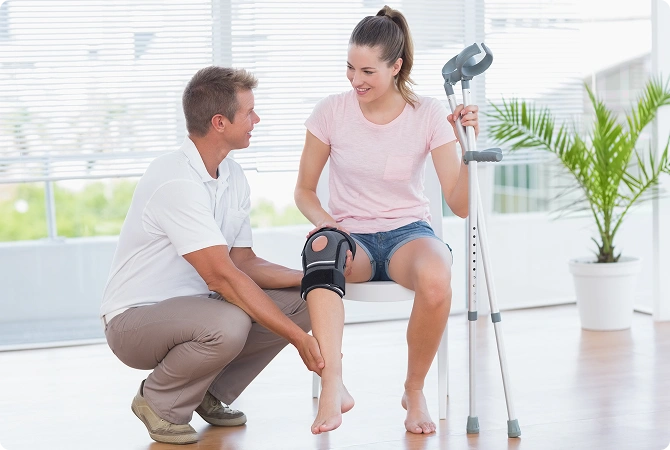
A compression fracture is a type of spinal fracture that occurs when one of the vertebrae partially collapses or becomes compressed. Compression fractures can occur anywhere along the spine, but they most commonly affect the thoracic (upper back) and lumbar (lower back) regions, where the spine bears more weight.
Compression fractures may happen suddenly after a fall, accident, or other traumatic injury. They are also commonly associated with osteoporosis, a condition that weakens bones and makes them more vulnerable to fracture, sometimes with minimal force. Some people experience immediate back pain, while others notice symptoms that worsen gradually with standing, walking, or daily movement.
When compression fractures affect posture, mobility, or the ability to stay active, they can feel both concerning and disruptive. Physical therapy plays an important role in helping people move safely, rebuild strength, and regain confidence during recovery when appropriate.
How Physical Therapy Helps
Physical therapy for compression fractures focuses on helping people return to movement safely while supporting the healing process.
Care is coordinated with medical guidance and takes into account fracture stability, stage of healing, and individual tolerance to activity. While physical therapy does not treat the fracture itself, it helps address common challenges that occur during recovery, such as stiffness, muscle weakness, balance changes, and fear of movement.
Depending on the stage of healing, physical therapy may help:
- Improve posture and spinal support during sitting, standing, and walking
- Rebuild strength in the muscles that support the spine
- Improve balance and reduce fall risk
- Teach safe movement strategies for daily activities
- Support a gradual return to activity without overloading the spine
Physical therapy is introduced when movement is considered safe and appropriate, based on medical recommendations.
Common Contributors
Compression fractures are often influenced by both injury-related factors and underlying bone health.
Common contributors include:
- Falls or traumatic injury: A sudden impact or force to the spine can cause a vertebra to fracture.
- Osteoporosis or low bone density: Weakened bones are more likely to fracture, sometimes during routine activities such as bending or lifting.
- Age-related bone changes: Bone density naturally decreases with age, increasing fracture risk for some individuals.
- Repetitive spinal stress when bone strength is reduced: Daily movements may contribute to symptoms when bone health is compromised.
Common Symptoms
Symptoms of a compression fracture can vary depending on location and severity.
Common symptoms include:
- Mid-back or low-back pain that may start suddenly or gradually
- Back pain that worsens with standing, walking, or prolonged upright posture
- Pain that improves when lying down or resting
- Difficulty standing or walking for long periods
- Muscle fatigue or aching in the back
- Height loss or a more rounded upper-back posture over time
Some people have mild symptoms at first, while others experience more noticeable pain or difficulty staying active.
Frequently Asked Questions
Compression fractures often cause deep, aching back pain that worsens with activity or standing. Pain is commonly felt in the mid or lower back and may improve with rest.
Many people can walk with a compression fracture, though activity may be limited or uncomfortable. Movement is often encouraged at certain stages of healing and is guided by medical and physical therapy recommendations.
No. Compression fractures can occur after trauma such as a fall or accident. However, osteoporosis significantly increases the risk, especially with minimal force.
Recovery timelines vary. Many people notice improvement over a few months, while others benefit from longer-term rehabilitation Depending on bone health, fracture severity, and overall activity level.
Yes. Physical therapy helps improve posture, strength, balance, and confidence with movement during recovery and supports long-term spinal health.
Learn More About Related Conditions
Compression fractures are often discussed alongside other spine- and bone-health-related topics.
You may also find it helpful to learn more about:
- Injury & Trauma, which provides general context for spinal injuries.
- Back Pain, which explores non-fracture causes of spinal pain.
- Osteoporosis, which explains how reduced bone density can increase fracture risk.
Learn More About Physical Therapy
If you’d like more information about what to expect during physical therapy, visit our Patient Resources page.
Get Started
If back pain, posture changes, or difficulty staying active after a compression fracture are affecting your daily life, a physical therapy evaluation can help determine appropriate next steps for care in coordination with your medical team.


