
 Menu
Menu

Bursitis
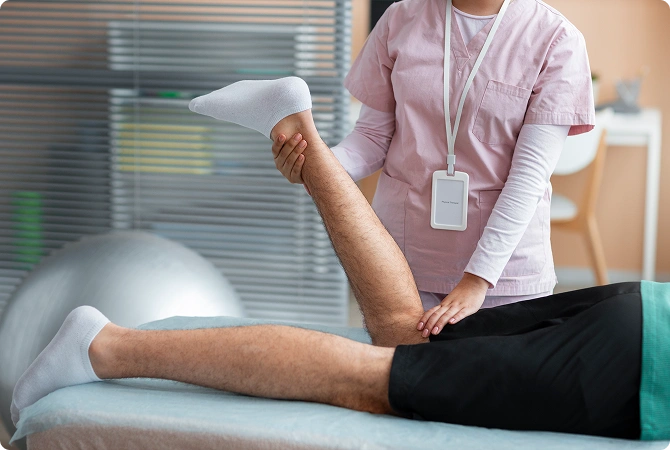
Knee bursitis is a condition that involves irritation of one of the small, fluid-filled cushions near the knee that help reduce friction during movement and when pressure is placed on the joint. Many people notice localized discomfort, tenderness, or swelling around the knee—often near the front or sides—especially during activities that involve kneeling, leaning on the knee, or holding certain positions for longer periods.
Bursae act as protective pads between skin, muscles, tendons, and bone. When a bursa becomes irritated, it can become more sensitive to pressure or repeated contact. Because some bursae sit close to the surface of the knee, knee bursitis often feels different from other knee conditions. Symptoms are commonly position-dependent and linked to how the knee is contacted or supported during daily activities rather than to movement alone. Symptoms may develop gradually or become noticeable after changes in routine, work demands, or daily habits, and they often vary from day to day.
How Knee Bursitis Can Affect Movement And Daily Life
Although knee bursitis doesn’t always limit how far the knee can move, it can affect how comfortable certain positions and transitions feel.
People often notice knee bursitis affects:
- Comfort with kneeling or placing direct pressure on the knee
- Getting up from the floor or low surfaces
- Sensitivity or swelling that makes certain positions uncomfortable
To stay comfortable, many people begin avoiding kneeling or floor-based activities. Over time, these adjustments can subtly influence movement habits and daily routines.
How Physical Therapy Can Help
Physical therapy for knee bursitis focuses on supporting comfortable movement while reducing irritation to the affected area. Care often looks at how pressure is placed on the knee during daily activities and how movement habits, positioning, or work demands may be influencing symptoms.
A physical therapist may assess movement patterns, strength, flexibility, and how the knee is loaded during tasks such as kneeling, standing, or walking. Care is guided by how knee bursitis shows up in your daily life and which activities matter most to you.
Common Features Of Knee Bursitis
These are movement-related patterns, not diagnostic criteria. Not everyone experiences all of these, and features may change over time.
Common features of knee bursitis may include:
- Localized swelling near the knee
- Tenderness with direct pressure or contact
- Discomfort that increases with kneeling or prolonged positioning
- Sensitivity in specific positions
- Symptoms that fluctuate based on daily activity
These features often reflect localized irritation rather than deeper joint involvement.
Knee Bursitis Symptoms You May Experience
Knee bursitis symptoms can feel different from person to person. You may notice:
- Swelling at the front of the knee or around a specific area
- Aching or tenderness when the knee is touched or leaned on
- Discomfort when kneeling or resting the knee on firm surfaces
- Stiffness or tightness with movement
Symptoms may overlap with knee pain, but bursitis-related discomfort is often more localized and strongly linked to pressure or positioning.
Frequently Asked Questions
People often ask what causes knee bursitis, but symptoms don’t always have a single explanation. Many people notice symptoms related to repeated pressure, positioning habits, or how the knee is used during daily activities.
While both can cause knee discomfort, knee bursitis is often more sensitive to pressure and positioning, whereas knee tendonitis is more closely linked to discomfort with movement or load.
Bursitis affects cushioning near the knee rather than the joint itself. Swelling may be noticeable even when knee movement feels relatively comfortable.
Yes. Physical therapy can help address movement habits, positioning, and activity patterns that influence symptoms, even when discomfort feels mild or position-specific.
Related Conditions
Some people with knee bursitis also explore information related to:
These pages focus on different movement experiences that may overlap but have distinct patterns.
Learn More About Physical Therapy
If you’d like more information about what to expect during physical therapy, visit our Patient Resources page.
Get Started
If you’re experiencing knee bursitis and it’s affecting your daily life, a physical therapy evaluation may help identify movement patterns, contributing factors, and next steps for care.


