
 Menu
Menu

Trochanteric Bursitis
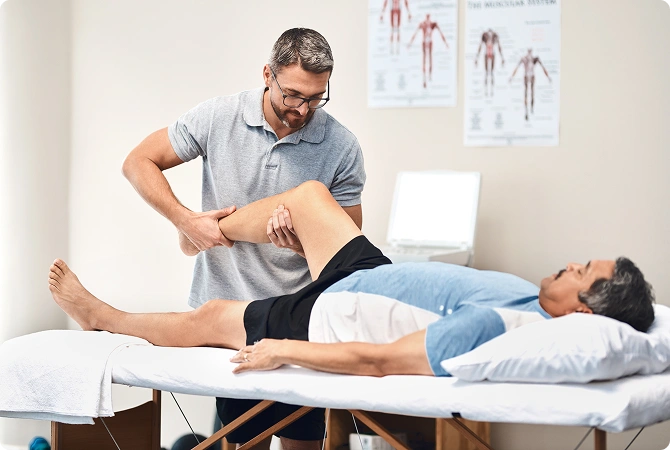
Trochanteric bursitis is a term commonly used to describe pain on the outside of the hip. People often notice soreness, tenderness, or sharp discomfort along the side of the hip, especially during walking, standing, or when lying on that side at night. For some, the pain stays localized. For others, it may spread slightly down the outer thigh.
Like several hip-related conditions, trochanteric bursitis is best understood as a pattern of symptoms rather than a single clear problem. People can experience similar outer hip pain for different reasons, which is why care is usually guided by how symptoms respond to movement, activity, and positioning—not by one specific test or label.
How Trochanteric Bursitis Can Affect Movement And Daily Life
Because the hip plays a major role in weight-bearing, pain along the outside of the hip can quickly interfere with everyday activities.
People commonly notice difficulty with:
- Pain on the outside of the hip when walking, especially longer distances
- Standing for extended periods
- Going up or down stairs or hills
- Getting up from a chair or out of a car
- Standing on one leg, even briefly
- Hip pain when sleeping on your side, particularly the affected side
Many people notice symptoms worsen with repeated use or pressure and improve when they adjust positions, pacing, or activity levels.
How Physical Therapy Can Help
Physical therapy for trochanteric bursitis focuses on how the hip manages load during walking, standing, stairs, and daily movement. Rather than isolating one structure, care looks at how strength, control, and movement patterns influence stress on the outer hip.
Physical therapy may help by:
- Improving hip strength and control during weight-bearing
- Addressing movement habits that repeatedly stress the outer hip
- Supporting balance and stability with walking and stairs
- Reducing irritation from prolonged or repeated positions
- Helping you find more comfortable strategies for sleep and daily activities
Care is individualized and adjusted based on what tends to trigger symptoms and how the hip responds over time.
Common Features Of Trochanteric Bursitis
Although experiences vary, trochanteric bursitis symptoms often follow recognizable outer-hip-specific patterns.
People may notice:
- Pain clearly located on the side of the hip, rather than deep in the groin or centered in the low back
- Tenderness when pressing on the outer hip
- Symptoms that worsen with prolonged walking, stairs, or standing on one leg
- Discomfort when lying directly on the affected side
- Symptoms that fluctuate depending on activity, footwear, and daily routine
These features help distinguish outer hip pain from nerve-related or joint-centered conditions without requiring diagnostic certainty.
Symptoms You May Experience
People experiencing trochanteric bursitis pain may describe:
- Outer hip pain that feels sore, sharp, or tender
- Pain that may spread slightly into the outer thigh
- Discomfort during walking, stairs, or standing
- Pain when lying on one side at night
- Symptoms that come and go depending on activity and position
Not everyone experiences symptoms the same way, and intensity may vary from day to ay.
Frequently Asked Questions
What causes trochanteric bursitis can vary. Symptoms are often influenced by how the hip handles load during walking and standing, repeated movement patterns, and positions that place pressure on the outer hip.
Is my hip pain bursitis is a common question. Pain located on the outside of the hip that worsens with side-lying, stairs, or standing on one leg often fits this pattern, but similar symptoms can have different contributors. Movement context matters.
Hip pain when sleeping on your side is common with outer hip irritation. Direct pressure through the side of the hip, combined with certain sleeping positions, can make symptoms more noticeable.
Can trochanteric bursitis cause pain down the leg is often asked. Some people feel discomfort spread into the outer thigh, but it typically doesn’t behave like nerve-related pain that travels below the knee.
How long trochanteric bursitis lasts varies. Many people notice improvement as movement patterns, daily habits, and activity demands become better matched to what the hip can tolerate.
Yes. Can physical therapy help trochanteric bursitis is a common question, and many people use physical therapy to improve hip control, reduce symptom triggers, and return to daily activities more comfortably.
Related Conditions
Outer hip pain may overlap with other movement-related concerns. You can explore more information here:
Each page focuses on lived experience and function without repeating information.
Learn More About Physical Therapy
If you’d like more information about what to expect during physical therapy, visit our Patient Resources page.
Get Started
If outer hip pain, pain on the outside of the hip when walking, or hip pain when sleeping on your side is affecting your daily life, physical therapy may help. An evaluation can help identify contributing movement factors and guide appropriate next steps.


