
 Menu
Menu

Difficulty Walking
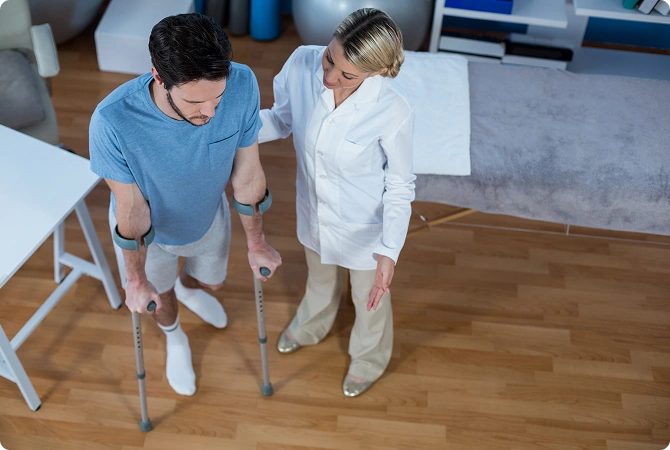
Difficulty walking refers to noticeable changes in how you move from place to place. Walking may feel slower, less smooth, more effortful, or less coordinated than before. Some people notice a limp. Others describe dragging a foot, taking shorter steps, or needing more focus just to move safely.
Walking is often called gait. Gait is the coordinated pattern your body uses to move forward. It depends on strength, joint mobility, coordination, sensation, balance systems, and communication between the brain and muscles. When even one of these systems becomes less efficient, gait changes can occur.
You don’t need to have fallen to recognize walking changes. Many people first notice that walking simply feels different—less automatic, less steady, or more tiring. That shift in ease is often the earliest sign that movement patterns have changed.
How Difficulty Walking Can Affect Daily Life
Because walking supports independence, even subtle changes can influence daily routines.
You might find it harder to:
- Walk longer distances
- Keep pace with others
- Turn or change direction smoothly
- Navigate stairs or curbs
- Move confidently in busy environments
As a result, some people slow down, limit activity, or avoid certain situations. Over time, reduced movement can affect strength and endurance, which may further influence walking efficiency.
What Can Contribute To Difficulty Walking?
Walking is a whole-body activity. It rarely changes for only one reason.
Contributing factors may include:
- Muscle weakness
- Joint stiffness or reduced mobility
- Coordination changes
- Sensation differences in the feet or legs
- Balance challenges
- Neurologic movement changes
- Reduced endurance
When one area compensates for another, the walking pattern may become less efficient or require more effort.
How Physical Therapy Can Help
Physical therapy for gait dysfunction focuses on improving walking quality, efficiency, and confidence. Rather than addressing only one symptom, care looks at how the entire movement system works together.
A physical therapist may assess:
- Step length and symmetry
- Walking speed and rhythm
- Joint mobility
- Muscle strength
- Movement control during turning and direction changes
Treatment is guided by how difficulty walking affects your daily life and the activities you want to perform more comfortably.
Common Features Of Gait Changes
These describe patterns often seen with walking challenges, not diagnostic criteria.
Common features may include:
- Limping
- Shortened steps
- Uneven weight shifting
- Slower walking speed
- Increased effort during movement
- Foot drag or difficulty clearing the toes while walking
Even small changes in how the foot lifts or lands can affect walking efficiency and confidence.
Symptoms You May Experience
Walking changes can feel different from person to person. You may notice:
- Needing more concentration to walk
- Fatigue after shorter distances
- Trouble adjusting speed
- Occasional stumbling
- A sense that movement feels less smooth
These experiences may overlap with poor balance or increased fall risk, but they can also occur independently due to strength, coordination, or mobility factors.
Frequently Asked Questions
Changes in strength, coordination, endurance, joint mobility, or neurologic control can make walking feel less automatic or more effortful.
Gait dysfunction refers to changes in the normal walking pattern, including step length, rhythm, coordination, or symmetry.
Foot drag can occur when the muscles that lift the foot don’t activate efficiently or when coordination changes affect timing.
Yes. Difficulty walking may occur due to coordination, endurance, or neurologic changes even without significant pain.
Not always. Walking requires balance, but it may also involve strength, endurance, coordination, or neurologic factors beyond balance alone.
Yes. Physical therapy can help address movement patterns, strength, coordination, and endurance to support more efficient walking.
Related Conditions
Some people with difficulty walking also explore:
These pages explore how different systems influence walking and stability.
Learn More About Physical Therapy
If you’d like more information about what to expect during physical therapy, visit our Patient Resources page.
Get Started
If difficulty walking is affecting your daily life, a physical therapy evaluation may help identify movement patterns, contributing factors, and next steps for care.


