
 Menu
Menu

Shoulder Dislocations
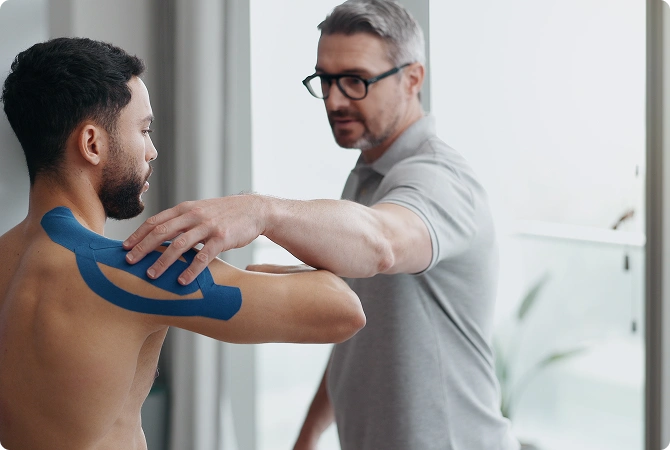
A shoulder dislocation occurs when the upper arm bone moves out of its normal position in the shoulder socket. This typically happens suddenly during a fall, collision, or forceful movement, and often causes immediate pain and loss of normal shoulder function.
Because the shoulder is designed for mobility more than stability, it is more vulnerable to dislocation under stress. After a dislocated shoulder has been medically addressed, many people notice ongoing soreness, weakness, or difficulty trusting the shoulder during movement. Some individuals experience a single dislocation, while others may go on to develop repeated episodes or ongoing instability.
This page focuses on shoulder dislocation as a recovery and movement-related condition, rather than an emergency event, and explains how physical therapy after shoulder dislocation can support healing, stability, and confident arm use.
How Physical Therapy Helps Shoulder Dislocation
After a shoulder dislocation, physical therapy focuses on restoring strength, control, and coordinated movement while protecting healing structures in the joint.
Care may include:
- Assessment of shoulder mobility, strength, and stability
- Gradual strengthening of the rotator cuff and surrounding stabilizing muscles
- Shoulder blade and upper-body coordination training
- Progressive return to daily activities, work tasks, or sport-specific movements
- Education on movement patterns and positions that may increase strain
Physical therapy emphasizes controlled progression rather than rushing movement, with the goal of supporting recovery and reducing the risk of future dislocations.
Common Features Of Shoulder Dislocation
Shoulder dislocation often presents with a recognizable pattern, particularly early in recovery.
Common features may include:
- A sudden injury resulting in loss of normal shoulder alignment
- Significant pain and limited arm movement at the time of injury
- Residual weakness or apprehension with certain movements
- Muscle guarding or protective movement patterns
- Increased vulnerability to repeat dislocation in some individuals
The direction and severity of the dislocation, as well as individual activity demands, can influence recovery needs.
Symptoms That Can Be Associated With Shoulder Dislocation
During recovery from a dislocated shoulder, some people experience:
- Ongoing shoulder soreness or discomfort
- Weakness when lifting, reaching, or carrying objects
- A sensation that the shoulder may slip or feel unstable
- Reduced confidence using the arm, especially overhead or away from the body
- Stiffness or limited range of motion as healing progresses
Because these symptoms can overlap with other shoulder conditions, evaluation is often helpful to guide appropriate care.
Related Shoulder Conditions
Symptoms associated with shoulder dislocation may overlap with other shoulder conditions. You may find it helpful to explore these related pages:
- Shoulder Instability – when the shoulder feels loose or difficult to control
- Labral Tears – when cartilage injury contributes to instability or catching
- Rotator Cuff Injuries – when weakness or pain is more prominent
- Post-Surgical Shoulder Rehabilitation – following stabilization procedures
Each page provides additional information to help clarify symptoms and next steps.
Frequently Asked Questions
A shoulder dislocation often causes sudden pain and an inability to move the arm normally. After the joint is addressed, symptoms may shift to soreness, weakness, or instability during movement.
Yes. Some people experience repeated dislocations, particularly if joint support structures were affected or if muscular control has not been fully restored.
No. Many cases are managed conservatively. Physical therapy after shoulder dislocation is commonly recommended to improve stability, strength, and movement control.
Timing depends on the injury and medical guidance. Physical therapy typically begins once the shoulder is cleared for movement.
Learn More About Physical Therapy
If you’d like more information about what to expect during physical therapy, visit our Patient Resources page.
Get Started
If you’ve experienced a shoulder dislocation or continue to notice weakness, instability, or limited confidence using your arm, a physical therapy evaluation can help determine appropriate next steps for care.


