
 Menu
Menu

Peripheral Nerve Injuries
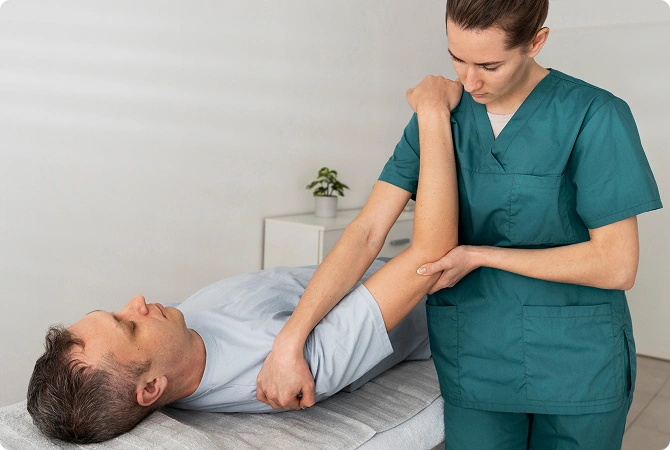
A peripheral nerve injury refers to irritation or disruption of a nerve along the arm, elbow, wrist, or hand. These nerves control sensation and movement, allowing you to feel, grip, and coordinate daily tasks. When a nerve becomes irritated, symptoms can feel inconsistent or difficult to explain because nerves respond not only to injury, but also to pressure, position, and repetition.
Unlike isolated muscle or joint soreness, nerve-related symptoms often shift throughout the day. You might notice tingling in the fingers after prolonged typing, numbness when your elbow stays bent too long, or weakness that feels more noticeable during repetitive tasks. Because nerves travel from the neck through the arm into the hand, symptoms do not always stay in one location. Discomfort in the fingers does not necessarily mean the problem started there.
In many cases, these symptoms reflect nerve sensitivity rather than permanent damage. That distinction matters. Peripheral nerves are adaptable, and their response to movement and load can improve when the surrounding tissues move more efficiently.
How Physical Therapy Helps Peripheral Nerve Injuries
Physical therapy for peripheral nerve injury focuses on improving how the arm, elbow, wrist, and hand work together while reducing unnecessary stress on sensitive nerves. Treatment is guided by how symptoms behave and how they affect daily function, rather than by iagnosis alone.
Physical therapy may help by:
- Improving nerve tolerance to movement and position
- Reducing strain or compression along nerve pathways
- Improving strength, coordination, and control of the arm and hand
- Addressing posture or movement habits that trigger symptoms
- Supporting a gradual return to daily and work-related activities
Care is individualized and adjusted as symptoms and activity tolerance change over time.
Common Features
Peripheral nerve injuries often involve:
- Numbness and tingling in the arm, hand, or fingers
- Symptoms that travel into the hand or fingers
- Symptoms that increase with certain positions or prolonged use
- Fluctuating symptoms that change throughout the day
- Reduced tolerance for repetitive or sustained upper extremity tasks
These shared features help guide care even when symptoms don’t fit neatly into one iagnosis.
Symptoms You May Experience
Symptoms associated with peripheral nerve injury may include:
- Tingling or numbness
- Burning, aching, or electric-like sensations
- Weakness in the hand or fingers
- Early muscle fatigue
- Reduced fine motor control
Symptoms may be intermittent and influenced by posture, repetition, or sustained activity.
Related Conditions We Treat
Peripheral nerve injuries are part of a broader group of nerve-related arm conditions that may benefit from physical therapy, including:
This page often serves as a starting point before exploring more specific nerve conditions.
Frequently Asked Questions
No. Many peripheral nerve injuries involve irritation or sensitivity rather than permanent damage. Symptoms often improve with appropriate movement, posture changes, and physical therapy.
Peripheral nerves respond to pressure, position, and repetition. Symptoms may increase with certain activities and ease with rest or movement changes.
Not always. Many nerve-related symptoms respond well to conservative care such as physical therapy, especially when symptoms are influenced by movement and daily habits.
Yes. Physical therapy focuses on restoring comfortable movement and function, even when symptoms don’t fit one specific label.
Learn More About Physical Therapy
If you’d like more information about what to expect during physical therapy, visit our Patient Resources page.
Get Started
If nerve-related arm pain, hand numbness, or difficulty using your elbow, wrist, or hand is affecting your daily activities, a physical therapy evaluation can help determine appropriate next steps for care.


