
 Menu
Menu

Meniscus Tears
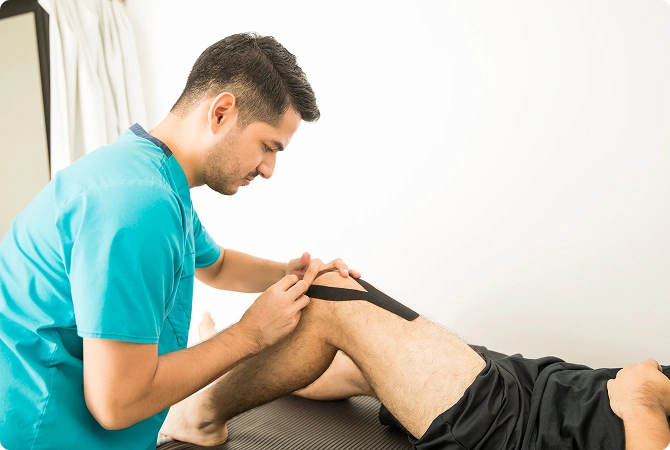
A meniscus tear involves one of the cushioning structures inside the knee that helps it move smoothly and handle weight during everyday activities. Many people notice symptoms during movements like walking, turning, squatting, or using stairs. For some, symptoms begin suddenly. For others, they develop gradually or appear only during certain movements.
The knee works best when its structures move together in a coordinated way. When the meniscus is involved, movement may feel less smooth or less reliable. Symptoms often vary from day to day and may change depending on activity level, position, or how the knee is being used.
Understanding Meniscus Tears
The meniscus is a firm, rubbery piece of cartilage inside the knee. Each knee has two menisci that sit between the thigh bone and the lower leg bone. Their role is to help absorb impact, istribute weight, and support smooth motion as the knee bends, straightens, and rotates.
With a meniscus tear, this cushioning structure doesn’t respond to movement in the same way. This can affect how the knee handles load, especially during twisting, turning, or eeper bending. Some meniscus tears are linked to sudden movements, while others develop over time as the tissue becomes less tolerant of stress.
Not all meniscus tears feel the same, and symptoms don’t always follow a clear or predictable pattern.
How Meniscus Tears Can Affect Movement And Daily Life
Because the meniscus helps guide and cushion knee motion, meniscus tears can make certain movements feel uncomfortable or uncertain.
People often notice:
- Discomfort when walking, especially on uneven surfaces
- Difficulty with turning, pivoting, or changing direction
- Challenges with squatting, kneeling, or standing up from low positions
- Discomfort when using stairs
- Reduced confidence in how the knee moves
To stay comfortable, some people naturally move more cautiously or avoid specific positions. Over time, these adjustments can influence daily routines and activity choices.
How Physical Therapy Can Help
Physical therapy for meniscus tears focuses on improving how the knee moves and functions during daily activities. Care looks at how the knee works together with the hips, ankles, and core rather than focusing on the meniscus alone.
A physical therapist may assess strength, flexibility, balance, and movement patterns to help support smoother movement and better control. Care is guided by how meniscus tear symptoms affect your daily life and which activities matter most to you.
Common Features Of Meniscus Tears
These describe how meniscus tears often behave, not diagnostic criteria. Not everyone experiences all of these.
Common features may include:
- Discomfort with twisting or pivoting movements
- Sensations of catching, clicking, or locking
- Swelling or stiffness after activity
- Difficulty fully bending or straightening the knee
- Symptoms that change depending on activity level
These features reflect how the knee responds when the meniscus isn’t handling movement as smoothly as usual.
Meniscus Tear Symptoms You May Experience
This section describes what meniscus tears may feel like during daily life. You may notice:
- Knee pain during specific movements
- Stiffness or tightness in the knee
- Swelling after being active
- A feeling that the knee doesn’t move smoothly
- Hesitation or reduced confidence when turning or changing direction
Symptoms may overlap with knee pain, but meniscus-related symptoms often stand out during rotational or direction-changing movements.
Frequently Asked Questions
Yes. Many people experience meniscus tears without a single memorable injury. Symptoms can develop gradually or appear during everyday movement.
The meniscus helps guide smooth knee motion. When it’s involved, certain movements may feel less smooth or briefly restricted.
No. Many people manage meniscus tear symptoms conservatively. Physical therapy often focuses on improving movement, strength, and confidence rather than assuming surgery is needed.
Yes. Physical therapy can help address movement patterns and functional limitations even when symptoms are inconsistent.
Related Conditions
Some people with meniscus tears also explore information related to:
These pages focus on different knee-related movement experiences that may overlap but have istinct patterns.
Learn More About Physical Therapy
If you’d like more information about what to expect during physical therapy, visit our Patient Resources page.
Get Started
If you’re experiencing meniscus tear symptoms and they’re affecting your aily life, a physical therapy evaluation may help identify movement patterns, contributing factors, and next steps for care.


