
 Menu
Menu

Cupping Therapy
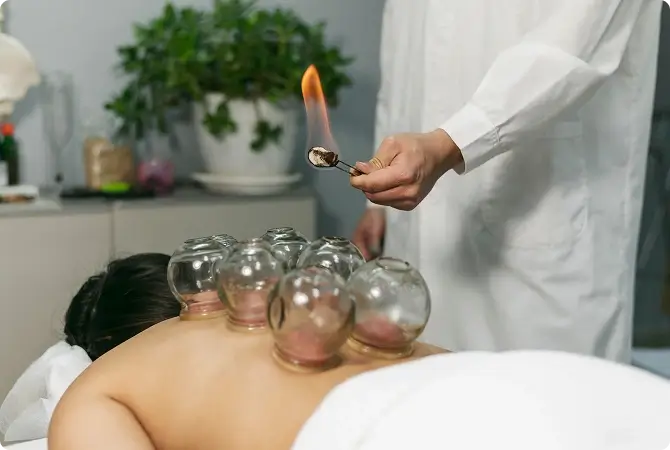
Cupping therapy is a hands-on technique that uses suction cups placed on the skin to create gentle negative pressure. In physical therapy, cupping is often used to help reduce muscle tightness, improve mobility, and support recovery as part of a larger treatment plan.
At iMotion Physical Therapy, cupping may be used as an added technique when it fits your symptoms, goals, and plan of care.
What is Cupping Therapy used for?
Cupping therapy is commonly used to support:
- muscle tightness and tension
- stiffness and restricted mobility
- recovery and movement comfort during rehabilitation
Many patients report feeling looser and more comfortable in the treated area after cupping.
What does Cupping Therapy feel like?
Most patients feel a pulling or pressure sensation under the cups. It should not feel sharply painful. Your therapist will adjust the intensity based on your comfort level.
What to expect after cupping
Cupping commonly leaves circular marks that can look like bruises. These marks are typically temporary and fade over time.
Some patients may also feel mild soreness in the treated area, similar to how you might feel after targeted soft tissue work.
Is Cupping Therapy safe?
Cupping is generally considered low-risk when performed appropriately, but it isn’t used in every situation. Cupping should not be performed over areas with open wounds, skin irritation, infection, or burns.
Your therapist will always screen to make sure cupping is appropriate for you.
How Cupping Therapy fits into your plan of care
Cupping therapy is not a replacement for physical therapy. It is one technique that may be used to support mobility, comfort, and movement quality—especially when combined with:
- strengthening and mobility exercises
- movement retraining
- hands-on treatment (when appropriate)
- education to support long-term progress
Frequently Asked Questions
Cupping usually feels like pressure or pulling. It should stay within a tolerable, comfortable range, and your therapist can adjust the intensity.
Marks are temporary and fade over time.
Yes. Mild soreness can happen for some patients, especially in areas that were already tight or sensitive.
Yes. If cupping is appropriate for your condition and goals, your therapist may incorporate it into your session.
Interested in cupping therapy?
Schedule an evaluation or ask your therapist whether cupping may be a helpful addition to your plan of care.


