
 Menu
Menu

Mulligan Technique
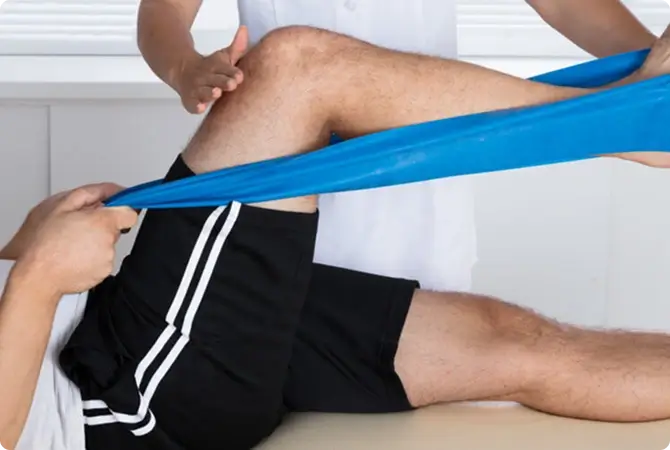
Mulligan’s Concept is a manual therapy approach used in physical therapy to help reduce pain and improve joint mobility through hands-on treatment combined with active, natural movement. It was developed by New Zealand physical therapist Brian Mulligan and is based on the idea that certain movements may become painful or restricted, and may improve when the right mobilization is paired with functional motion.
At iMotion Physical Therapy, Mulligan’s Concept may be recommended as one part of your personalized plan of care.
What is Mulligan’s Concept used for?
Mulligan’s Concept may be used to support recovery and function in a variety of situations, including:
- reducing pain and stiffness
- improving joint mobility in a tolerable way
- supporting more comfortable daily activity
- addressing “positional faults” that may contribute to symptoms
- helping with both acute and chronic joint pain
How can Mulligan’s Concept help?
Mulligan’s Concept includes two key methods:
- Mobilizations With Movement (MWMs): Used for the extremities (arms and legs). A gentle mobilization is applied while you perform a movement, which may help improve mobility and decrease discomfort.
- Sustained Natural Apophyseal Glides (SNAGs): Used for the spine. Mobilization is combined with active movement to support improved mobility and reduce symptoms.
A core guideline of Mulligan’s Concept is simple: treatment should not be painful. Techniques are applied in a way that supports comfort and control instead of forcing through pain.
What does Mulligan treatment involve?
Depending on your needs, Mulligan care may include tools such as:
- foam pads
- mobilization belts
These methods are designed to create effective changes that carry over outside the clinic, including home-based mobility work when appropriate.
What does Mulligan’s Concept feel like?
Mulligan techniques are designed to feel comfortable and controlled. In most cases, you may feel:
- gentle pressure or support at the joint
- smoother, easier movement while the technique is performed
- improved comfort compared to what you felt before
If anything feels uncomfortable or aggravates symptoms, the approach can be modified.
How will I know if Mulligan’s Concept is helping?
Many patients notice improvements such as:
- less pain with activity
- increased range of motion
- reduced stiffness
- improved tolerance of daily tasks
- improved confidence using the affected area
Progress is monitored over time to determine what best supports your recovery.
Mulligan’s Concept is one part of your plan of care
Mulligan’s Concept is one tool that may be used to support your recovery, alongside treatments such as:
- hands-on therapy (when appropriate)
- mobility and strengthening exercises
- movement training
- patient education
Your plan is tailored to your needs and designed to help you move better and feel more confident over time.
Frequently Asked Questions
Mulligan’s Concept is a manual therapy approach that combines joint mobilization with active movement to help improve mobility and reduce pain.
A key rule of Mulligan’s Concept is that treatment should not be painful. The technique can be adjusted based on comfort and response.
Mulligan’s Concept may be used for both acute and chronic conditions, depending on the cause of symptoms and the overall plan of care.


