
 Menu
Menu

Knee Pain
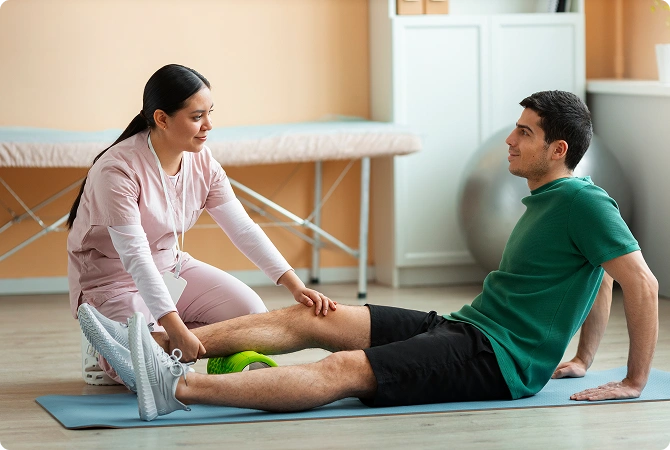
Knee pain is a common experience that can affect how you move through your day. For some people, it shows up during specific activities like walking, standing, or using stairs. For others, it develops gradually or seems to come and go without a clear pattern. The way knee pain feels, when it shows up, and how much it affects daily life can vary widely from person to person.
Because the knee plays a central role in everyday movement, discomfort in this area is often noticeable during routine tasks. Knee pain doesn’t always have a single cause, and it may reflect how the knee and surrounding areas are responding to daily movement demands, activity levels, and how the body is moving as a whole.
Understanding Knee Pain
Knee pain refers to discomfort felt in or around the knee during movement or daily activities. It may feel sharp, dull, achy, stiff, sore, or sensitive, and the sensation can change depending on position, activity level, or fatigue.
Some people notice knee pain symptoms only during specific movements, while others feel iscomfort more consistently throughout the day. Pain may feel localized to one area of the knee or more general. In many cases, knee pain reflects how the joint and surrounding tissues are managing load and movement rather than a single identifiable issue.
How Knee Pain Can Affect Movement And Daily Life
When knee pain is present, people often adapt how they move—sometimes without realizing it. You might shift weight differently, move more cautiously, or avoid certain positions to stay comfortable.
People often notice knee pain affects:
- Comfort with walking or standing
- Using stairs, squatting, or kneeling
- Getting up from chairs or lower surfaces
- Tolerance for longer periods of activity
- Confidence with everyday movement
Over time, these adjustments can influence overall activity levels and how comfortable movement feels throughout the day.
How Physical Therapy Can Help
Physical therapy for knee pain focuses on how your body moves as a whole. Rather than treating the knee in isolation, care often centers on understanding how the knee works during everyday activities and how it coordinates with the hips, ankles, and balance systems.
A physical therapist may look at movement patterns, strength, flexibility, balance, and coordination to help support more comfortable and efficient movement. Care is guided by how knee pain shows up in your daily life and what activities matter most to you.
Common Features Of Knee Pain
These are movement-related patterns, not diagnoses. Not everyone experiences all of these, and they can change over time.
Common features of knee pain may include:
- Pain that changes with activity level
- Discomfort during weight-bearing movements
- Stiffness after sitting or resting
- Sensitivity with certain positions or motions
- Symptoms that fluctuate from day to day
These features often reflect how the knee responds to movement demands rather than a fixed problem.
Knee Pain Symptoms You May Experience
Knee pain symptoms can feel different for different people. You may notice:
- Aching or soreness around the knee
- Sharp or catching sensations with certain movements
- Stiffness, especially after inactivity
- Discomfort during or after activity
- A sense that the knee doesn’t move as smoothly as it used to
Symptoms can overlap with balance or walking changes, especially if pain influences how you move or how confident movement feels.
Frequently Asked Questions
Many people experience knee pain without a specific injury. Changes in activity, movement patterns, strength, or how the knee handles everyday load can all influence how it feels.
Knee pain often varies with activity level, fatigue, surface changes, and daily demands. It’s common for symptoms to fluctuate rather than remain constant.
Movement tolerance differs from person to person. Many people find it helpful to understand how to move more comfortably and confidently rather than avoiding movement altogether.
Physical therapy can support movement quality and comfort at many stages, including when knee pain feels mild, inconsistent, or activity-related.
Related Conditions
Some people with knee pain also explore information related to:
Exploring related topics can help you better understand how different movement experiences may overlap.
Learn More About Physical Therapy
If you’d like more information about what to expect during physical therapy, visit our Patient Resources page.
Get Started
If you’re experiencing knee pain and it’s affecting your daily life, a physical therapy evaluation may help identify movement patterns, contributing factors, and next steps for care.


