
 Menu
Menu

Vertigo & Vestibular Disorders
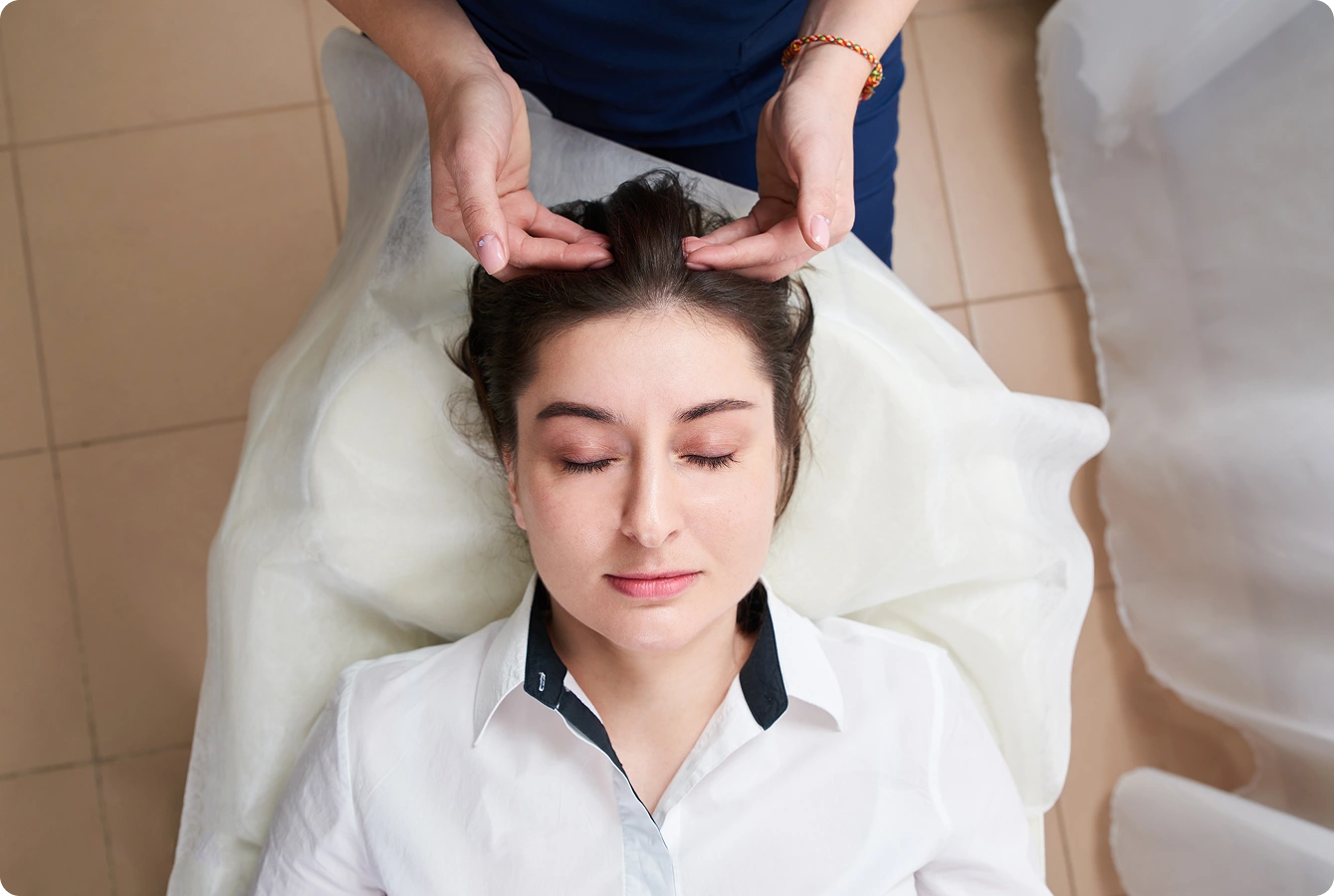
If you've ever felt the room spin when rolling in bed, turning your head quickly, or walking through a busy store, you may be experiencing a vestibular issue.
Vertigo is the sensation that you or your surroundings are spinning, tilting, or moving when they are not. It is a symptom — not a diagnosis. Many cases of vertigo are related to changes in the vestibular system, the inner ear and brain network responsible for balance and spatial awareness.
The vestibular system works closely with your eyes and muscles to keep you steady. When that system is disrupted, you may feel:
- Spinning sensations
- Off-balance or unsteady
- Lightheaded
- Visually disoriented
- Sensitive to motion
Vertigo can feel sudden and frightening. While it's important to rule out serious causes when appropriate, many vestibular disorders are highly treatable with targeted therapy. If dizziness or spinning sensations are affecting your confidence, mobility, or daily activities, vestibular physical therapy may help restore stability.
What Are Vestibular Disorders?
Vestibular disorders occur when the inner ear or its connections to the brain are not processing motion and balance signals correctly.
Common vestibular conditions include:
- Benign Paroxysmal Positional Vertigo (BPPV)
- Unilateral/Bilateral vestibular hypofunction
- Persistent Postural-Perceptual Dizziness (PPPD)
- Post-concussion dizziness
- Age-related balance decline
- Motion sensitivity
- Chronic disequilibrium after illness
Some conditions cause brief spinning episodes triggered by head movements, such as rolling over in bed or looking up. Others may cause longer-lasting imbalance, visual instability, or motion sensitivity.
Symptoms can range from mild to disruptive. Even intermittent dizziness can affect walking, driving, working, exercising, or navigating crowded environments. Understanding the underlying cause is the first step toward targeted treatment.
How Physical Therapy for Vertigo and Vestibular Disorders Helps
Vestibular rehabilitation therapy (VRT) is a specialized form of physical therapy designed to retrain the balance system.
During a vestibular evaluation, your therapist may assess:
- Eye movements and visual tracking
- Head movement tolerance
- Positional testing (when appropriate for BPPV)
- Balance and walking stability
- Symptom triggers and patterns
Treatment depends on the underlying cause.
For example:
- BPPV may improve quickly with repositioning maneuvers that guide displaced inner ear crystals back into place.
- Other conditions require gradual adaptation exercises that help the brain recalibrate balance signals.
- Gaze stabilization exercises help reduce “bouncing” or blurred vision during movement.
- Balance training improves stability and reduces fall risk.
Because the brain can adapt to changes in vestibular input, structured and progressive exposure to movement is often key to recovery.
Many individuals experience meaningful improvement with consistent, guided therapy.
Common Features
People with vertigo or vestibular disorders often report:
- Spinning or tilting sensations
- Dizziness when turning the head
- Difficulty focusing while walking
- Increased symptoms in visually busy spaces (grocery stores, scrolling screens)
- Motion sensitivity
- Feeling pulled to one side
Symptoms may fluctuate and can be triggered by certain movements or positions.
Symptoms You May Experience
Symptoms associated with vestibular disorders may include:
- True spinning sensation (vertigo)
- Disequilibrium (feeling off-balance)
- Lightheadedness
- Nausea
- Blurred or bouncing vision
- Loss of balance
In some cases, symptoms may follow a viral illness, head injury, migraine episode, or occur without a clear trigger.
Related Conditions We Treat
Vertigo and vestibular disorders are part of a broader group of neurologic and balance-related conditions that may benefit from rehabilitation, including:
- Concussion (balance concerns following concussion)
- Stroke
- Parkinson’s Disease
When dizziness is related to neurologic conditions, care may involve collaboration between physical therapy, occupational therapy, and other specialists to support balance, safety, and daily function.
Frequently Asked Questions
Not exactly. Vertigo specifically refers to a spinning sensation. Dizziness is a broader term that can include lightheadedness, imbalance, or visual instability.
BPPV commonly causes brief spinning episodes triggered by rolling in bed, looking up, or bending over. A vestibular evaluation can confirm the diagnosis.
Yes. Vestibular rehabilitation therapy is supported by research and widely recommended for many balance disorders.
Recovery varies depending on the condition. Some forms of vertigo resolve quickly with treatment, while others improve gradually with structured rehabilitation.
Avoiding movement entirely can sometimes prolong symptoms. Guided, gradual exposure under the supervision of a therapist helps the brain adapt safely.
Sudden dizziness accompanied by severe headache, vision loss, weakness, difficulty speaking, or chest pain requires immediate medical attention.
Learn More About Physical Therapy
If you'd like more information about what to expect during physical therapy, visit our Patient Resources page.
Get Started
If vertigo, dizziness, or balance instability is interfering with your daily life, a vestibular physical therapy evaluation can help identify the cause and create a targeted plan to restore stability and confidence.


