
 Menu
Menu

Arthritis
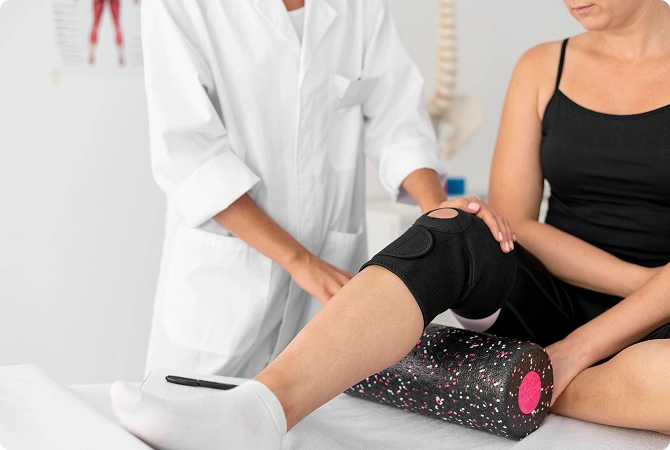
Knee arthritis is a condition that can change how the knee moves and feels during everyday activities. Many people notice stiffness, discomfort, or a sense that movement takes more effort—especially during walking, standing, or using stairs. For some, these changes develop gradually. For others, they’re more noticeable after periods of rest or during specific activities.
The knee depends on smooth, coordinated joint movement to support daily life. With knee arthritis, that movement may feel less fluid, which can make routine tasks feel more challenging. Symptoms can vary from day to day and often shift depending on activity level, pace, and how the knee is being used.
How Knee Arthritis Can Affect Movement And Daily Life
Because the knee plays a central role in weight-bearing and movement, knee arthritis can influence how comfortable everyday activities feel.
People often notice knee arthritis affects:
- Walking longer distances or at a faster pace
- Using stairs, particularly going down
- Standing in one position for extended periods
- Getting up from chairs or lower surfaces
- Confidence with movement during daily routines
To stay comfortable, many people naturally adjust how they move—slowing down, changing positions more often, or avoiding certain movements. Over time, these adjustments can shape aily routines and activity choices.
How Physical Therapy Can Help
Physical therapy for knee arthritis focuses on supporting comfortable, confident movement in daily life. Rather than focusing on the joint alone, care looks at how the knee works with the rest of the body during everyday activities.
A physical therapist may assess movement patterns, strength, flexibility, balance, and coordination to help improve how movement feels and functions. Care is guided by how knee arthritis shows up in your daily activities and what matters most to you.
Common Features Of Knee Arthritis
These describe how knee arthritis tends to behave, not diagnostic criteria. Not everyone experiences all of these, and features may change over time.
Common features of knee arthritis may include:
- Stiffness, especially after sitting or resting
- Discomfort with weight-bearing activities
- Reduced ease or smoothness of movement
- Symptoms that fluctuate from day to day
- Increased awareness of the knee during activity
Knee Arthritis Symptoms You May Experience
These describe what knee arthritis may feel like during daily life. Knee arthritis symptoms can vary widely. You may notice:
- Aching or soreness in or around the knee
- Stiffness when starting to move
- Discomfort during or after activity
- A sense that the knee feels less flexible
- Changes in confidence with movement
Symptoms may overlap with knee pain, but arthritis-related discomfort often involves stiffness and changes in how smoothly the knee moves.
Frequently Asked Questions
Many people worry that knee arthritis always gets worse over time. In reality, symptoms can change and fluctuate, with periods where movement feels more comfortable and others where it feels more challenging.
Stiffness after inactivity is common with knee arthritis and often eases as the knee begins to move again.
Yes. Physical therapy can help support movement quality, strength, and confidence, even when arthritis is present.
Activity tolerance varies from person to person. Many people benefit from learning how to move in ways that feel more comfortable rather than avoiding movement altogether.
Related Conditions
Some people with knee arthritis also explore information related to:
These pages focus on different knee-related movement experiences that may overlap but have istinct patterns.
Learn More About Physical Therapy
If you’d like more information about what to expect during physical therapy, visit our Patient Resources page.
Get Started
If you’re experiencing knee arthritis and it’s affecting your daily life, a physical therapy evaluation may help identify movement patterns, contributing factors, and next steps for care.


