
 Menu
Menu

Cerebellar Stroke
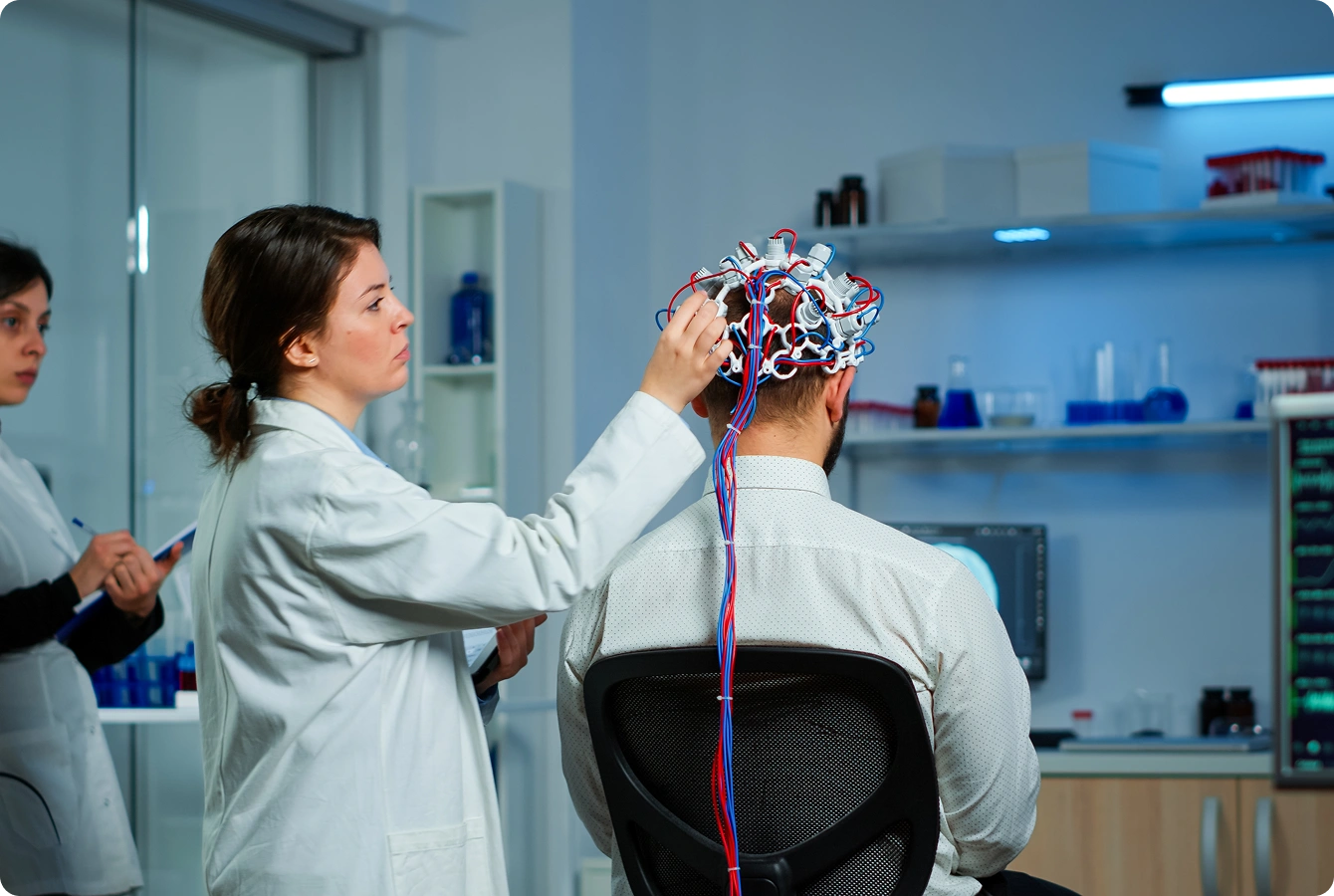
A cerebellar stroke occurs when blood flow to the cerebellum — the part of the brain responsible for balance, coordination, timing, and movement accuracy — is disrupted. When this area is affected, the body may have difficulty regulating how movements are controlled and stabilized.
Unlike many other types of stroke that primarily affect strength, a cerebellar stroke more often affects coordination and physical control. Walking may feel unsteady. Reaching may feel less precise. Turning or changing direction may require more concentration than before.
These changes can feel unsettling at first, especially when balance is involved. They reflect how the cerebellum helps fine-tune posture and movement, and they are consistent with how this part of the brain supports stability.
If you are experiencing dizziness, unsteadiness, or difficulty coordinating your movements after a stroke, these symptoms may be related to cerebellar involvement.
Presentation varies depending on the size and location of the stroke. Some individuals experience mild coordination changes, while others benefit from structured rehabilitation to safely regain independence.
What Happens After a Cerebellar Stroke?
After the immediate medical phase, recovery focuses on improving balance, coordination, and physical stability. Tasks that once felt automatic — such as standing, walking across a room, or turning — may initially feel less controlled.
Because the cerebellum regulates timing and precision, rehabilitation emphasizes guided repetition and task-specific practice to help the brain refine control. The nervous system can adapt over time, and consistent therapy supports safer, more efficient function.
Care is collaborative. Physical therapy, occupational therapy, and speech-language pathology often work together when treating neurologic conditions. While physical therapy focuses on walking and stability, occupational therapy may address daily activities and coordination, and speech-language pathology may support communication or swallowing when affected. This coordinated approach supports recovery across multiple areas of function.
How Physical Therapy For Cerebellar Stroke Helps
Physical therapy for cerebellar stroke focuses on improving balance, coordination, and overall stability during everyday activities. Care is guided by how symptoms affect walking and posture in real life.
Therapy may help by:
- Improving walking stability and step control
- Supporting safer posture during standing and movement
- Practicing controlled arm and leg coordination
- Improving turning and directional changes
- Reducing fall risk through progressive balance training
- Increasing endurance for daily tasks
Because cerebellar stroke affects movement accuracy more than strength alone, therapy emphasizes controlled repetition and progressive balance challenges to help the brain refine timing and improve physical stability.
Care is individualized and adjusted as recovery progresses.
Common Features
Following a cerebellar stroke, commonly observed patterns include:
- Unsteady or wide-based walking (ataxia)
- Difficulty maintaining balance
- Reduced precision in arm or leg movements
- Slower or less controlled physical responses
- Difficulty with quick directional changes
These features reflect the cerebellum’s role in coordinating timing and stability.
Symptoms You May Experience
Symptoms may include:
- Dizziness or vertigo
- Loss of balance
- Difficulty walking in a straight line
- Clumsiness or lack of coordination
- Nausea or vomiting
- Slurred speech (in some cases)
Severity differs from person to person. Recovery focuses on improving stability, control, and confidence with movement.
Related Conditions We Treat
Cerebellar stroke is part of a broader group of neurologic movement conditions that may benefit from physical therapy, including:
Frequently Asked Questions
Cerebellar stroke primarily affects coordination and balance rather than causing significant weakness. Instability and difficulty controlling movement are more common than paralysis.
Strength may be mildly affected, but loss of coordination and balance disturbances are typically more prominent.
Yes. Physical therapy for cerebellar stroke uses structured balance and coordination training to improve stability and reduce fall risk over time.
The cerebellum fine-tunes timing and precision. When affected, movements may appear less smooth or less accurate even if strength is preserved.
Yes. Because the cerebellum contributes to balance regulation, dizziness and unsteadiness are common during recovery.
Recovery timelines vary depending on stroke severity and overall health. Many individuals continue to improve with consistent, guided rehabilitation.
Recovery varies, but many individuals regain independence and meaningful function with appropriate therapy and support.
Learn More About Physical Therapy
If you’d like more information about what to expect during physical therapy, visit our Patient Resources page.
Get Started
If a cerebellar stroke is affecting your balance, coordination, or walking ability, a physical therapy evaluation can help outline a structured and individualized recovery plan.


