
 Menu
Menu

Fractures
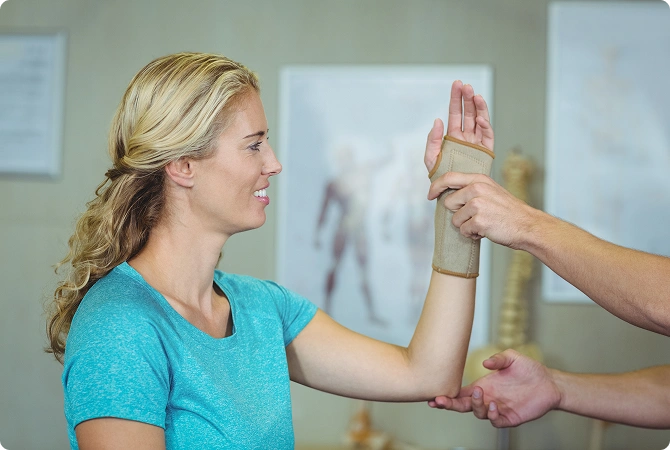
Elbow fractures, wrist fractures, and hand fractures occur when a bone breaks due to a fall, direct impact, or higher-force trauma. Because the elbow, wrist, and hand are essential for support, gripping, and daily movement, a fracture can quickly affect comfort, mobility, and function.
Fractures can vary in severity. Some are stable and heal with immobilization such as a splint or cast, while others may involve more displacement and require additional medical management. Regardless of treatment approach, it is common to experience stiffness, weakness, and difficulty using the arm or hand—especially after a period of protection or limited movement.
This page provides general information about fractures affecting the elbow, wrist, and hand, how they influence movement during recovery, and how physical therapy may help support return to daily activities once healing allows.
How Fractures Affect Movement And Daily Activities
After a fracture, the body responds with pain, swelling, and protective guarding. Immobilization, while often necessary for bone healing, can also contribute to temporary loss of motion, reduced strength, and decreased tolerance for load.
To keep information balanced, here is how fractures commonly affect each region:
Elbow Fractures
Elbow fractures often affect bending and straightening the arm, as well as forearm rotation. This may make reaching, lifting, carrying, dressing, grooming, or supporting body weight through the arm feel limited or uncomfortable during recovery.
Wrist Fractures
Wrist fractures frequently affect wrist motion and forearm rotation, which can make pushing up from a chair, lifting objects, typing, cooking, or returning to weight-bearing activities through the hands more difficult.
Hand Fractures
Hand fractures, including fractures of the fingers or metacarpals, commonly affect grip strength, dexterity, and fine motor control. Tasks such as writing, buttoning clothing, opening containers, using tools, or handling small objects may feel challenging, particularly when stiffness is present.
Across all regions, symptoms often fluctuate throughout the day based on activity level, healing stage, and how the arm or hand is being used.
How Physical Therapy Supports Recovery After a Fracture
Physical therapy for elbow fractures, physical therapy for wrist fractures, and physical therapy for hand fractures focuses on restoring movement, strength, and functional use after injury and immobilization, while respecting bone healing and any precautions provided by your medical team.
Physical therapy may help by:
- Restoring range of motion after casting or splinting
- Reducing stiffness and improving joint mobility
- Rebuilding strength, endurance, and coordination
- Gradually increasing tolerance for daily activities, work tasks, and recreation
- Improving confidence using the arm or hand during recovery
Care is individualized and progresses based on healing stage, symptoms, movement tolerance, and functional goals.
Common Features Of Elbow, Wrist, And Hand Fractures
People recovering from upper extremity fractures often notice shared patterns, including:
- Pain, swelling, or tenderness near the fracture site
- Stiffness, especially after immobilization
- Reduced strength or endurance
- Difficulty with gripping, lifting, reaching, or fine motor tasks
- Hesitation using the arm or hand due to discomfort or uncertainty
These features are common during recovery and often improve with appropriate progression of movement and strengthening.
Symptoms You May Experience
Symptoms associated with elbow fractures, wrist fractures, and hand fractures may include:
- Pain and swelling near the injured area
- Bruising or tenderness
- Stiffness or limited motion
- Weakness or decreased grip strength
- Difficulty performing daily tasks that involve the arm or hand
Symptoms and recovery experiences vary depending on fracture type, treatment approach, and uration of immobilization.
Frequently Asked Questions
There is no difference. “Fracture” is the medical term for a broken bone.
Bone healing typically occurs over several weeks, but regaining full motion, strength, and function often takes additional time—especially after immobilization.
No. Many fractures are managed with immobilization alone. Others may require additional medical management depending on alignment, joint involvement, or functional demands. Physical therapy follows the precautions provided by your medical team.
Immobilization limits movement and muscle use, which can lead to stiffness and weakness. Physical therapy helps restore motion and rebuild tolerance for movement and load safely.
Physical therapy is often helpful after immobilization or once cleared for movement, particularly if stiffness, weakness, or difficulty using the arm or hand persists.
Related Conditions We Treat
Fractures are part of a broader group of elbow, wrist, and hand injuries, including:
Learn More About Physical Therapy
If you’d like more information about what to expect during physical therapy, visit our Patient Resources page.
Get Started
If you are recovering from an elbow fracture, wrist fracture, or hand fracture and stiffness, weakness, or limited function is affecting your daily activities, a physical therapy evaluation can help guide appropriate next steps for recovery.


