
 Menu
Menu

Rotator Cuff & Labral Conditions
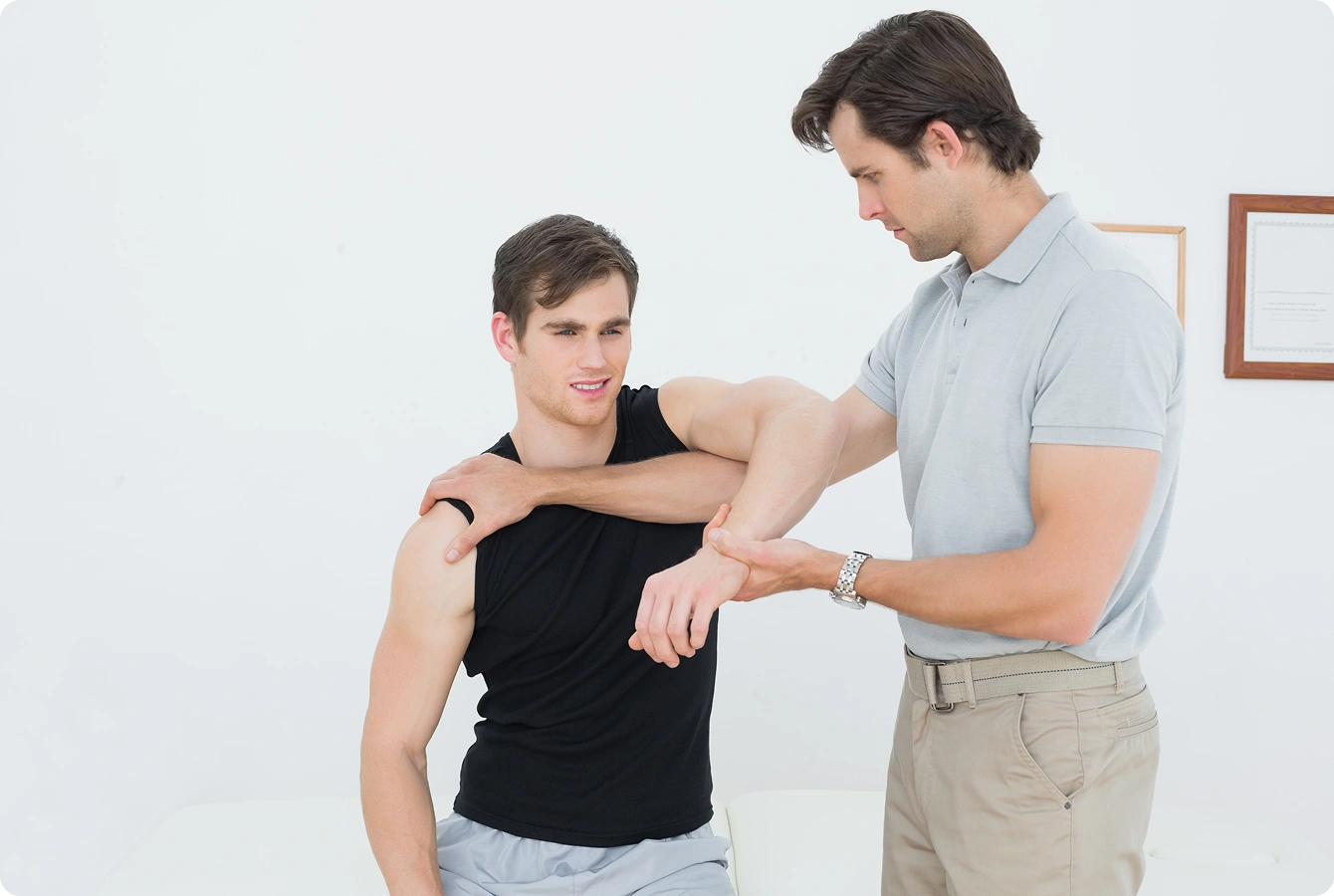
The shoulder relies heavily on soft tissue structures for stability and control. Two of the most important are the rotator cuff and the labrum, which work together to keep the arm moving smoothly and securely within the shoulder joint.
The rotator cuff is a group of four muscles and their tendons that help lift, rotate, and stabilize the arm during movement. The labrum is a ring of cartilage that lines the shoulder socket, deepening it and contributing to joint stability.
When either of these structures is irritated, overloaded, or injured, shoulder movement can become painful or feel less controlled. People may notice rotator cuff pain, weakness, clicking or popping, or a sensation of instability—especially during lifting, reaching, throwing, or overhead activity. Some rotator cuff tears or shoulder labrum tears can also develop gradually over time and may not cause symptoms right away.
This page is intended for people experiencing shoulder pain, weakness, clicking, popping, or instability who want to better understand whether rotator cuff or labral structures may be involved. It provides an overview and helps guide you toward more specific information based on how your symptoms present.
How Physical Therapy Helps Rotator Cuff And Labral Conditions
Because the rotator cuff and labrum play a key role in both movement and stability, physical therapy focuses on improving how the shoulder functions as a whole.
Care may include:
- Assessment of shoulder and shoulder blade movement
- Mobility exercises when motion is limited or uncomfortable
- Progressive strengthening of the rotator cuff and supporting muscles
- Neuromuscular control training to improve shoulder stability
- Gradual return to work, lifting, overhead activity, or sports
By improving coordination, strength, and control, physical therapy helps reduce strain on these structures and supports more efficient, confident movement. In many cases, conservative care such as physical therapy is recommended before considering more invasive options.
Common Features Of Rotator Cuff And Labral Conditions
When rotator cuff or labral structures are involved, symptoms often follow recognizable patterns related to how the shoulder moves and handles activity.
Common features may include:
- Pain with lifting, reaching, or overhead use
- Weakness or reduced endurance in the arm
- Difficulty controlling the shoulder during pushing or pulling tasks
- Symptoms that worsen with repetitive use or higher activity demands
- Shoulder clicking and popping or a sensation that the joint is not moving smoothly
- A feeling of looseness or instability (more common with labral involvement)
These features reflect how the shoulder responds when key stabilizing structures are not functioning optimally.
Symptoms You May Experience
As these movement and stability issues persist, people with rotator cuff or labral conditions may experience a range of symptoms during daily life.
Symptoms may include:
- Activity-related shoulder pain
- Pain or weakness when lifting the arm
- Difficulty with overhead movements or reaching away from the body
- Night pain or discomfort when lying on the affected side
- Clicking, popping, or catching sensations
- A feeling that the shoulder may “shift” or give way (more common with labral tears)
Because these symptoms can overlap across conditions, a movement-based evaluation is often helpful to clarify the most likely contributors.
Conditions We Treat In This Category
Each condition below has its own dedicated page with more detailed information about symptoms, common contributors, and physical therapy treatment.
Frequently Asked Questions
Rotator cuff pain is often related to irritation, overload, or reduced tendon tolerance, while a rotator cuff tear involves partial or complete disruption of tendon fibers. Symptoms can overlap, which is why clinical evaluation is important.
A shoulder labrum tear may cause deep shoulder pain, clicking or catching, or a feeling of instability. Some labral changes—especially age-related ones—may not cause noticeable symptoms.
Symptoms often overlap. A physical therapy evaluation focuses on movement, strength, and stability testing to help identify the most likely contributors, even when imaging is not immediately available.
Not always. Many rotator cuff and labral conditions can be evaluated through movement assessment and strength testing. Imaging may be considered if symptoms persist, worsen, or follow a traumatic injury.
In many cases, yes. Physical therapy is commonly used to improve shoulder function, reduce pain, and restore movement for both rotator cuff and labral conditions.
Learn More About Physical Therapy
If you’d like more information about what to expect during physical therapy, visit our Patient Resources page.
Get Started
If rotator cuff pain, weakness, clicking, popping, or activity-related shoulder symptoms are affecting your daily life, a physical therapy evaluation can help determine appropriate next steps for care.


