
 Menu
Menu

Headaches & Migraines
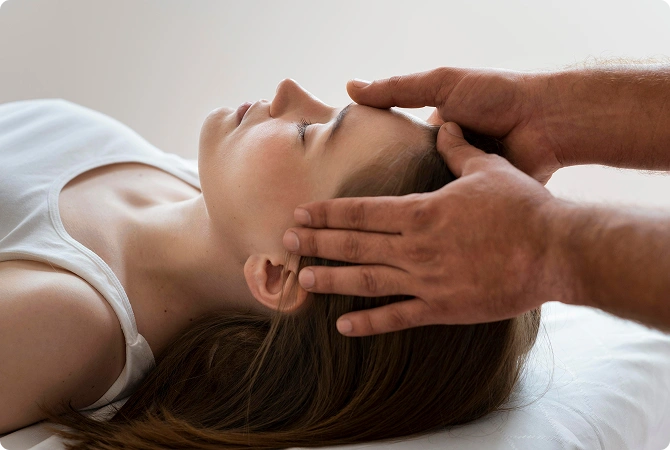
Headaches are a common but often disruptive experience that can affect focus, sleep, work, and overall quality of life. For some people, headaches feel like steady pressure or tightness around the head. For others, they involve throbbing pain, sensitivity to light or sound, or discomfort that worsens with movement or activity.
While many people experience headaches occasionally, others live with frequent or recurring headaches that interfere with daily routines. These symptoms can feel unpredictable and frustrating, especially when they don’t fit neatly into one description.
Headache patterns are often influenced by posture, stress, movement habits, sleep quality, and sensitivity to environmental factors. Physical therapy can help identify and address physical contributors that may be playing a role.
How Physical Therapy Helps
Rather than focusing on head pain alone, physical therapy looks at how the neck, upper back, jaw, and surrounding muscles support head and neck movement throughout the day. For many individuals, headaches are closely connected to muscle tension, neck stiffness, or prolonged postures, particularly during desk work, screen use, or sustained positions.
By evaluating posture, joint mobility, muscle balance, and movement habits, physical therapy can help reduce physical stress on the head and neck. Improving mobility, postural awareness, and movement efficiency may support fewer symptom flare-ups and better tolerance for daily activities over time.
Common Contributors To Headaches And Migraines
Headaches and migraines are often influenced by a combination of physical and environmental factors rather than a single cause. Common contributors may include:
- Muscle tension and postural strain: Ongoing tension in the neck, shoulders, or upper back—often related to prolonged sitting or screen use—can contribute to pressure-like or tension-related headaches.
- Neck or upper spine movement limitations: Restricted motion or mechanical strain in the cervical spine may influence headaches that begin at the base of the skull or spread toward the forehead, temples, or eyes.
- Sensitivity to internal or external factors: Stress, disrupted sleep, light, sound, or physical exertion may affect symptoms in some individuals.
Some headaches may require medical evaluation beyond physical therapy.
Symptoms You May Experience
Headaches and migraines can present in different ways. Symptoms may include:
- Tight, throbbing, pressure-like, or aching head pain
- Pain on one or both sides of the head
- Headaches that start in the neck or move toward the forehead, temples, or eyes
- Neck or upper back discomfort
- Sensitivity to light or sound
- Nausea, dizziness, or visual changes
- Difficulty concentrating or increased fatigue
- Symptoms that worsen with movement or prolonged activity
Understanding Headaches Vs. Migraines
Migraines are a specific type of headache that often involve recurring episodes and symptoms beyond head pain alone. In addition to moderate to severe pain, migraines are commonly associated with nausea, sensitivity to light or sound, and visual isturbances. Not all headaches are migraines, and not all migraines look or feel the same.
Frequently Asked Questions
Headaches often involve pressure or tension and may range from mild to moderate. Migraines are typically more intense and may include additional symptoms such as nausea, light sensitivity, or visual changes.
Headaches and migraines can be influenced by posture, muscle tension, stress, sleep habits, and sensitivity to environmental triggers. Causes often vary from person to person.
Recurring headaches may be related to ongoing physical stress, movement habits, posture, or lifestyle factors. Identifying contributing patterns can help guide appropriate care.
Migraine triggers differ for each person and may include stress, isrupted sleep, light sensitivity, certain foods, or changes in routine.
Physical therapy focuses on posture, movement, and mechanical factors that may contribute to symptoms and may help reduce headache frequency or intensity for some individuals.
Learn More About Physical Therapy
If you’re new to physical therapy or want to know what to expect, visit our Patient Resources page.
Get Started
If headaches or migraines are affecting your daily life, a physical therapy evaluation can help determine appropriate next steps for care.


