
 Menu
Menu

Spinal Stenosis
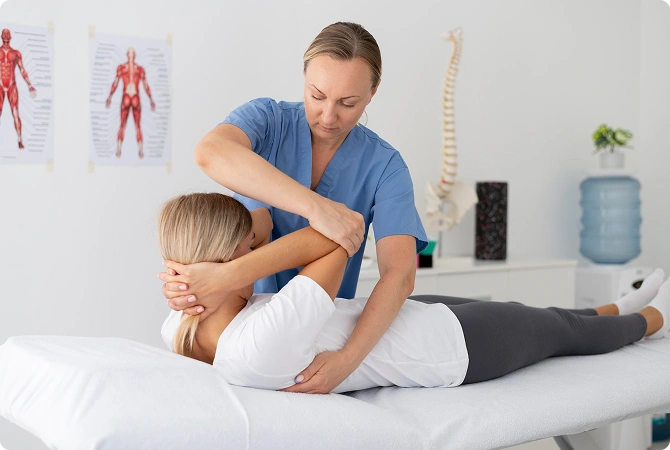
Spinal stenosis refers to a narrowing of spaces within the spine that can affect nearby nerves. It most commonly occurs in the neck or lower back and often influences how comfortable certain positions or activities feel.
Many people with spinal stenosis notice that symptoms are position-dependent. Discomfort may increase when walking or standing and improve when sitting, bending forward, or changing posture. Symptoms can fluctuate, with some days feeling manageable and others more limiting. Recognizing these patterns is an important part of understanding and managing spinal stenosis.
How Physical Therapy Supports Spinal Stenosis
Physical therapy focuses on how posture, movement, and daily activity affect symptoms. In spinal stenosis, the spine’s position and tolerance for sustained activity—especially walking or standing—often play a significant role in how symptoms are experienced.
Care is guided by identifying movement strategies and positions that reduce symptom sensitivity while improving strength, mobility, and endurance. Physical therapy aims to support safer movement, increase walking tolerance, and help people stay active with greater confidence.
Common Contributors To Spinal Stenosis Symptoms
Spinal stenosis symptoms are often influenced by a combination of factors, including:
- Narrowing within the spinal canal or nerve openings: Reduced space around nerves may increase sensitivity during certain positions or activities.
- Postural and positional factors: Upright or extended postures may increase symptoms, while flexed or supported positions may provide relief.
- Activity demands and walking tolerance: Prolonged standing or walking may lead to discomfort, heaviness, or fatigue, especially without opportunities to change position.
Symptoms You May Experience
You may notice:
- Neck or lower back discomfort
- Pain, heaviness, or fatigue in the legs or arms when walking or standing
- Numbness or tingling after walking or standing
- Symptoms that improve when sitting, bending forward, or resting
- Difficulty walking longer distances without needing to stop or sit
Frequently Asked Questions
Spinal stenosis often causes discomfort that worsens when walking or standing and improves when sitting or bending forward. Some people notice leg or arm symptoms, such as heaviness or numbness, rather than pain directly in the spine.
Walking or standing can place the spine in positions that increase sensitivity around narrowed areas. Sitting or changing posture may reduce symptoms by altering spinal position.
Sitting or bending forward can change spinal position in a way that reduces pressure on sensitive areas. This is why many people notice relief when they sit, lean forward, or take breaks during activity.
Spinal stenosis is sometimes described as a “pinched nerve,” but it refers to narrowing within the spine that can affect nerve space rather than a single compressed structure.
Not necessarily. Symptoms may remain stable, fluctuate, or improve Depending on movement habits, posture, and activity levels.
Physical therapy focuses on posture, movement strategies, strength, and endurance, which may help reduce symptoms and improve daily function for many people with spinal stenosis.
Learn More About Physical Therapy
If you’d like more information about what to expect during physical therapy, visit our Patient Resources page.
Get Started
If walking, standing, or daily activities have become more difficult due to iscomfort, heaviness, or fatigue, a physical therapy evaluation can help determine appropriate next steps for care.


