
 Menu
Menu

Neurodegenerative Disorders
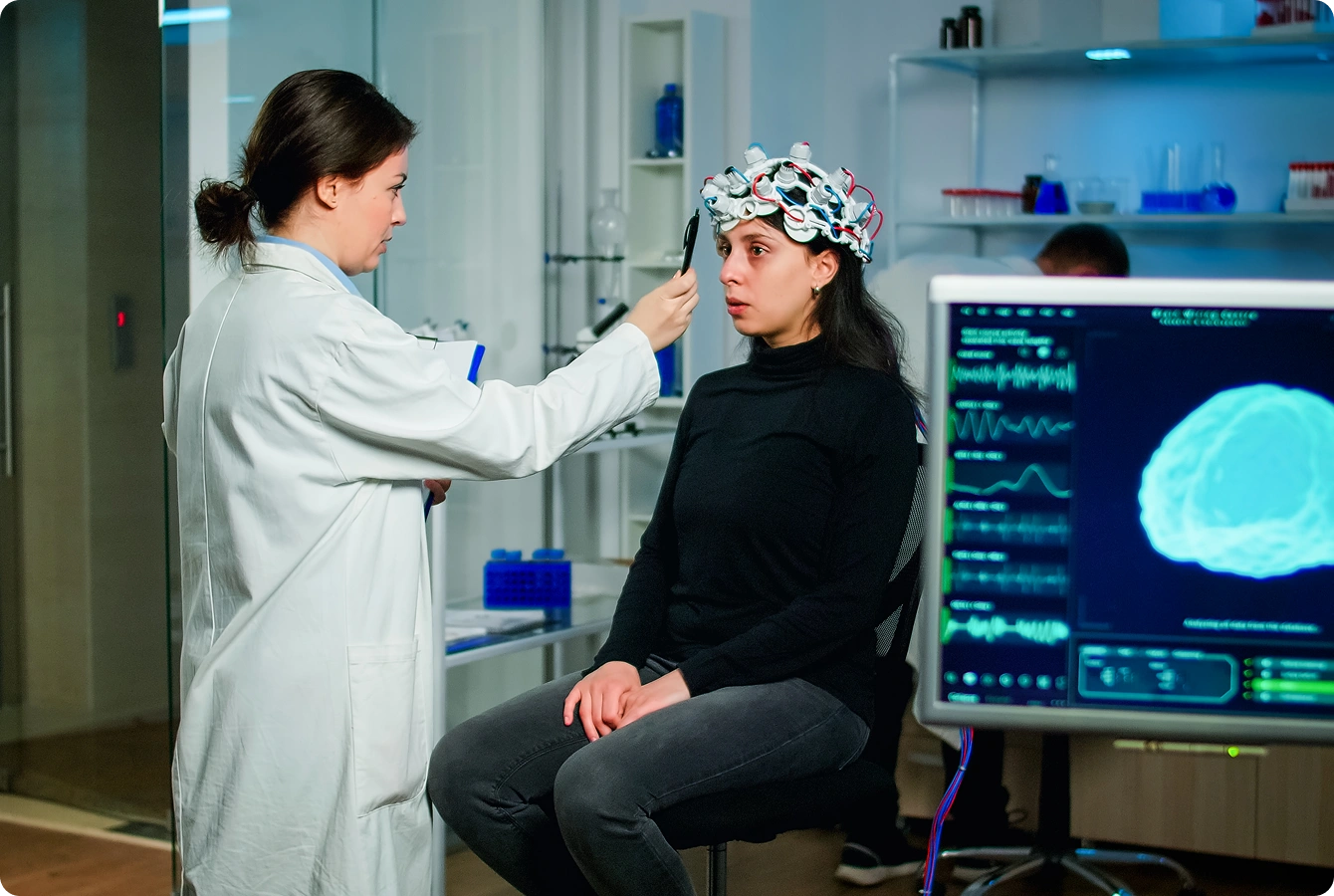
Neurodegenerative diseases are conditions that involve gradual changes in the structure or function of nerve cells in the brain or spinal cord. Over time, these changes can affect movement, coordination, speech, balance, strength, memory, and other aspects of daily life.
Unlike conditions caused by a sudden event, such as stroke, neurodegenerative diseases typically progress over time. The rate and pattern of change vary depending on the specific diagnosis and individual health factors.
Examples of neurodegenerative diseases include:
- Parkinson’s disease
- Amyotrophic lateral sclerosis (ALS)
- Huntington’s disease
As nerve signaling becomes less efficient, everyday activities may require more effort. Walking may feel slower. Balance may feel less steady. Tasks that once felt automatic may require greater concentration.
Gradual change can feel unsettling, especially when function shifts over time. While each condition follows its own trajectory, supportive rehabilitation focuses on helping individuals adapt safely and maintain control where possible.
If you are noticing progressive changes in mobility, coordination, or physical function related to a neurologic diagnosis, rehabilitation can help support safety and independence.
What Happens With Neurodegenerative Conditions?
Neurodegenerative conditions affect how the nervous system communicates with the body. As certain nerve cells lose function, movement patterns, coordination, or cognitive processes may change.
Some individuals experience subtle shifts over years. Others may notice more noticeable progression. The specific presentation depends on which areas of the nervous system are involved.
Because these conditions evolve, care focuses on preserving function rather than reversing the underlying disease process. Rehabilitation helps maintain mobility, reduce fall risk, and support continued participation in meaningful daily activities.
Care is collaborative. Physical therapy, occupational therapy, and speech-language pathology often work together when treating progressive neurologic conditions. Physical therapy may address walking and balance, occupational therapy may assist with daily tasks and adaptive strategies, and speech-language pathology may support communication or swallowing when needed. This interdisciplinary approach ensures that care addresses multiple aspects of function.
How Physical Therapy For Neurodegenerative Disease Helps
Physical therapy for neurodegenerative disease focuses on preserving mobility, improving safety, and supporting quality of life as conditions evolve.
Therapy may help by:
- Supporting walking stability
- Addressing balance changes
- Maintaining muscle strength
- Managing stiffness or rigidity
- Reducing fall risk
- Developing adaptive movement strategies
- Preserving endurance for daily tasks
Because progressive neurologic conditions can lead to secondary decline related to inactivity, structured and consistent activity plays an important role in maintaining physical capacity. Even small, consistent interventions can help preserve strength and balance longer than inactivity alone.
The goal is not to cure the underlying condition, but to help individuals remain as active, safe, and independent as possible for as long as possible.
Care plans are individualized and adjusted as needs change.
Common Features
People living with neurodegenerative conditions may experience:
- Gradual changes in coordination
- Progressive balance challenges
- Muscle weakness or stiffness
- Slower or less efficient movement
- Postural changes
- Increased fall risk
Presentation varies depending on the specific diagnosis.
Symptoms You May Experience
Symptoms may include:
- Difficulty with walking
- Changes in coordination
- Speech or swallowing changes
- Muscle rigidity or weakness
- Reduced endurance
- Cognitive changes (in certain conditions)
Severity and progression differ between individuals.
Related Conditions We Treat
Neurodegenerative diseases may include:
These conditions are part of a broader group of neurologic disorders that may benefit from rehabilitation and interdisciplinary care.
Frequently Asked Questions
Most neurodegenerative diseases are chronic and progressive. Treatment focuses on symptom management and preserving function.
Rehabilitation does not alter the underlying disease process, but structured therapy can help maintain strength, mobility, and safety, which may slow functional decline related to inactivity.
Yes. Physical therapy for neurodegenerative disease supports mobility, safety, and independence even as conditions evolve.
Early intervention can help establish baseline function and support proactive planning. Therapy can also be beneficial at later stages to address new challenges.
Appropriately guided exercise is commonly recommended to maintain strength, flexibility, balance, and overall health.
Learn More About Physical Therapy
If you’d like more information about what to expect during physical therapy, visit our Patient Resources page.
Get Started
If progressive neurologic changes are affecting your mobility, balance, or daily function, a physical therapy evaluation can help determine appropriate next steps and create a structured plan tailored to your needs.


