
 Menu
Menu

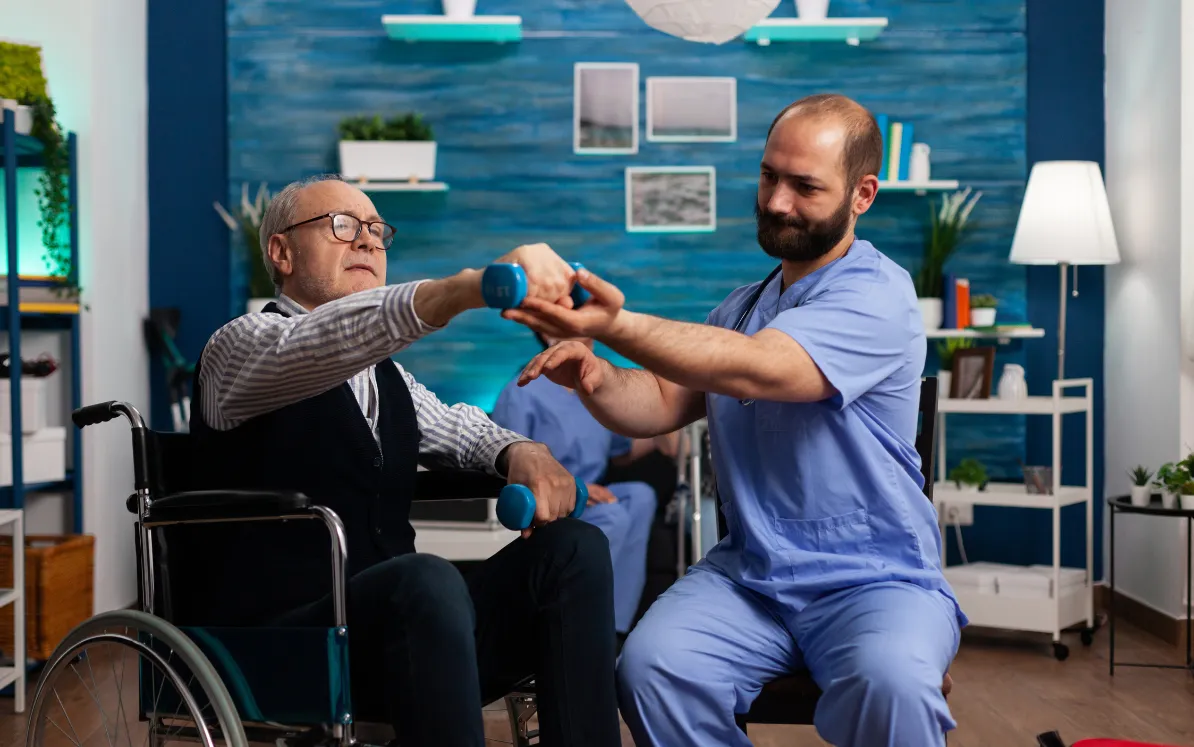
How Does Occupational Therapy Help With Pain and Mobility Recovery?
Chronic pain and loss of mobility can impact a person's daily life, such as walking, working, getting through simple household tasks, etc. Chronic pain often occurs from injuries, surgeries, neurological disorders or limitations in movement due to age. Here, occupational therapy can be the real factor that helps people restore their movement, minimise pain, and enhance their general quality of life.
Occupational therapists work to assist patients in safely and comfortably doing daily activities. By developing individual rehabilitation plans, executing targeted exercises, and implementing practical recovery strategies, therapy can contribute to quicker recovery and independence thereafter. From helping an individual get to their post-surgical room or assisting with chronic pain treatment to helping an individual with neurological issues, professional therapy services can help you make everyday life easier and more manageable.
Today, rehab clinics providing OT services in Fremont tend to use a multi-modality approach instead that accounts for the individual needs of patients while also incorporating evidence-based approaches to maximise the patient's ability to function physically and move. There are also some patients who would benefit very well from integrated programmes, which would involve physical therapy fremont california also, to enhance their recovery outcomes. At clinics like iMotion Physical Therapy Fremont, significantly customised frameworks for healing are produced to diminish ague and preventable limitations on physical mobility while fostering capability for functional independence among patients of all ages.
Understanding the Role of Occupational Therapy in Recovery
Occupational therapy works for recovering from an illness, injury, or surgery so that the person can do the things they need to do in their daily lives. Occupational therapists assess the impact of the pain and decreased movement on a person's ability to be independent and participate in their work roles and their lifestyle/institutional roles, as opposed to general rehabilitation approaches where the focus is on symptoms.
Treatment help plans are tailored to the person and may involve movement training, adaptive strategies, strengthening exercises, and mobility improvement programmes. These plans are intended to enhance desired functions and to minimise pull on muscles and joints. Strictly structured rehabilitation programmes are beneficial; patients following neurological disorders, orthopedic injuries, and mobility issues can be hugely impacted.
Professional occupational therapy Care Fremont is also beneficial for helping those who suffer from chronic diseases like arthritis, Parkinson's disease, and postsurgical recovery issues. Therapists use a variety of therapies, teaching and physio rehab techniques, to restore confidence in their motion and day-to-day activities.
How Occupational Therapy Helps Reduce Physical Pain
Occupational therapy is one of the main practice areas belonging to the alleviation of pain. Ongoing pain can make moving around less easy, make it more difficult to move about, and have a bad impact on mental health. There are several treatment techniques that occupational therapists can employ to naturally obtain a reduction of discomfort along with improvement of body function.
Therapeutic Exercises for Pain Relief
Often exercises are targeted to strengthen weaker muscles, to enhance posture, and to lessen pressure on painful joints. The exercises are carefully designed based on the patient's physical condition and recovery objectives.
Stretching exercises help to achieve muscle flexibility and increase the range of motion, whereas strengthening exercises support damaged regions and/or weak muscles. Moving-controlled routines can additionally enhance flow and ease swelling, which may lead to chronic pain.
There are rehabilitation programmes like sports injury therapy Fremont and knee replacement rehab therapy that provide exercise-based therapy for patients who are recovering from surgery or an injury. These types of therapies help bring the movement back and also diminish the pain that can be involved in recovery.
Hands-On Techniques Used in Occupational Therapy
Manual treatment techniques are a lot of pharmacists use to decrease tension and increase mobility. These techniques can involve soft tissue mobilisation and/or joint movement and lead stretching.
These are occupational therapy techniques that support loosening tight muscles, decreasing stiffness, and improving the ability to function physically. Manual therapy techniques can also increase flexibility and reduce tension on the stressed joints and muscles.
If someone continues to have pain after a work injury or because of poor posture, or is still enduring pain after a sports injury, a combination of occupational therapy with back problem relief Fremont exercises can help to substantially increase pain relief, as well as improve daily activities.
Improving Circulation and Muscle Function
Unfortunately, poor circulation and weaker muscles can play a role in causing pain and limited movement. Your occupational therapy sessions often incorporate exercise in which you are encouraged to move and increase muscle tone and/or endurance.
Better circulation promotes circulation of oxygen and nutrients to healing tissues. Muscle function is also improved, allowing for better stability and preventing unnecessarily imposed strains while moving. Balance exercises, resistance training, and low-intensity activities can be used to help build muscles safely and will be included in therapy sessions.
For patients suffering from neurological diseases, such as Parkinson's disease, special programmes such as Parkinson's physical therapy fremont might also be available that concentrate on preserving mobility, coordination, and also muscle control.
Improving Mobility Through Occupational Therapy
To prevent losing independence and being able to perform daily activities without harm, it is crucial to ensure that mobility is restored. Therapists can assist the patient in regaining confidence in their movement and increase the stability and mobility of their bodies.
Restoring Balance and Coordination
Patients with balance and coordination issues may be at risk for a fall or injury, especially older adults and neurological patients. Target activities will be used to enhance body awareness, posture and control of movement for occupational therapists.
Controlled walking patterns and stability and coordination exercises may be incorporated as part of the exercises and those activities are designed to improve the relationship between muscles and the nervous system. These techniques aid patients in being more mobile while engaging in their everyday activities.
People recovering from neurological diseases, surgery, or injuries that impact physical balance need balance-focused therapy particularly.
Increasing Joint Mobility and Flexibility
Joints may become stiff and range of motion may be limited, making it hard to do basic activities. Stretching routines and mobility techniques that contribute to the improvement of joint mobility, performed gradually and safely, are included in occupational therapy.
The regular movements promote the maintenance of proper movement patterns and make it less likely for stiffness to get worse over time. Flexibility gives a walker greater freedom of movement, posture and comfort in physical activity.
Physical therapy programs often feature occupational therapy in addition to advanced mobility therapies in the area of Mowry Avenue to help facilitate effective movement recovery and promote long-term joint health.
Supporting Safe Movement During Daily Activities
An occupational therapy profession's major objective is to enable people to carry out daily activities safely. Therapists evaluate the way patients move when performing activities like tasks such as dressing, cooking, bathing, or using the workstation and offer practical advice for minimising the risk of strain and injury.
A supportive method and/or equipment might also be suggested as an adaptation for increased safety and greater comfort. These strategies enable patients to stay independent and less prone to falling or sustaining further injuries.
Movement therapy helps individuals build their trust in their capacities to move correctly, and it gets them more involved in their daily activities.
Benefits of Occupational Therapy for Long-Term Health
Through occupational therapy, patients can experience long-term physical and emotional benefits, in addition to recovery. Regular treatment can lead to a better state of health, decrease the likelihood of further health problems, and promote an active life.
Enhancing Independence and Confidence
Being unable to move around or experiencing pain can have a negative impact on emotional health and self-confidence. Ways occupational therapy can support patients to regain independence are to make patients capable of getting through without assistance.
With mobility increasing rather, scores rise as people become more confident on the wheel. It builds confidence in people and promotes them to participate more in social interactions, work expectations, and physical activity, further enhancing overall health.
There is also emotional support from the professional rehabilitation services during rehabilitation, helping to stay motivated during the healing processes.
Preventing Recurring Pain and Mobility Problems
If not well rehabilitated, injuries and the loss of mobility can recur or increase with time. Occupational therapists teach patients to use optimal posture, body mechanics, and movement habits that decrease physical stress.
Patients are educated on how to protect and strengthen muscles and avoid re-injuring joints. For those who have undergone surgical or work-related injuries or sports-related illnesses, preventive care can be especially valuable.
Most clinics providing occupational therapy services in Fremont focus on developing a long-term rehabilitation program that helps to maintain a patient's physical well-being and prevents further complications.
Supporting Recovery for Different Age Groups
Children who have developmental delays, as well as older adults recovering from surgery or living with chronic and aged diseases, all find occupational therapy useful.
Kids might need physical therapy to enhance coordination and movement abilities, and adults frequently get physical therapy after an injury or orthopedic operation. Therapy programs designed to keep older adults strong, balanced, and independent benefit them.
Specialists like those for sports injury therapy in Fremont, neurological, or post-surgical rehabilitation can provide treatment specific to the age and physical requirements of patients.
Choosing Professional Occupational Therapy Services
Choosing a rehab facility will play a crucial role in making recovery a success. A good clinic ought to have experienced therapists, custom-made treatment plans, and total rehabilitation programs according to the various kinds of condition.
Evaluate their services in light of opportunities for integrated care, such as occupational therapy, mobility training, pain management, and physical rehabilitation programs. Treatment outcomes can be improved greatly by a modern-priced, evidence-based therapy environment.
Practices like imotion physical therapy fremont prioritise patient-specific care with tailored rehabilitation programs aimed at enhancing mobility, alleviating pain, and restoring functional ability. Patients experience improved long-term outcomes and regain a better level of function and confidence when occupational therapy and state-of-the-art rehabilitative techniques are integrated.
Conclusion
Occupational therapy is important for pain relief, injury rehabilitation, and mobility function restoration. By using a tailored treatment programme, movement training, and manual techniques, patients can recover physical strength, flexibility, and independence in their daily lives.
From post-surgery recovery to chronic pain management and beyond, professional therapy services offer much guidance and ongoing benefits for recovery. Occupational therapy promotes healthier movement and a better quality of life, whether it's helping to improve balance and coordination, preventing repeated injuries, or any other reason.
But patients are being helped by professional providers who can offer occupational therapy care in fremont, back pain relief fremont, and reconstruction therapy customised to their particular requirements in order that they can really attain lasting recovery and contentment. By employing the proper therapy method and with regular care, people can live more easily, safely, and confidently in daily life.
Frequently Asked Questions
Q1. How long does OT treatment usually last?
OT treatment duration varies depending on your condition, goals, and progress. Sessions typically continue for several weeks or months, with regular reviews to ensure effective recovery.
Q2. Is Occupational Therapy Good for Back Pain?
Yes, occupational therapy helps manage back pain through posture correction, movement training, ergonomic advice, and daily activity modifications, improving comfort, function, and long-term mobility.
Q3. How can occupational therapy help with pain?
Occupational therapy reduces pain by teaching safe movement techniques, improving body mechanics, strengthening muscles, recommending adaptive equipment, and supporting better performance in everyday activities.
Q4. What is the success rate of occupational therapy?
Occupational therapy has high success when treatment follows personalized goals, consistent participation, and professional guidance, helping many individuals improve independence, mobility, and quality of life.
Q5. What are the positive effects of occupational therapy?
Occupational therapy improves independence, reduces pain, enhances mobility, builds confidence, supports daily activities, and promotes better physical, emotional, and overall well-being.


