
 Menu

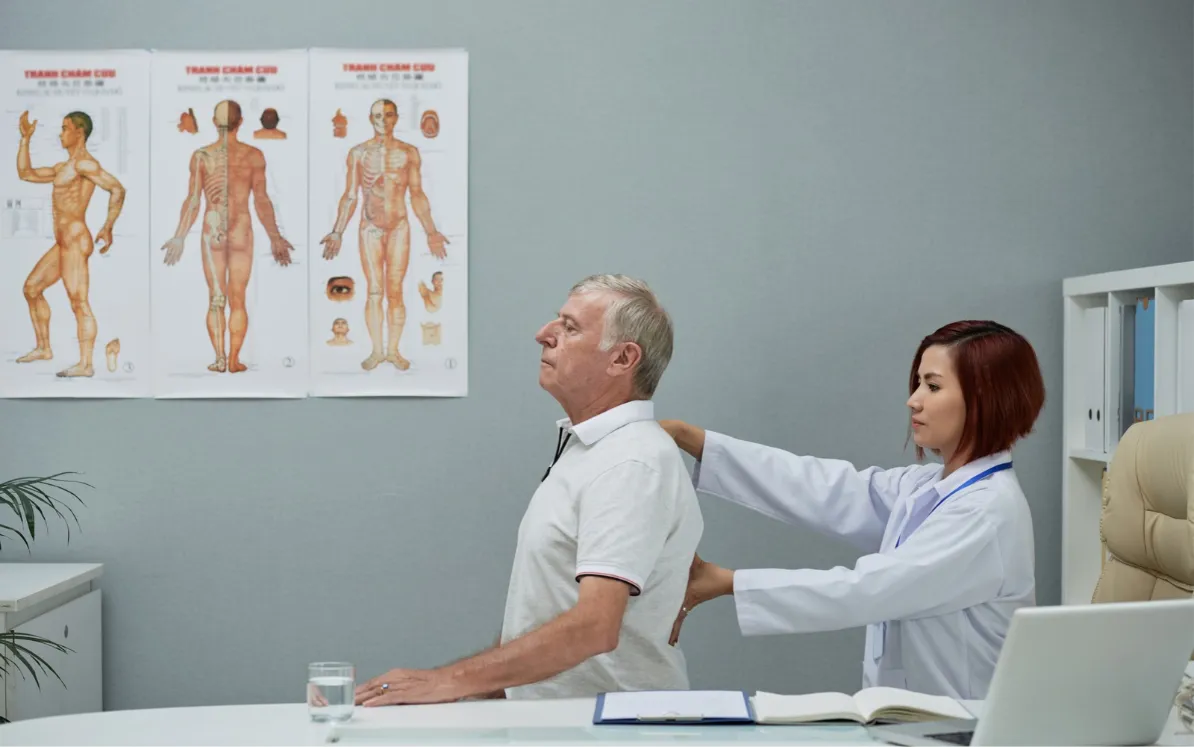
Back Pain Rehabilitation: A Step-by-Step Recovery Timeline
Low back pain is a frequent physical ailment in all age groups and for people with varying activity levels. It can be caused by poor posture, muscle strain, sitting for too long, sports injuries, and a variety of other conditions related to the back. Bending, walking, lifting objects, and sitting for a long time can be uncomfortable.
If left untreated, chronic low back pain can impact an individual's mobility, productivity or job performance, sleep quality, and general health. Back Pain Rehabilitation offers a systematic, step-by-step program to help alleviate pain, restore movement, and create a stronger body. Through the hands of a professional, with a progressive recovery program, patients may be able to resume their normal lives without repeating any issues.
A patient who is familiar with the various stages of recovery will know what to expect and why it is important to adhere to each one during recovery.
Understanding Back Pain and Why Rehabilitation Matters
Muscle strain, joint stiffness, spinal conditions, lack of core muscles, and repetitive motions are all reasons for back pain. Symbols can occur suddenly after injury, or it may be a progressive sensation of discomfort that comes as a result of extended periods of sitting or injury habits in movement that result in limited movement.
Rehabilitation involves treating the physical issues that are causing pain, instead of just symptom management. Depending on the structured program, exercises to be performed in this therapy, flexibility training, posture education, and manual therapy may take place when appropriate.
Professional rehabilitation also equips patients with the knowledge about the safe mode of action, the gradual increase of activity, and the strengthening of the spine. Treatment varies depending on the patient's symptoms, past medical and physical history, and goals for recovery.
Step 1: Initial Assessment and Identifying the Cause of Back Pain
Understanding is the initial step in rehabilitation, and it is important to understand why pain developed in the back and how it will impact movements related to the day-to-day functioning. The patient's symptoms, medical history, past injuries, activity level, and lifestyle habits are analyzed by a physical therapist.
Assessment can comprise a range of methods, including assessing mobility of the spine, muscle strength, flexibility, posture, balance, and functional movements. Patients also might be asked about things that cause pain or make it better (increasing or decreasing), like sitting, walking, bending, lifting, etc.
The recognition of such factors is important to set up an appropriate treatment plan. For instance, you can find someone who's suffering from back pain because of spending extended periods of time sitting in a chair, versus someone who's recovering from a sports injury.
It is also helpful in a detailed evaluation to find out if further medical evaluation or evaluation by a different specialist is required prior to starting rehabilitation.
Step 2: Early Pain Management and Improving Comfort
The next step will be to help reduce discomfort and make a patient feel more comfortable. Depending on the situation, gentle movement, activity modification, therapeutic exercises, and choice of hands-on treatment may be utilized.
In general, a bed rest for uncomplicated back pain is not recommended because prolonged rest can result in stiffness and reduced strength of the back muscles. Instead, patients will be encouraged to keep their activity levels comfortable based on guidance from their health care provider.
Gentle walking or supported stretching or controlled mobility exercises may begin in the therapist's presence. Heat or cold treatment can also be soothing, if appropriate.
The main effort is to develop tolerance of all daily activities without exacerbating signs/symptoms. Treatment should be sufficiently intense based upon the patient's condition and increase as comfort progresses.
Step 3: Restoring Flexibility and Back Mobility
After the initial pain starts to feel better, rehabilitation can focus more on getting flexibility and mobility back into the spine. Difficulty bending, turning, reaching, and walking can be present due to back stiffness, especially after resting.
Therapeutic stretching and controlled mobility exercises can help to improve restrictions within the surrounding muscles and joints. Since the lower back and hips, as well as the hamstrings and other muscles around them, move together in daily activities, these muscles can be exercised.
Manual therapy techniques could also be included if clinically indicated to address specific joint and soft tissue restrictions. A physical therapist assists patients in the movement that allows them to move comfortably without overstressing sensitive areas.
With routine, the patients learn how to control their movement, and they start to do more things that they don't find difficult.
Step 4: Building Core Strength and Back Stability
Core strength is a vital component of back rehabilitation, and its development is important for long-term recovery. The abdominal, pelvic, and back muscles contribute to supporting the trunk and assisting in controlling movement over the range of daily activities.
If these muscles run out of endurance or lose coordination, some of these motions put more stress on the back. Pelvic tilts, abdominal bracing exercises, modified bridges, and subtle foot and leg moves may be part of a rehabilitation program.
The exercises were chosen based on the patient's physical capabilities and gradually increased. As with all exercises, good technique is essential, otherwise exercises may cause symptoms to exacerbate if using incorrect technique or putting in too much resistance.
The muscles should become more efficient and the spine more stable to help improve lifting, walking, standing, and seating abilities, etc., throughout the day.
Step 5: Returning to Everyday Activities and Functional Movement
Once strength, flexibility, and tolerance of movement are restored, rehabilitation moves towards functional activities. The goal is to get the patient to use what has been accomplished in their exercise program in their daily life outside of the gym.
Functional training can involve safe lifting, walking further distances, stair and chair rise, standing up from a sitting position, and controlled bending.
In addition, patients who work for long periods of time might benefit from advice on how to properly position their workstation, how to take breaks from work, and proper seating. Some individuals in the sports or physically active sector who have suffered an injury may need activity-specific training before re-entering their normal work routines.
This is a stepped replacement to re-establish confidence and will ease the transition to the physical rigors of normal life.
Step 6: Long-Term Back Pain Prevention and Maintenance
The latter part is aimed at the continued improvement and minimization of the risk of reoccurrence. While rehab can help you become stronger and mobile, so too will the way you live your life every day and your level of physical activity.
Patients should have an appropriate exercise regime, not hang in one position for too long, and use appropriate lifting techniques. Walking, weight training, and flexing exercises can also keep your body healthy.
Individual-specific home exercise programme can be recommended by the therapist. Patients need to be aware of the changes in symptoms and when professional re-evaluation might be needed for changes in activities.
Routine care may help to maintain functional changes and promote an active lifestyle.
How Long Does Back Pain Rehabilitation Usually Take?
It may take anywhere from a few days to months to recover from back pain, depending on the cause, the severity of symptoms, health status, level of physical activity, and how the patient responds to treatment. For people who have mild muscle pain, symptoms resolve within a couple of weeks, but if the muscle problems are continuing or complicated, your symptoms may last longer and need an extended rehabilitation program.
Patients following surgery or trauma that is more severe might require months of progressive rehabilitation. There may be times when symptoms become worse or when symptoms clear up and then return, but this does not mean that treatment is not working.
Ongoing evaluations provide evidence for effective progress in the program. The patient should have a focus on not only the ‘date of recovery' but also on what has improved in terms of movement, strength, activity tolerated, and how it makes them feel through their day.
How Physical Therapy Supports Each Stage of Back Pain Recovery
Physical therapy offers support by a professional guidance all the way from recovery. Services may be therapeutic exercise, manual therapy, mobility training, posture education, and others as clinically appropriate.
Individualized care can be helpful for patients looking for physical therapy solutions in San Jose, California, that target their motion restrictions and useful purposes. A trained and qualified physical therapist in San Jose, CA, can check symptoms, suggest appropriate exercises, keep you on track with progress, and tailor therapy as you heal.
If patients need physical care in San Jose, California, our rehabilitation services can offer structured support to return to work, to the home, and to countless other recreational movements.
Other services include the ability for rehabilitation firms to suit unique patient needs, create lasting patient relationships, and offer worthwhile, community-provided healthcare support for patients. Local clinics can also benefit from providing educational materials and making their services accessible through comprehensive educative content.
When Should You Seek Professional Help for Back Pain?
When back pain will not go away, it keeps coming back; it is making it harder to get around, or it keeps you from sleeping. It is best to see a professional. An assessment is recommended for any person with discomfort following an injury, or for whom there is discomfort that has not improved after following proper self-care instructions.
A few symptoms will need immediate medical care. They are, for example, changes in bladder or bowel function, numbness around the groin or saddle, and progressive weakness in the legs. A backache that is associated with fever, weight loss, or past major trauma should also be quickly assessed.
Early diagnosis may assist in determining if there is a concern or possible treatment that should be pursued.
Conclusion
Rehabilitation of back pain is an ongoing process that takes time, in which the goal is to educate the patient about their ailments, create greater comfort, restore mobility, rebuild strength, and maintain long-term health. All the stages are designed to aid in regaining confidence and returning to daily functioning.
Individuals can work towards better movement and improved function through appropriate lifestyle changes, consistency of exercise, and a professional guide. A guided physical therapy program in San Jose can offer the help necessary to control back pain and ensure ongoing progress in recovery.
Frequently Asked Questions
Q1. How long does back pain rehabilitation usually take?
Back pain rehabilitation typically takes a few weeks to several months, depending on injury severity, individual health, and treatment consistency.
Q2. What are the stages of recovery from back pain?
Recovery generally involves pain relief, restoring mobility, rebuilding muscle strength, and gradually returning to normal daily activities.
Q3. What exercises help strengthen the back during rehabilitation?
Gentle stretching, pelvic tilts, bridges, bird-dogs, and core-strengthening exercises can improve back stability and support recovery.
Q4. Can physical therapy help speed up back pain recovery?
Yes, physical therapy improves mobility, strengthens supporting muscles, reduces discomfort, and promotes safer recovery through personalized exercises and guidance.
Q5. Is walking beneficial during back pain rehabilitation?
Yes, walking encourages circulation, reduces stiffness, maintains mobility, and supports recovery when performed gently within comfortable limits.


