
 Menu

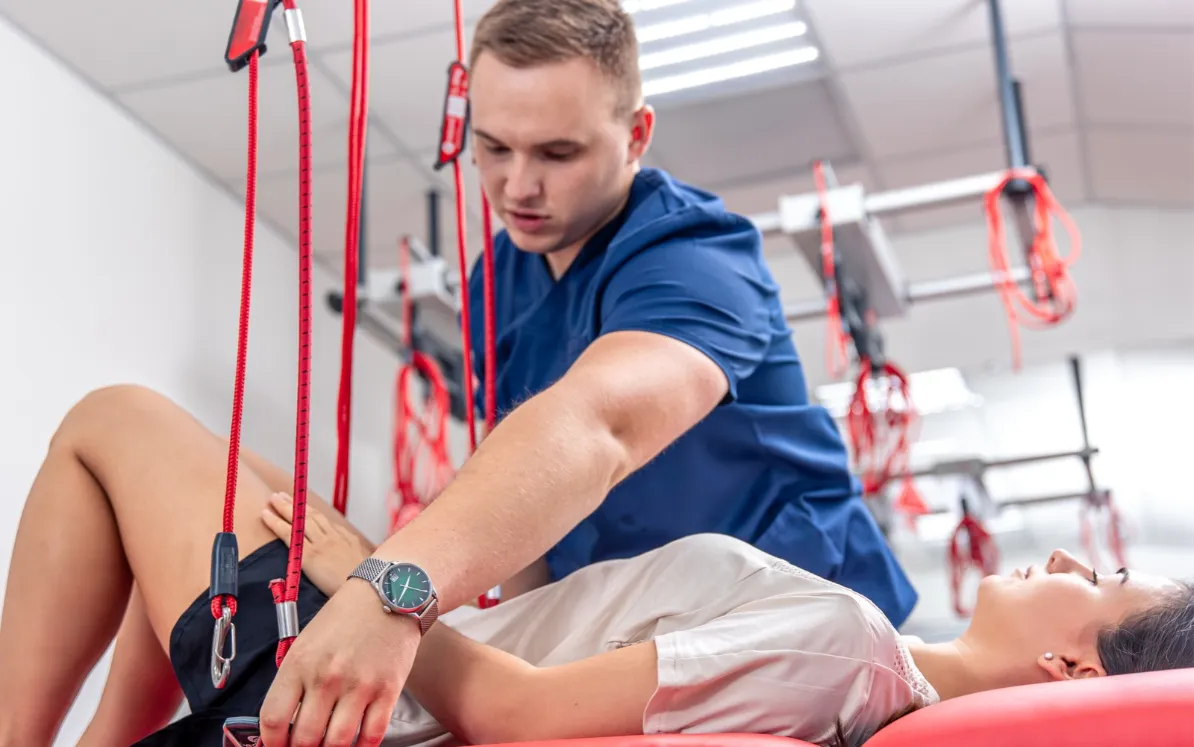
Sports Injury Therapy in Fremont: When to Rest and When to See a PT
Sports injuries can affect anyone, from professional athletes and regular gym members to individuals who enjoy running, cycling, or playing recreational sports. Muscle soreness, joint discomfort, and movement restrictions can interfere with training routines and everyday activities. While some minor injuries improve with rest and basic self-care, others require professional attention to prevent further complications and support proper recovery.
Knowing when to rest and when to seek professional treatment is an important part of managing sports injuries. Ignoring persistent pain or returning to physical activity too quickly can increase the risk of reinjury. Sports Injury Therapy in Fremont provides an organized approach to recovery through injury assessment, therapeutic exercises, and specialized rehabilitation techniques. Understanding the available treatment options can help individuals make informed decisions about their recovery and return to physical activity safely.
Understanding Common Sports Injuries and Their Causes
Sports injuries commonly occur because of sudden movements, excessive training, poor movement mechanics, or insufficient recovery between activities. Muscle strains develop when muscle fibers are overstretched or torn, while ligament sprains occur when the tissues connecting bones are stretched beyond their normal limits.
Other common problems include knee injuries, shoulder strains, ankle sprains, and tendon-related conditions. Repetitive activities such as running, jumping, and throwing can place repeated stress on joints and surrounding tissues. Inadequate warm-ups, improper equipment, and sudden increases in exercise intensity may also contribute to injury.
Understanding the cause of an injury helps determine the most appropriate recovery approach. Some conditions respond well to temporary activity modification, while others benefit from a structured rehabilitation program.
When Is Rest Enough to Recover From a Sports Injury?
Rest can be helpful when dealing with mild muscle soreness or minor injuries that do not significantly affect normal movement. After unfamiliar or intense exercise, temporary muscle soreness may develop and gradually improve with appropriate recovery.
For minor strains, reducing the activity that causes discomfort can help prevent additional irritation. Applying ice when appropriate, maintaining comfortable movement and allowing sufficient recovery time may also help manage early symptoms.
However, rest does not mean avoiding all movement indefinitely. Prolonged inactivity can contribute to muscle weakness, joint stiffness, and reduced physical conditioning. Gradually returning to comfortable activities is often more beneficial than remaining inactive for extended periods.
If pain continues despite activity modification, becomes more intense or repeatedly returns during exercise, professional evaluation is recommended. Severe swelling, visible deformity, an inability to bear weight, numbness, or suspected fractures require prompt medical assessment rather than relying on rest alone.
Warning Signs That You Should See a Physical Therapist
Certain symptoms indicate that an injury may require professional rehabilitation. Persistent pain that interferes with walking, running, lifting, or climbing stairs should not be ignored. Restricted joint movement, recurring swelling, and noticeable muscle weakness may also suggest that recovery is not progressing as expected.
Another important warning sign is repeated injury in the same area. For example, an athlete who frequently experiences ankle sprains may have underlying balance, strength, or stability problems that need attention.
Difficulty returning to previous activity levels is another reason to seek professional guidance. A qualified clinician can assess movement patterns, identify physical limitations, and recommend appropriate treatment. Early intervention may help address contributing factors before they develop into longer-term problems.
How Sports Injury Therapy Supports the Recovery Process
Sports injury rehabilitation focuses on reducing movement limitations, restoring physical function, and helping individuals return to their preferred activities. Treatment is adapted according to the injury, symptoms, physical abilities, and recovery goals.
Initial Injury Assessment and Movement Evaluation
An initial assessment helps establish the nature and extent of the movement problem. A physical therapist may review the injury history, pain levels, joint mobility, muscle strength, balance, and functional movement.
Activities such as walking, squatting, reaching, or changing direction may be evaluated when appropriate. These observations help identify weaknesses or movement restrictions that could affect recovery. Assessment findings are then used to develop an individual treatment plan.
Manual Therapy for Pain and Mobility Improvement
Manual therapy involves hands-on techniques designed to address selected joint and soft tissue restrictions. Depending on the injury, treatment may include joint mobilization and soft tissue techniques to improve comfortable movement and reduce stiffness.
For athletes experiencing restricted joint mobility, appropriate manual techniques may make it easier to participate in strengthening and movement exercises. Treatment should always be selected according to clinical findings and combined with active rehabilitation.
Therapeutic Exercises for Strength and Stability
Therapeutic exercises help rebuild muscle strength, flexibility, balance, and coordination following an injury. Depending on individual requirements, programs may include controlled strengthening, stretching, stability exercises, and functional movement training.
For example, someone recovering from an ankle sprain may need exercises that improve calf strength, balance, and ankle control. Gradually increasing exercise difficulty helps prepare the body for everyday activities and more demanding sports movements.
Sports-Specific Rehabilitation for Functional Recovery
Returning to sport requires more than simply reducing pain. Athletes need sufficient strength, coordination, endurance, and confidence to perform movements associated with their activities.
Sports-specific rehabilitation may include running drills, jumping, landing, directional changes, and controlled agility exercises. These activities are introduced progressively according to recovery milestones and the individual's tolerance.
This approach helps patients practice movements similar to those required during training and competition before returning to unrestricted participation.
Advanced Therapy Techniques for Sports Injury Recovery
Certain advanced treatment methods may complement traditional rehabilitation when clinically appropriate. These can include electrical stimulation, therapeutic ultrasound, laser therapy, and shockwave therapy.
For example, electrical stimulation may be used to support muscle activation in selected cases, while shockwave therapy may be considered for certain persistent tendon conditions. These interventions are not suitable for every injury and should be selected following an appropriate assessment.
Combining suitable treatment techniques with exercise-based rehabilitation can help address different aspects of recovery while keeping functional improvement as the primary goal.
Common Sports Injuries That May Require Physical Therapy
Different sports injuries affect the body in different ways. Identifying the affected structures and understanding how the injury influences movement helps determine the most suitable rehabilitation approach.
Muscle Strains and Ligament Sprains
Muscle strains and ligament sprains frequently occur during running, jumping, lifting, and sudden changes in direction. Symptoms may include tenderness, swelling, reduced strength, and discomfort during movement. Rehabilitation can focus on restoring flexibility, rebuilding strength, and improving movement control before returning to demanding activities.
Knee Injuries and Ligament Problems
Knee injuries may involve ligaments, tendons, cartilage, or surrounding muscles. Activities involving twisting, jumping, and sudden stops can place considerable stress on the knee. Physical therapy may help improve quadriceps and hamstring strength, joint stability, and functional movement following an appropriate assessment.
Shoulder Injuries and Rotator Cuff Strains
Overhead sports such as swimming, tennis, and baseball can place repeated stress on the shoulder. Rotator cuff injuries may cause pain, weakness, and difficulty lifting the arm. Rehabilitation often focuses on shoulder mobility, muscular strength, and controlled movement to support daily activities and sporting performance.
Ankle Sprains and Recurrent Instability
Ankle sprains commonly happen when the foot rolls unexpectedly during physical activity. Repeated sprains may contribute to instability and reduced confidence when running or changing direction. Balance training, strengthening, and controlled movement exercises can help improve ankle stability and reduce the risk of future injuries.
Rest vs Physical Therapy: Understanding the Right Recovery Approach
Rest and physical therapy serve different but complementary purposes during injury recovery. Rest helps reduce excessive stress on injured tissues, particularly during the early stages of certain injuries. Physical therapy focuses on restoring movement, strength, and functional ability as recovery progresses.
The appropriate balance depends on injury severity, tissue healing, and individual symptoms. Continuing intense activity despite pain may worsen an injury, while avoiding movement for too long can reduce physical conditioning.
A professional rehabilitation plan helps determine when to modify activity, introduce exercises, and gradually increase training demands. Returning to sport should be based on functional recovery rather than simply waiting until pain disappears.
Finding the Right Sports Injury Therapy in Fremont
Choosing an appropriate rehabilitation provider is an important step towards effective recovery. Patients should consider the clinic's experience, treatment options, assessment process, and ability to develop individualized rehabilitation plans.
When looking for sports injury therapy in Fremont, individuals should seek qualified professionals who understand sports-related conditions and can guide recovery through appropriate exercises and treatment techniques. Consulting a physiotherapist in Fremont, CA can help patients identify movement limitations and understand their rehabilitation requirements.
A professional physical therapy clinic in Fremont, CA, may offer services such as orthopedic rehabilitation, manual therapy, therapeutic exercise, and advanced treatment options. Access to these services can benefit athletes, recreational sports participants, and working individuals who want to maintain physical function.
For rehabilitation businesses, providing specialized sports injury services can strengthen community relationships, improve patient engagement, and support long-term business growth. Clear information about available treatments also helps patients understand their options and make informed healthcare decisions. Choosing a provider offering physical therapy in Fremont, California, with a patient-focused approach can make the rehabilitation process more organized and goal-oriented.
Conclusion
Knowing when to rest and when to seek professional treatment can make an important difference in sports injury recovery. While minor discomfort may improve with temporary activity modification, persistent pain, restricted movement, weakness, and recurring injuries often require professional evaluation.
Sports injury rehabilitation combines individual assessment, manual therapy, therapeutic exercises, and sports-specific training to support a gradual return to physical activity. With appropriate guidance and consistent participation, individuals can work towards improved strength, stability, mobility, and confidence. Choosing qualified rehabilitation support in Fremont can help patients take practical steps towards recovery and a safer return to the activities they enjoy.
Frequently Asked Questions
Q1. When should you see a physical therapist for a sports injury?
Consult a physical therapist when pain, swelling, limited movement, or difficulty performing daily activities persists after a sports injury.
Q2. How do you know if a sports injury needs rest or professional treatment?
Mild soreness may improve with rest, but persistent pain, swelling, bruising, instability, or restricted movement requires professional evaluation.
Q3. Can physical therapy help speed up sports injury recovery?
Yes, physical therapy supports faster recovery through personalised exercises, pain management, mobility training, and strength-building techniques that restore normal function.
Q4. What are the most common sports injuries treated with physical therapy?
Common sports injuries include sprains, strains, ligament tears, tendon injuries, runner's knee, tennis elbow, shoulder injuries, and muscle tears.
Q5. How long does it take to recover from a sports injury?
Recovery varies depending on injury severity, ranging from a few weeks for minor injuries to several months for serious conditions.


