
 Menu
Menu

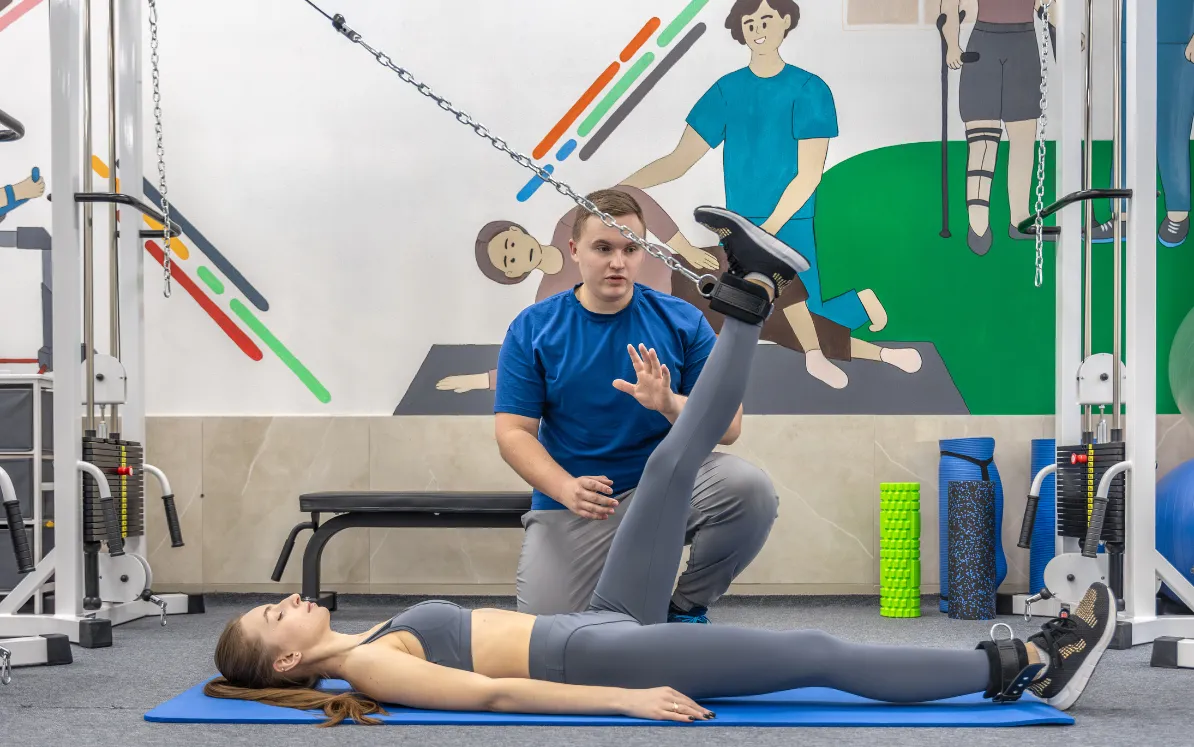
How Sports Physical Therapy Helps Athletes Return to Peak Performance Faster
From sports professionals and amateur sports to having an active lifestyle, athletes constantly push their bodies to their limit every day to perform at the best possible level. There is a physical aspect to sport that can lead to potentially higher rates of injury, in addition to training and commitment. Whether it's an injury involving muscles, ligaments, or joints or after surgery, it can hinder the progress and impact the overall performance. Recovering properly is just as crucial as training effectively, and sports physical therapy is vital to this aspect.
Sports rehabilitation isn't just about relieving pain. It concentrates on reducing the source of injury, getting it back on the move and building strength, without the need to delay the transition out of training until the injury has healed. Sports physical therapists integrate proven rehabilitation methods with individualization to develop recovery programmes that are uniquely suited for the athlete's sport, fitness level and long-term rehabilitation goals.
For businesses, sports organisations, fitness centres, and healthcare providers, professional rehab services offer a way to enhance the efficiency of patient or client recovery while significantly mitigating the risk of secondary injuries and delivering high levels of service satisfaction, ultimately boosting the physical health of their clients or employees. Structured therapy works to provide safe and desired results and recovery that help people maintain their mobility and continue life after sports injuries, injury rehabilitation, back pain therapy and rehabilitation or surgery.
What Is Sports Physical Therapy?
Sports physical therapy includes a specific subset of physical therapy in which the prevention, diagnosis, treatment and management of injuries related to physical activity and sports participation are a major focus of the practice. Sports physical therapy looks at the sports' particular and specific movements and physical and performance demands of each sport, involving them in any treatment. In sports physical therapy, movements and the physical and performance demands of sports will be taken into account as opposed to regular rehabilitation.
Physical therapists assess muscle imbalances, limitations in flexibility, stability of the joints, movement patterns, and biomechanics before designing a treatment plan to address each individual's needs. Each rehab programme is tailored for the return to function and to the requirements of competition.
Manual therapy, therapeutic exercise, mobility training, neuromuscular re-education, functional movement correction, sport-specific drills and injury prevention strategies may be a part of treatment. Further, sports rehabilitation will be beneficial for patients recovering from interventions like rehab therapy for knee replacement, where they can recover strength, mobility, and confidence in physical exercise.
In fact, contemporary rehabilitation clinics will offer multidisciplinary services alongside sports therapy treatments such as back pain rehabilitation, neurological rehabilitation, or even dedicated programmes like LSVT BIG and LOUD, which specialise in neurological movement disorders, to show just how extensive the know-how is within professional rehab.
How Sports Physical Therapy Speeds Up Recovery
Personalised Assessment and Treatment Plans
Athletes are unique individuals and will need treatment based on their individual experiences. Recovery is affected by many different factors such as fitness level, age, medical history, type of exercise performed and the discipline of the sport. Sports physical therapists first evaluate the cause of pain and not just its symptoms.
Thereafter, therapists make a structured plan for therapy that moves through different stages of recovery. Programs progress as healing takes place; some exercises are challenging; those that are healing may be protected. This individualized management will decrease sidelines delays and enable athletes to get back in practice quicker.
Pain Management Without Heavy Reliance on Medication
Mobility, confidence and rehabilitation problems can be severely impacted by pain. The goal of sports PT is to minimize pain by employing effective treatment methods rather than going overboard on medication.
A combination of hands-on manual therapy, soft tissue mobilization, correction of exercises, stretching protocols and retraining movement patterns also helps to reduce pain. These conservative treatment options provide athletes the option to have a natural approach to the treatment and enhance the body's natural healing mechanisms.
Athletes with chronic conditions, back discomfort, or muscle tightness tend to gain from specific training programs focused on rehabilitation of back pain in Fremont. Individuals seeking back pain treatment in Fremont are customized for rehabilitation to restore a balanced, comfortable way to move and function in everyday life.
Restoring Strength, Flexibility, and Mobility
The muscles are often weak and the joints become inflexible, and free range of movement is lost. If left untreated, these areas are susceptible to future injury and decreased performance ability for athletes.
Sports physios slowly progress strengthening, flexibility and mobility programs to build up the physical capacity of the athlete in a safe manner. Rehabilitation is not just about the injured muscles; it's about the surrounding structures as well, to promote balanced retraining of movement.
Progressive strengthening is particularly effective with patients who need physio after surgery such as knee replacement rehabilitation therapy, helping to build walking, balance, and endurance and thereby get them ready for increased activity.
Improving Balance, Stability, and Coordination
Correctly controlling the body is essential to successful athletic performance. Post-injury, stability, balance and coordination can become compromised, which increases the risk of re-injury.
Incorporating movements that enhance neuromuscular control, sports rehabilitation involves proprioceptive exercises, balance training, agility training, reaction exercises, and sport-specific movement patterns to regain neuromuscular control. These exercises allow the athlete to develop and understand how to move while helping to increase their overall athletic efficiency.
Better coordination not only leads to better performance but also to injury prevention, as the body is able to react in a healthy way with challenging sports movements.
Benefits of Sports Physical Therapy for Athletes
Faster Return to Training and Competition
Sports physical therapy is known for its inherent benefit of helping patients recover quickly from injuries in a safe way. Pain ought to be gone. Rehabilitation aims to achieve healing through controlled activity and progressive function training.
Therapists track milestones of recovery, make changes as necessary, and make sure that athletes reconnect with the strength and mobility side training expectations prior to returning to the game. This evidence-driven strategy will minimize avoidable downtime while maintaining health.
Reduced Risk of Re-Injury
Early return to sport or perhaps rehabilitation that never finishes the rehabilitation process can substantially improve the likelihood of repeat injuries. Early return to sport, and/or incomplete rehabilitation, can substantially raise the potential risk for repeat injury. Sports physical therapy focuses on the physiologic and movement limitations, muscular problems, and flexibility deficits that frequently lead to recurring issues.
Rehabilitation assists athletes to become healthier during their athletic careers by focused correction of movement patterns and enhancing their physical resilience, which ultimately helps to diminish or eliminate treatment needs.
Enhanced Athletic Performance
Rehabilitation from injuries is not the only kind of sports rehabilitation. Physical therapy is used in a proactive way by many athletes to maximize their performance, build strength, build flexibility, access their potential and optimize efficiency in their movements.
Therapists examine the biomechanics of functional movement, posture and coordination of muscles to determine areas requiring improvements. Having greater mobility, balance, power and endurance helps to improve athletic performance in many areas of sports.
Increased Confidence and Mental Readiness
Usually a complete recovery from an injury does not take place merely following the physical aspect. Numerous athletes experience feelings of anxiety when it concerns returning to training as well as worrying about sustaining the very same injury.
Meetings occur on a structured schedule for measurable progress, professional advice, and supervised exercise progression, all of which allow the athlete to build his/her confidence in his/her motion skills. The stronger an athlete is and can move more easily, the more mentally ready they are for safe competition with less fear and more motivation.
The overall benefits of this complete system are to be gained by participation as a recreational sport and competition and non-competition participants suffering from various ailments. Even Parkinson's physical therapy in Murrieta, CA, can be specialized rehabilitation, including the programs offered by therapists for Parkinson's disease, LSVT BIG and LOUD.
Why Choose Professional Sports Physical Therapy Services?
Professional sports physical therapy services integrate the expertise of the physical therapist with personalized treatment plans to provide safety, efficiency, and quantifiable recovery results. Pro seasoned therapists are aware of the particular physical calls for various kinds of sports and compile treatment programs that are designed to match the specific performance targets of each and every athlete.
The modern-day physical therapy centers in Fremont, California, are offering a wide variety of facilities that include injury prevention, post-injury rehabilitation, sports performance boost, mobility training, manual therapy, neurological rehabilitation, and chronic pain treatment. Skills provided with sports injury clinic services can evaluate immediate injuries rapidly and athletes can start treating injured parts before complications.
Healthcare providers, employers, and fitness and sports clubs benefit through collaboration with the rehabilitation professionals, as it helps create better patient results, maintain a healthy workforce, decrease recovery times, and increase patient satisfaction. Companies can take advantage of access to evidence-based rehabilitation that promotes healthier, more active towns and communities and fortifies their long-term partnerships with patients and athletes.
Conclusion
Getting better from a sports injury is much more of a process than rest alone. To achieve the best rehabilitation, you need a thorough assessment, an individualized treatment plan, gradual progression, and thoughtful preparation for returning to sports. Sports physical therapy enables athletes to recover professionally and successfully, enter the physical world in full force and return to their sport confidently.
The outcomes of sports physical therapy are far beyond recovery, positively impacting on the body's pain, strength, and coordination while also preventing future injuries. A sports injuries clinic, for instance, or specialized sports injury therapy fremont, physical therapy Fremont, California, or even back pain rehabilitation or recovery following knee replacement rehab therapy all benefit from a professional rehab to help the athlete heal sooner and excel in athletic performance for years to come.
Opting for the specialized physical therapy provided by a sports physical therapy company is an investment in the individual's performance, health, and injury prevention. A combination of evidence-based rehabilitation and personalized care allows athletes to overcome setbacks, return to competition earlier and maintain peak performance for a healthier and more active future.
Frequently Asked Questions
Q1. How does physical therapy help athletes?
Physical therapy helps athletes recover faster, reduce pain, improve mobility, restore strength, prevent future injuries, and safely return to training and competitive sports.
Q2. What are the 5 types of physical therapy?
The five common types include orthopaedic, sports, neurological, pediatric, and geriatric physical therapy, each focusing on specific conditions and rehabilitation goals.
Q3. What exercises are commonly used in sports physical therapy?
Sports physical therapy commonly includes stretching, strengthening, balance training, flexibility exercises, mobility drills, and sport-specific movements to restore function and prevent reinjury.
Q4. What types of sports injuries can physical therapy treat?
Physical therapy treats sprains, strains, ligament injuries, tendonitis, fractures, rotator cuff injuries, knee injuries, ankle injuries, and post-surgical rehabilitation effectively.
Q5. How long does sports physical therapy take to show results?
Many patients notice improvement within two to six weeks, although recovery time depends on injury severity, treatment consistency, overall health, and rehabilitation goals.


