
 Menu
Menu

What Causes Neck Pain and How Physical Therapy Can Treat It Effectively
Neck pain is a frequently occurring complaint with people of all ages and activity levels. It can happen over time due to bad posture or spending long periods viewing screens, or it can also appear suddenly after an injury. Some individuals experience neck pain as a temporary problem, while others may have chronic neck pain or stiffness limiting mobility and often accompanied by headaches or pain that interferes with daily activities.
It's crucial to gain insight into the root of the neck pain causes to select the best treatment options. Physical therapy can assist with determining the causes behind discomfort and initiate a personally designed plan through mobility, strength, posture and the control of movements. Professional treatment can focus on the physical factors that can cause a recurring issue, rather than just on the symptoms.
Understanding Neck Pain and Why It Happens
The neck has vertebrae and muscles which interrelate with joints and ligaments, nerves, etc. to provide support for the head and movement. The neck can become involved in tasks like looking, turning, lifting and maintaining postures and is a risk from repetitive stress or injury.
Muscle strain, poor sitting posture, long hours on computers and cell phones, awkward sleeping positions (twisted or lying face forward), and repetitive movement are common causes of neck pain. Sudden injuries or road accidents, sports injuries, and falls can also lead to neck problems. As the joints or discs also age, they can cause stiffness and pain as well.
Sometimes diet and lifestyle also feature. Keeping exercises held for a longer period of time at a desk without changing position may cause prolonged strain on the neck and upper back. Loss of supporting muscles can also impact the mechanics of the movement, as can decreased flexibility, which can make some things easier.
There are many factors to take into consideration when making a decision for treating neck pain, and it is incorrect to presume that all neck pains should be treated the same way.
How Physical Therapy Can Treat Neck Pain
Physical therapy employs specific methods to maximise movement, minimise physical limitation and make the body function efficiently. A treatment course is typically modified based on symptoms, body exam and personal goals.
Personalised Assessment and Treatment Planning
The physical therapist starts by assessing the factors, including back and neck movement, muscle strength, posture, flexibility, coordination and functional limitations. The assessment should be able to shed light on moving patterns or activities that exacerbate symptoms or indicate areas where patterns could be improved.
On this basis, the therapist makes a plan for therapy with achievable targets. A person with an injury to the neck that results in pain might need a different programme than someone who suffers pain following long periods of desk work.
Gradual treatment progression is also enabled with personalised planning. Exercise and activities may be adapted as the patient's strength and mobility increase, working towards the patient's functional goals throughout the day and in their leisure time.
Manual Therapy for Neck Mobility
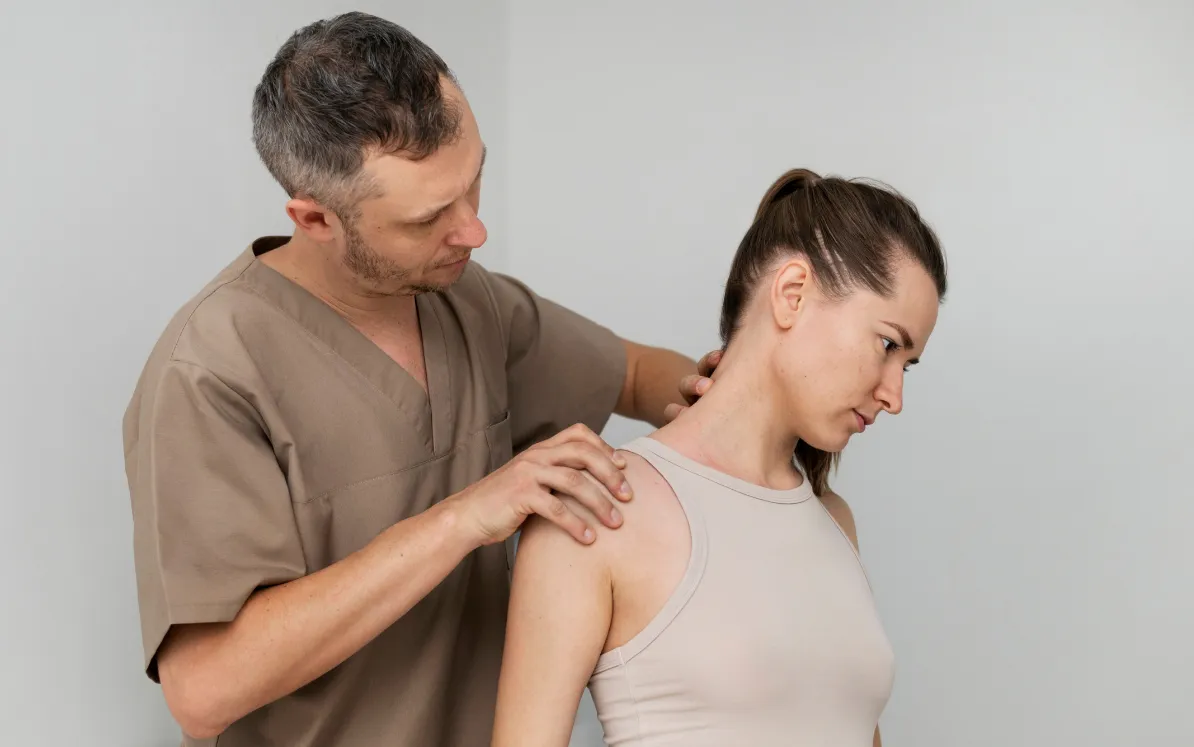
Manual therapy is hands-on treatment that can, for some, help enhance joint and soft tissue mobility. If the person is ok, a therapist can work on the soft tissues and mobilise the tissue to relieve stiffness and find the mobility lost in the tissue.
Better mobility can help to make everyday activities, like head turns, looking up and keeping a good position, easier. Manual therapy can be used in conjunction with active exercise, as gaining strength and developing movement control can help to maintain improvements gained through manual therapy.
Therapeutic Exercises for Strength and Stability
Many neck rehabilitation programmes involve therapeutic exercises. Focus the exercises on the muscles that support the neck, shoulders, and upper back.
Strength and stability development can benefit the body in performing normal activities more efficiently. If the exercises start off with gentle movements, they can become gradually more difficult as the patient becomes stronger and more confident.
A therapist can also instruct patients on how to safely do exercises in the comfort of their homes. Consistency is key because the rehabilitation nature of most services involves interventions between appointments.
Stretching and Flexibility Exercises
Rigid muscles may hinder the ability to move and make it uncomfortable to do some activities. When appropriately prescribed, stretching exercises may be given to enhance flexibility in the neck, shoulders and upper back.
The physical therapist may prescribe specific exercises that would be appropriate and can show people how to do the stretches without putting too much strain on them. The goal is to allow healthy motion, not pain.
Better flexibility may help fill in between strengthening exercises to get the body moving in a more functional range.
Posture and Ergonomic Training
Often poor posture is a culprit of neck pain, especially for those working out at a computer or phone for extended periods of time. Validating the head forward for long durations of time can stretch the muscles and strain the neck.
Practical advice to a physical therapist about sitting positions, desk set-up, monitor height and taking frequent breaks for activity. Minor behavioural changes can create significant differences to allow for easier maintenance of healthy movement patterns and eliminate unnecessary strain.
Workshop learning experiences can be useful for businesses, as physical therapy advice offered in the work environment could potentially lead to improved employee understanding of proper movement patterns and promoting physical health while sitting at work.
How Physical Therapy Can Support Long-Term Neck Pain Management
Managing neck pain is more than relieving pain in a single consult. Physical therapy can offer patients specifics they can implement as part of their home programme.
Improving Strength and Movement Control
Improvement in strength and movement control will help to enhance a person's ability to responsively respond to daily demands of the neck and upper body. Exercise for the muscles around the neck, shoulders and upper back to help promote better movement.
Coordinating is also vital. Patients can be instructed to make the movements in a more controlled manner, instead of putting excessive pressure on specific areas over and over again.
These principles may be used in conjunction with other rehabilitation services. Individuals in back pain rehabilitation, for instance, might additionally profit from working on patterns in the upper back and neck that are related to their functional restrictions.
Reducing the Risk of Recurring Neck Pain
If other factors that may have caused the neck pain in the past are not corrected, the painful episode could come back. Working with a physical therapist may assist patients to grasp their particular risk factors and to learn practical solutions that help them manage them.
Consistent strengthening, proper stretching, remodelling with ergonomic factors and wise gradual increases in activity could benefit keeping some mobility and physical capabilities. Patients can also learn how to detect early signs of changes and take action before the discomfort becomes severe and a hindrance to their day-to-day existence.
For anyone who's sporting and active, certain services might exist for rehab after their sporting issues that will also supply you with specialised treatment methods. There may also be a structured assessment and rehabilitation programme in a sports injuries clinic for people who want to come back to sport after an injury.
Managing Neck Pain Without Relying Only on Medication
While it's possible for some to manage pain with medication, physical therapy is an alternative method and addresses movement, physical function and self-management.
The patient can learn strategies to help with physical limitations through exercise, education and mobility work and posture training. Depending on the cause and severity of symptoms, the right way to do this is still necessary and important.
Comprehensive rehabilitation programmes of rehabilitation units can provide enterprises to treat patients of various types by merging special treatment areas. Services can be provided beyond just one therapy, such as when you are in a motion plus aquatic & therapy center, depending on the services offered and clinical needs.
Healthcare providers can also benefit from offering a wider range of services to their customers, since there may be various types of rehabilitation during the process of the patient's full recovery. Some people may be looking for physical therapy in Los Gatos or perhaps physical therapy in Los Gatos, CA and it's because local physical therapies might be a more relevant search for these individuals rather than anything more specific. People wanting any type of specialised physical therapy, like physical therapists for parkinson's disease, can assist a patient with neurological movement challenges.
When Should You Seek Professional Help for Neck Pain?
A professional assessment may be warranted if the neck pain continues, comes back often, or is starting to cause problems at work, in bed, with exercise or in daily activities. Of course, it also makes sense to get an evaluation following an injury when symptoms do not get better as expected.
Some symptoms need immediate medical intervention, not routine physical therapy. If the pain persists after major trauma, if new weakness or new numbness is significant, if numbness or problems with balance are present, or if other symptoms are concerning neurologically, it is important that an appropriate healthcare professional assess the situation.
If symptoms are not as immediate but continue on a regular basis, a physical therapist will assess the patient's movement and assess if rehabilitation is an appropriate treatment course. Getting help at the outset may be sufficient to prevent small movement restrictions from being more problematic.
Conclusion
Many factors can lead to neck pain, such as back and neck muscle stretch, poor posture, repeated strain, injuries or changes that occur in the neck's components. Getting a better grasp of what neck pains can be caused by is a big step towards selecting the right care for them.
Neck complaints can be treated with physical therapy utilising individualised assessment, manual therapy, therapeutic exercise, flexibility and education in ergonomic care. Some of these are tools that can be used to enhance mobility, strength and movement control and provide patients with practical ways to deal with their condition.
Access to specialised services such as sports therapy, physical therapy, rehabilitation and neurological services can help address a broader spectrum of community needs for the businesses in the rehabilitation sector. Through physical therapy, Los Gatos sports therapy and other rehabilitation programmes and treatments, local services can offer knowledgeable and professional help that focuses on individual goals.
When well evaluated and used properly, physical therapy can be a significant component of a comprehensive strategy to maintain movement and deal with persistent neck pain.
Frequently Asked Questions
Q1. What will physical therapy do for neck pain?
Physical therapy can reduce neck pain, improve flexibility, strengthen supporting muscles, restore movement, and help you return safely to daily activities.
Q2. How many days of physiotherapy for neck pain?
Treatment duration varies by severity and cause. Many people attend physiotherapy for several weeks, with progress reviewed regularly by their therapist.
Q3. How to fix neck pain permanently?
Long-term improvement may involve targeted exercises, posture changes, activity modifications, and addressing the underlying cause with guidance from a qualified healthcare professional.
Q4. Which physiotherapy is best for neck pain?
The best approach depends on the cause and symptoms. Treatment may include exercises, manual therapy, posture training, stretching, and movement education.
Q5. What sleeping position is best for neck pain?
Sleeping on your back or side generally keeps your neck aligned. Choose a supportive pillow that maintains a comfortable, neutral neck position.


