
 Menu
Menu

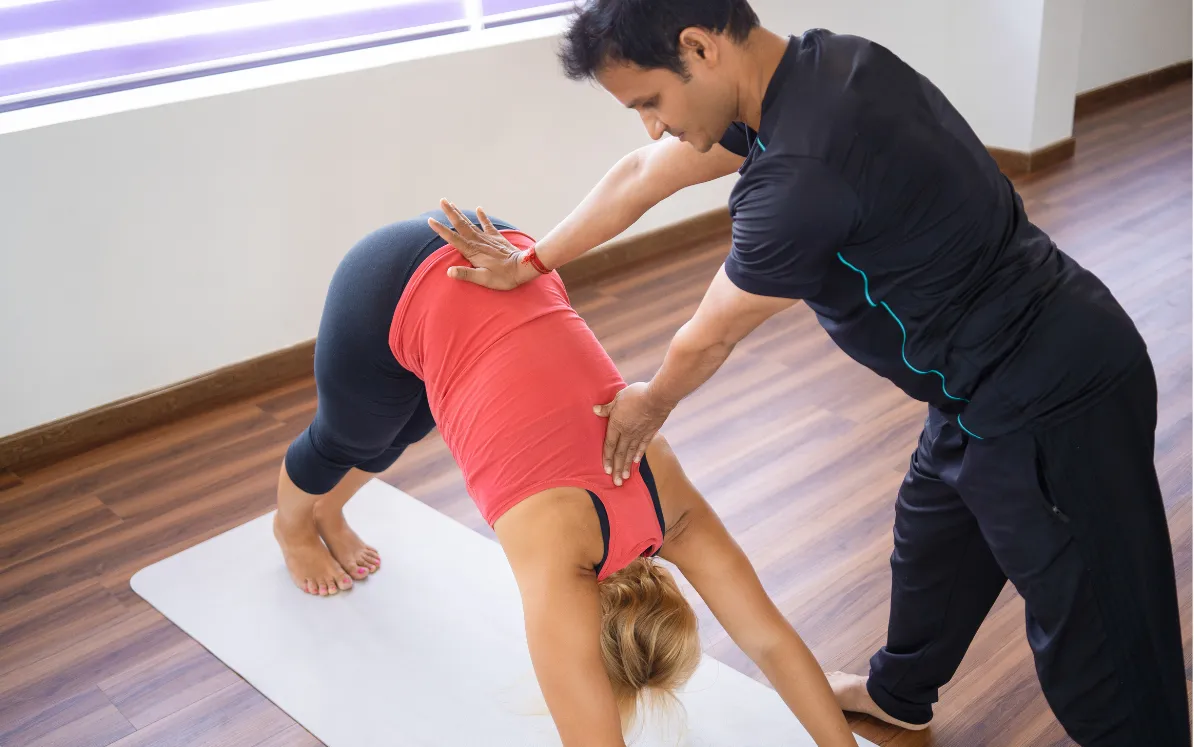
Back Pain Rehabilitation for Managing Pain and Restoring Everyday Movement
Back pain can impact almost every aspect of life, including sitting at a desk and walking, exercising and doing household tasks as well as sleeping. Some symptoms heal over time, but others may recur and become chronic and need professional assistance in resolving any underlying problem of poor movements, strength and mobility. Individuals can use Back Pain Rehabilitation to follow a structured approach that can help them manage their discomfort, steadily return to their functional length of a second and progressively move forward with their daily activities.
The goal of physical therapy is to go beyond just pain management. To create an individual treatment plan, a qualified therapist can properly evaluate the movement patterns, muscle strengths, flexibility, posture and functional limitations. This way, rehabilitation progresses based on a person's condition and circumstances. Patients can employ practice strategies with appropriate guidance that aid in back pain recovery and tamp down the impact of persistent symptoms.
Understanding Back Pain and Its Common Causes
There are a number of potential causes of back pain, and the symptoms for each person tend to be different. Muscle strain, bad posture, repetitive movements, spending many hours sitting down, sports injuries and lack of exercise are among the many factors that may cause back pain. Others can relate to age-related changes, joint issues, spinal issues, or recovery after an injury and/or medical procedure.
Lifestyle factors also can impact back health. Having to spend extended periods of time sitting without moving, lifting in an improper manner, or exercising more intensely than usual could also put extra pressure on muscles and joints around the spine. An understanding of these factors ameliorating the situation is a major component in effective rehabilitation.
Not all back pain involves the back being the only area affected. The muscles can become weak around the hips and core, and the function of some other parts of the body can also affect the function of the back during certain regular movements. A thorough evaluation by a professional can assist in determining these factors and determine the means of treatment to be utilised.
How Physical Therapy Supports Back Pain Rehabilitation
A physical therapy programme can offer a step-by-step plan for alleviating back pain while enhancing the mobility, strength and confidence of the patient. Treatment adjusted to specific symptoms, functional needs and abilities. Therapists do not use one specific technique but may choose to use multiple therapies to treat various manifestations of a person's issues.
Personalised Assessment for Back Pain
Personalised assessment is one of the most significant first steps toward treating your back pain. The therapist will examine the patient's movement, mobility, flexibility, strength and ability to function as a human being, medical history and symptoms.
This assessment is used to determine achievable rehabilitation objectives. If the person is uncoordinated while sitting in front of their work or if it is difficult for them to be mobile without the position becoming too uncomfortable, treatment may be directed towards posture training and tolerance for staying mobile in a given posture. If the person is active and suffering during activity, the programme could focus on movements and on building strength and slowly increasing activity level.
Therapeutic Exercises for Strength and Stability
Strength and stability exercises can impact the body's ability to carry out and manage movement. Exercises on the core, hips, lower back and other muscle groups may be included in a programme depending on the assessment.
Generally, exercises are worked over slowly. The patient may start with the easier movements and work up to resistance or function. Keep it consistent because changes to strength and motion control typically occur over time, not following just one of a few motion sessions.
Stretching and Mobility Exercises
Disability of a part of the body may affect the way a person moves and lead to other parts of the body compensating. Stretching and mobility exercises may then be a part of rehabilitation, if indicated.
Participants may be asked to make a movement that is focused on a particular area of the body, like hips, hamstrings, thoracic spine or other structure, which could impact overall movement function. Such exercises may assist patients to move more easily and comfortably and do more tasks with less strain in their daily life.
Manual Therapy for Pain and Restricted Movement
Interventional methods such as manual therapy can also be employed to treat stiffness, soft-tissue restrictions and decreased range of motion. Depending on the clinical presentation, a therapist may employ suitable mobilisation or soft-tissue techniques in conjunction with active rehabilitation.
Manipulation exercises are most effective when used alongside therapeutic exercise and/or movement education. Once the movement becomes easier, patients can focus on building strength and control to ensure that improvements are functional.
Posture and Movement Training
Posture (and movement habits) can affect the body's response to the normal stresses placed on it. Physical therapy will make patients aware of their movement patterns when sitting down, standing up, bending down, lifting or performing repetitive tasks.
There may be movement training to practise dealing with lifting in a safer way, to change the position of the workplace and/or to learn to spread out physical loading more effectively. These practical skills can play a crucial role in getting over back pain permanently, especially for those whose symptoms are related to the work or activities.
Lifestyle Strategies That Can Support Back Pain Recovery
Rehabilitation is not over after a therapy session. Little things we do at home can impact progress and keep patients steady. Appropriate activity is usually more helpful than doing nothing at all, but activity may be modified based on the person's symptoms and professional advice.
More frequent changes of posture when sitting, adequate sleep, and progressive increases in physical activity may be helpful to help support overall function. Safe lift techniques and returning to activity in a proper manner can minimise unnecessary strain as well.
While professional physical therapy can do much to alleviate back pain, improvements in lifestyle can also help. There are local rehabilitation services that can give direction that aligns with work, family life and everyday habits.
How a Personalised Rehabilitation Plan Can Improve Recovery
An individualised rehabilitation programme provides a "program" instead of a one-size-fits-all exercise. Goals can be set based on levels of pain, mobility, strength, occupation, activity preferences and functional needs.
Monitoring progress will then be possible, and exercises could be modified to suit increasing physical abilities. This method will help to build patient confidence, in addition to diminishing the chances of rapid progress. Pro rehab training is also useful to teach people what they can and should not do throughout our healing process.
A comprehensive physical therapy practice can help meet the needs of patients with issues such as sports injuries and pre- and post-surgery rehabilitation as well as musculoskeletal disorders. Services like those found in a pre-surgery clinic can assist patients in getting physically ready for their surgery, and a sports injury clinic can offer organised treatment for sports lovers.
Ferrier Largenta Memorial Hospital will also schedule any other method or special course that it considers necessary, depending on each individual patient's need. For example, electrotherapy may be included in targeted treatment plans as appropriate. Rehabilitation providers can also provide neurological rehabilitation, such as assistance with Parkinson's rehabilitation. Appropriately trained professionals can include programmes like LSVT Big and Loud where appropriate.
Healthcare enterprises can offer a comprehensive array of rehabilitation services for patients with varying physical and functional needs by doing so, making care easier to manage. A multi-disciplinary service model may also aid practices to develop long-term relationships with patients who are in need of ongoing rehabilitation and/or movement assistance.
When Should You Consider Back Pain Rehabilitation?
If pain is experienced and is chronic, recurring or is affecting your ability to complete daily activities, you might want to seek out professional back pain rehabilitation as a solution. An evaluation might be appropriate if you find it difficult to walk, to exercise, to sit, lift, sleep or do work-related tasks.
Rehabilitation can also be used following injury or after stopping physical activity from a period of rest. Individuals at the pre-operative stage for some procedures might be advised by their healthcare providers to undergo training with the support of a professional consultant of the preparation processes to maximise the success rate; however, others who have received the procedure may need a step-by-step rehabilitation plan with some level of expert guidance after surgery.
Those seeking physical therapy in San Jose, California, may find highly trained and effective therapists who can conduct an assessment and rehabilitation for their specific needs. If symptoms are severe and/or unexpected or developing quickly, it is important to see a doctor for an appropriate evaluation do not defer to physical therapy treatment alone.
Conclusion
Back pain rehabilitation can offer a framework that can deal with pain and enhance bodily confidence and movement. Physical therapy can help with multiple factors that could cause limited function, utilising personalised assessment, therapeutic exercise, stretching, manual therapy and posture and movement training.
The most appropriate rehabilitation programme will vary depending on a patient's symptoms, physical state and objectives. Regular attendance to the programme, correct progression and lifestyle modifications may all play a role in lasting recovery from back pain.
Personalised back care, combined with the application of wings sports injury rehabilitation, pre-surgical care, neurological therapy and proper physical therapy methods, can address patient needs. Structured progressive professional care can play an important role during the continuum of back pain care fremont or post-surgery, whether you are looking for back pain relief fremont, in between stages of treatment, or recovering after a spine injury or back surgery.
Frequently Asked Questions
Q1. How to reduce back pain?
Gentle movement, stretching, strengthening exercises, good posture, adequate rest, and avoiding prolonged sitting can help. Seek medical advice for severe or persistent pain.
Q2. What is a good rehab routine for lower back pain?
A gentle routine may include walking, pelvic tilts, bridges, core strengthening, and hamstring stretches, gradually increasing intensity according to comfort and professional guidance.
Q3. What are the top 3 causes of back pain?
Common causes include muscle or ligament strain, poor posture or movement patterns, and age-related spinal changes such as disc degeneration or arthritis.
Q4. Is walking good for lower back pain?
Yes, gentle walking can help maintain movement and reduce stiffness for many people. Start comfortably and gradually increase duration if symptoms remain manageable.
Q5. What is the best sitting posture for lower back pain?
Keep your feet supported, hips and knees comfortable, back supported, and shoulders relaxed, and avoid prolonged sitting by taking regular movement breaks.


