
 Menu
Menu

How Advanced Therapy Techniques Can Support Recovery From Musculoskeletal Pain
The muscles, joints, tendons, ligaments, and other structures that enable you to move and keep your posture stable can have pain. A condition that may occur following an injury, repetitive physical activities, abnormal motion, surgery, or a chronic condition. Some will get better with rest, but the persistent pain can hinder one's job, exercise, sleep, and daily activities.
The defined process to deal with musculoskeletal issues can include advanced therapy techniques. A physical therapist will not use just one therapy option but will mix hands-on treatment, therapeutic exercises, and soft tissue techniques along with appropriate modalities based upon the person's condition and objectives. The aim is to decrease the discomfort only for the "temporary" but to enhance the quality of movement, strength and physical function "over time.
Knowing the options can guide patients in their choice of professional care and be better informed about the need for personalised rehabilitation for long-term recovery.
Understanding Musculoskeletal Pain and Its Impact on Daily Life
Musculoskeletal pain may range from a simple symptom to a symptom that links functional capacity quite severely. Those who experience knee pain may not be able to climb the stairs, walk or stand for long periods of time, whereas people with back pain might not be able to sit, lift or bend. Reaching up, driving and working at a desk are also shoulder and neck issues.
Pain may also cause people to change the way they move. These compensations can often put greater strain on other parts of the body and can also lead to weakness, stiffness and a decrease in movement. Total rest can be further detrimental to strength and confidence.
This effect may even extend beyond the painful area. Effective rehabilitation takes into account the impact of the symptoms on function and recognises possible factors contributing to movement difficulties. This perspective empowers treatment to be focused on rehabilitating functional movement rather than only pain intensity.
Advanced Therapy Techniques Used to Support Pain Relief
There are multiple techniques a physical therapist can apply in musculoskeletal rehabilitation. The right combination is chosen according to the individual's signs and symptoms, physical examination, medical history and recovery objectives. The level of treatment should be increased gradually and not indiscriminately, and treatment for each patient should be individualised.
Manual Therapy for Joint and Soft Tissue Mobility
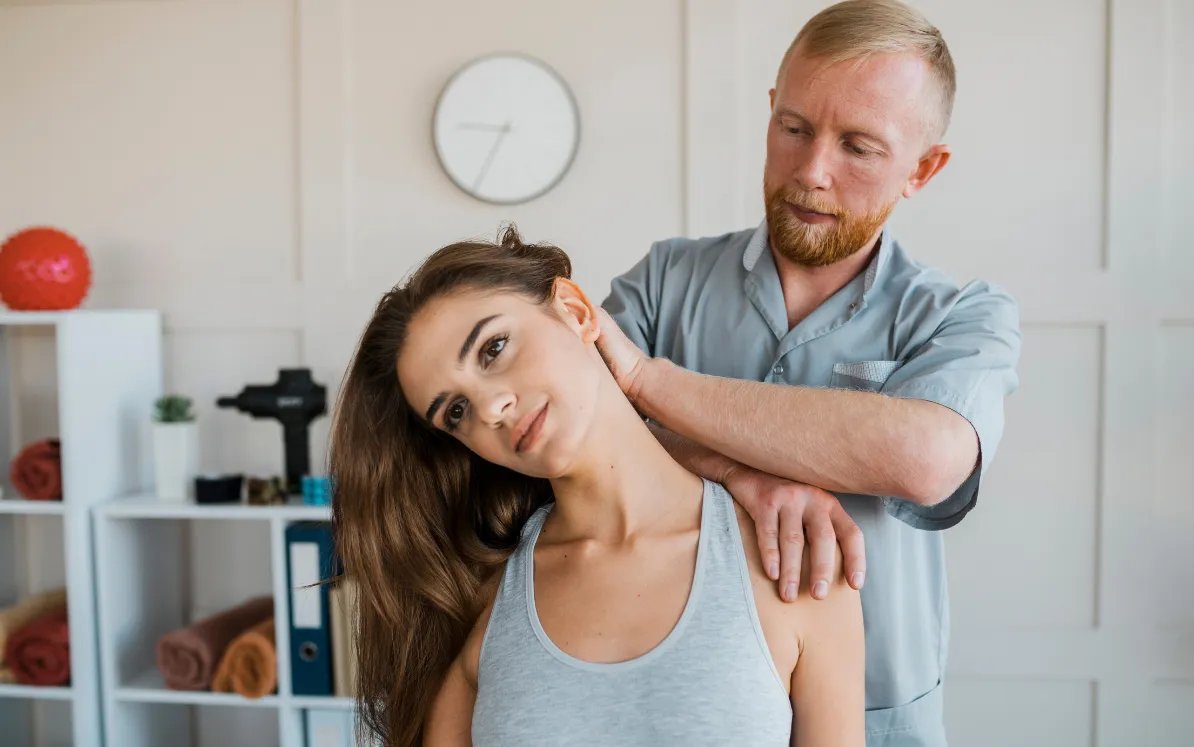
Manual therapies are hands-on techniques that can assist in improving joint mobility, decreasing soft tissue restrictions and increasing comfort in movement. Treatment options include the mobilisation of joints or specialised treatment of soft tissue as appropriate.
The Mulligan technique is an especially specialised technique that might be used if clinically indicated. Is a movement technique with therapist-assisted movement and specific mobilisation techniques and can be used for certain musculoskeletal movement restrictions.
Complementary active rehab is usually best combined with manual therapy. Once movement is comfortable, therapeutic exercise will assist the patients to maintain the improvement in function with strength and control.
Therapeutic Exercise for Strength and Stability
Physical rehabilitation also relies heavily on exercise, as muscle strength and endurance are important for the joints and daily activities. A programme can commence with gentle exercise, gradually progressing as the patient improves.
Strengthening can be particularly relevant following injury or surgery. For example, physical therapy for knee replacement may involve progressive exercises to restore knee movement, lower-limb strength, balance and functional ability.
Correct movement patterns could be dealt with in exercise programmes. We can improve stability and co-ordination, which will enable patients to function more efficiently in their daily life and return to normal recreational activities.
Myofascial Techniques for Muscle and Tissue Restrictions
Myofascial techniques specifically target the soft tissue restrictions that can make areas of the body feel stiff or tight. Some approaches to treatment may target specific hands-on techniques designed to enhance range of motion and comfort in these tissues.
When muscle tightness or soft tissue restriction is impacting functional movement, these techniques can be used. However, these tend to be employed as part of a holistic rehabilitation strategy and not to be the sole focus of strengthening and movement-specific training.
Using soft tissue treatments along with exercise may be beneficial to help patients achieve enhanced mobility as they build physical function for future needs.
Instrument-Assisted Soft Tissue Techniques
IAST (instrument-assisted soft tissue techniques) are tools designed to put pressure on certain parts of the body's soft tissue in a controlled manner. They can be a component of treatment when it is identified by a therapist that there are restrictions impacting a person's mobility and comfortable movement.
This technique is based on the particular person's tolerance and clinical picture. Like any "hands-on" method, this one aims at functional improvement, not just at bringing some temporary relief.
These can be used alongside stretching, strength and movement exercises to form a more holistic rehabilitation programme, if appropriate.
Shockwave Therapy for Selected Musculoskeletal Conditions
Acoustic Therapy: Also known as shockwave therapy, it uses sound or vibration waves to send energy to the tissues and is used for certain musculoskeletal conditions. Sometimes it is added to rehabilitation programmes when it is deemed necessary by professionals.
As not all conditions can benefit from shockwave therapy, an evaluation is necessary prior to treatment. The therapist can decide which one this can be and how it would be incorporated into the broader rehabilitation programme.
When used in conjunction with other forms of therapy, a targeted therapy can help keep therapy directed to the patient's particular disease instead of a specific therapeutic method.
Therapeutic Modalities for Pain and Recovery
Sometimes, therapeutic modalities may be used in addition to active rehab. One such therapy is electric stimulation therapy that employs deliberate electrical pulses and can be used for specific rehabilitation objectives.
Depending on the person's condition and clinical needs, it might be necessary to consider other modalities. They are mostly used to aid comfort, muscle activation or rehabilitation if applicable.
All of these can be used in conjunction with but are not considered substitutes for active treatment. Strengthening and increasing movement (adapting to functional limitations) are still important in their long-term recovery.
The Role of Personalised Rehabilitation in Musculoskeletal Recovery
Individually tailored rehabilitation makes sure the treatment matches the person's symptoms, resources, lifestyle and objectives. Two people with the same diagnosis can be very different in terms of their strength, mobility and functional ability, which can make programmes different.
Assessing the Source of Pain and Movement Limitations
The first step in the rehabilitation is usually a symptomatic and movement and strength, flexibility and functional limitations assessment. The therapist evaluates the impact of the problem on daily function and identifies movements or actions that could be a problem.
This evaluation is used to identify the best approach and set those achievable targets. It may also aid the clinician with the decision of whether more medical evaluation is necessary.
Creating a Goal-Based Treatment Programme
A goal-based programme provides direction for the rehabilitation. Walking without difficulty, returning to sports, or making the workspace more accessible and/or regaining independence after surgery are examples of goals.
Knee replacement rehab goals can go from basic mobility to more challenging functional activities for those who have received knee replacement therapy. Rehabilitation may include the improvement of sitting tolerance, lift tolerance, and walking tolerance, or better tolerance for other activities of daily living, for a client who has back pain.
Clear objectives also aid patients in recognising why specific exercises or techniques are a part of their programme.
Progressing Treatment as Strength and Mobility Improve
Rehabilitation should be progressive depending upon the patient's physical capabilities. What is appropriate at the start of the exercise may be easier towards the end of the exercise, and what is harder at the start may be added as the exercise progresses and the control, balance and strength develop.
Progression is to be managed and based on a functional response. Raising the intensity of exercise too rapidly might lead to counterproductive outcomes (setbacks), and increasing intensity too slowly may prevent benefits from reaching more levels.
As therapy goes on, patients can be reassessed regularly, and adjustments to exercises and techniques, as well as intensity of treatment, can be made.
Adjusting Rehabilitation to Daily Activities and Lifestyle
Rehabilitation should be functional in everyday living. The high level of tolerance for sitting may differ from that of an office worker to an athlete, which may need specific strength, agility and return to performance exercises.
Practical strategies that can be utilised outside the clinical setting are also needed. Movement and activity consistency, in addition to activity modification, will enable more sustainable education for rehab.
This customised approach can help to enhance patient engagement and satisfaction in physical therapy practices. Events like physical therapy in Los Gatos, CA, physical therapy, and sport or post-surgical physical therapy enable practices to cater to the various requirements of their patients and develop an expanded services programme.
How Physical Therapy Can Support Long-Term Recovery
Physical therapy can, however, help with long-term rehabilitation by conforming to other physical factors that limit movement and function. Strength training can help to improve muscular support, movement education can help the patient carry out tasks more effectively, and mobility work can go about tackling restriction of movement.
A well organised programme can help them gradually build up physical ability before retaking demanding activity especially for those people recovering from sports injuries. Rehabilitation and assessment at a sport injuries clinic can be tailored to the needs of various sports and activity levels.
A variety of rehabilitation services can be provided to businesses for continuity of care. A practice can serve the diverse needs of its community, serving individual patients whose musculoskeletal pain, sports injury, post-surgical recovery or functional rehabilitation needs fall under the remit of services. Complementary services, including a motion plus aquatic & therapy centre or partnerships, can also enhance access to alternative approaches to rehabilitation as needed.
Recovery is ultimately a longer process; more than one appointment is required. Participation in therapy, progression and communication between the patient and therapist can all help to achieve enduring results.
When Should You Consider Professional Care for Musculoskeletal Pain?
If pain, stiffness or weakness persists and interferes with routine activities, a consultation with a physiotherapist might be indicated. It can also be suitable when the symptoms return time and again or when the movements are becoming restricted, or after an injury or surgery the recovery isn't going as expected.
Structured rehabilitation can be beneficial for individuals who are at the end stages of orthopaedic surgery or recovering from surgery. Likewise, the athlete who continues to have issues and symptoms may need to be professionally assessed before resuming high-impact activity.
Early evaluation may give a chance to recognise movement restrictions and implement an appropriate rehabilitation programme. If symptoms are more severe, worsening quickly or if there are other more concerning symptoms, patients should seek appropriate medical advice.
A professional assessment can help determine if physical therapy is appropriate and what treatment may be the best to help the individual reach their treatment objectives.
Conclusion
MSK pain conditions may impact function, independence, employment and participation in activities that are meaningful in daily living. A structured rehabilitation programme will be able to tackle these challenges through a mixture of appropriate hands-on treatment, therapeutic exercise, movement training and selected therapeutic modalities.
Advanced therapy techniques like manual therapy, myofascial techniques, instrument-assisted therapy, shockwave and electric stimulation therapy can also be used on selected rehab programmes. Their usefulness is greatest, however, when they are used as a component of a personalised strengthening, mobility, movement control and functional plan.
Be it back pain rehabilitation, physical therapy for knee replacement, sports rehabilitation or any other musculoskeletal treatment, a professional evaluation may play a vital role in determining the correct treatment plan on the way towards healing. Tailoring physical therapy treatments to individual patient needs and offering highly specialised rehabilitation therapy can improve the quality of patient care, enhance access to physical therapy services and foster meaningful, lasting relationships.
Frequently Asked Questions
Q1. What is musculoskeletal therapy?
Musculoskeletal therapy treats pain and movement problems affecting muscles, bones, joints, ligaments, and tendons through targeted physical techniques and rehabilitation.
Q2. What are some treatment options for musculoskeletal back pain?
Treatment may include physical therapy, exercise, manual therapy, heat or ice, posture improvement, medications, and lifestyle changes, depending on the cause.
Q3. How to alleviate musculoskeletal pain?
Rest briefly, stay gently active, apply heat or ice, improve posture, stretch carefully, and consider appropriate pain relief after medical advice.
Q4. What is the most effective painkiller for musculoskeletal pain?
The most effective painkiller varies by person and condition. Common options include paracetamol or NSAIDs, but medical advice is recommended.
Q5. What exercises can I do to relieve musculoskeletal back pain?
Gentle walking, stretching, pelvic tilts, bridges, and core-strengthening exercises may help relieve back pain when performed safely and consistently.


