
 Menu
Menu

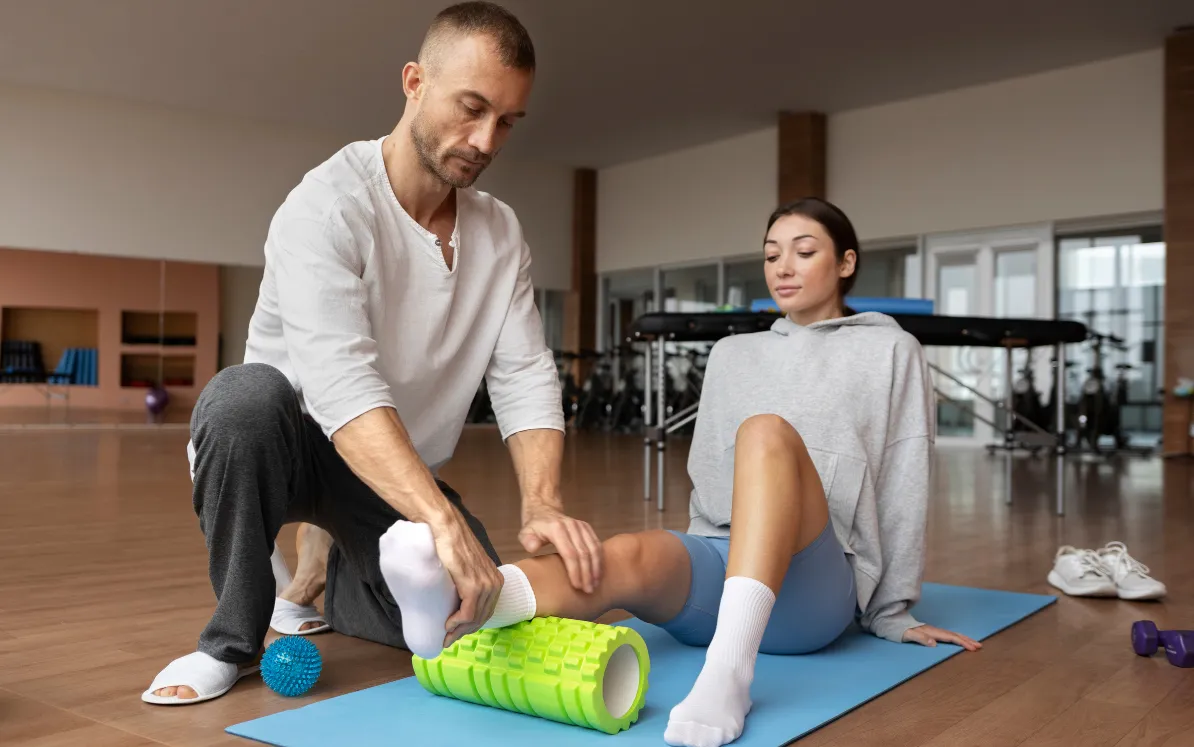
How Orthopedic Physical Therapy Helps You Recover Faster From Joint Pain
Joint discomfort happens to be a factor of life with everyday activities, from walking to concentrating on the stairs going up or down, work, exercise and recreational activities. It could be due to arthritis, sporting injuries, post-surgical healing, or the natural effects of aging. No matter the reason for the pain, if it is treated early, recovery is likely to be much better. Orthopedic physical therapy is an effective non-surgical technique that aims to restore movement, relieve pain and restore optimal joint function via individualized physical exercise programs.
Centers that offer evidence-based and state-of-the-art rehab treatment, such as iMotion Physical Therapy, put their patients on the path to getting mobile and not just to symptom relief. From knee replacement rehabilitation therapy to back pain rehabilitation therapy and even to specialized orthopedic rehabilitation services in Fremont, experience can help speed up recovery and give everyone the confidence that they can enjoy a better life as a result of the treatment.
What Is Orthopedic Physical Therapy?
Orthopedic physical therapy involves treating conditions that affect muscles, bones, joints, ligaments and tendons through a specialized approach to rehabilitation that diagnoses, treats and prevents issues. It can be used by individuals with chronic joint pain, movement disorders, injuries and surgery.
Treatment regimens are carefully customized for each person to take into account elements such as lifestyle, goals, and medical and physical status. Through manual therapy, targeted exercises, mobility training and educating the patient, physical therapists help restore movement to the body while helping to ease discomfort.
Structured rehab programs are effective for patients who are recovering from fractures, rehabilitation following ligament injuries or shoulder therapy, hip rehabilitation therapy, and knee replacement post-surgical therapy. Clinics like Imotion Physical Therapy Paseo Padre and Imotion Physical Therapy Lake Clinic provide an all-in-one rehabilitation program with contemporary methods for recovery that offer effective, safe treatment.
How Orthopedic Physical Therapy Speeds Up Recovery
Personalised Assessment and Treatment Planning
The initial step in recovery is an all-round assessment of the patient's condition. They evaluate posture, movement patterns, joint mobility, muscle strength, flexibility, balance and limitations of function during the initial assessment before developing an individual treatment plan.
Rather than following a standard program for all patients, therapists alter the exercises and treatment technique based on patient progress. This customized strategy maintains safe, effective and goal-oriented rehabilitation.
Personalized treatment plans also provide patients with an understanding of the cause behind knee pain, helping them make informed choices about how they move, live or move differently and what activities to participate in to help heal them quicker.
Pain Management Without Medication
The best thing about orthopedic physical therapy is that it can treat the pain naturally while using minimal drugs.
Treatment involves mobilizing the tissues, stretching, joint mobilization, manual therapy and therapeutic movements to ease stiffness and produce better circulation. These therapies reduce inflammation and restore normal mobility amongst the affected joints.
When pain medications must be relied upon, reducing reliance on pain medication means that the person has a lower risk for unwanted side effects or a better long-term recovery.
Therapeutic Exercises for Strength and Flexibility
One of the key elements in effective rehabilitations is exercise. A selection of carefully chosen strengthening and flexibility exercises allows for greater stress reduction during the range of movement of injured joints and increased muscle support for the injury.
Patients who have suffered from ligament issues, joint replacement surgery or back pain rehabilitation gradually work their way up a series of physical exercises to help develop muscular endurance, flexibility, coordination and function.
As a patient gains strength, these patients gain confidence in their daily functioning and risk of future injury are decreased. Regular physical activity also promotes joint stability, helps heal tissues and facilitates the circulation of blood.
Balance, Stability, and Functional Movement Training
Joint pain often sees an impact on balance, coordination and walking patterns. The functional movement training in rehabilitation programmes aims to enhance stability in daily routines as well.
Exercises can include weight shifting, gait re-evolution, balance exercises, using steps and correcting movement. Use of these interventions enables patients to restore their confidence and to minimise the risk of falls and injury later in life.
Patients restore functional movement, gaining the ability to return home and to work, to play sports, and to participate in recreational activities in this way, more confidently and more safely.
Key Benefits of Orthopedic Physical Therapy for Joint Pain
Faster Recovery and Improved Mobility
The key principle of orthopedic physical therapy is to restore their movement in the lowest stress, but most efficient, manner. Early rehab stops stiffness, weakness and immobility of the joints and muscles that do develop after injury or surgery.
Sessions will be given on a regular basis that will help restore range of motion, flexibility and muscle strength, which will be gradually restored. Patients can lead their usual lives more comfortably but at the same time are gaining increasing independence and confidence with mobility.
Combined with expert therapeutic guidance, structured rehabilitation programs can be very effective in enhancing therapeutic outcomes after major orthopedic operations or injury to musculoskeletal tissue for anyone who is looking to find the best inpatient physical rehab facilities near me.
Reduced Risk of Future Injuries
Rehabilitation is more than just pain relief. A physical therapist will pinpoint any abnormal movement patterns, muscle imbalances or poor posture that they believe may have added to the primary injury.
The use of strengthening exercises, movement education and functional training will help rebuild muscle balance and alleviate stress on susceptible joints and therefore minimise re-injury.
Patients are also taught safe lifting, body mechanics, workplace ergonomic training, and exercise at home routines to help them maintain their long-term joint health.
Long-Term Pain Relief
Orthopedic physical therapy treats the cause of musculoskeletal pain, unlike temporary pain treatments.
Many chronic conditions find relief as a result of improved mobility, increased strength of supporting muscles, flexibility and correction of movement patterns. Patients often continue to get benefits from these exercises and education they were given during the formal treatment even when the therapy is over.
For some patients, a long-term rehab effort can also help with postponing or minimizing the necessity of invasive interventions, in addition to promoting more active and healthy lives.
What to Expect During Your Orthopedic Physical Therapy Journey
The first step to the rehabilitation process is a detailed consultation, which involves your therapist examining your symptoms, medical history, and everyday lifestyle and motion. On the basis of this assessment, a personalized program of rehabilitation is developed for you in order to aim towards the goals you have set yourself.
Manual therapy, strengthening, stretching, balancing, mobility and functional movement practice are common components in a session for treatment. Progress is continually reviewed to adapt exercises as they advance.
Patients are provided with education relating to home exercise regimes, posture correction, injury prevention and activity modification to complement in-clinic treatment. In the successful treatment results, consistency will rule supervised therapy and home exercises.
Professional rehab facilities that provide imotion physical therapy services work closely with patients from start to finish, making sure that therapy is always focused on helping to get them back to their independence, decreasing pain and improving long-lasting physical function.
Conclusion
Joint pain should NOT be a permanent condition around which a life must be fashioned. Many people can heal quickly, move sensibly and feel confident to get back to their normal lives with the proper rehabilitation program. Orthopedic physical therapy is integrated around principles of evidence-based treatment techniques, personalized treatment, therapeutic exercise and functional movement training, to address both the symptoms and the underlying causes of joint dysfunction.
Injuries, chronic pain and surgery can have a profound impact on your physical and functional abilities, but rehabilitation can bring long-term advantages. Providing services like an orthopedic rehab fremont program, knee replacement rehab therapy and back pain rehabilitation allows patients to become more mobile and less susceptible to further harm. Patients can select a provider with expertise in rehabilitation, alongside a structured recovery program, to enjoy healthier joints, more mobility, and a greater quality of life for years to come.
Frequently Asked Questions
Q1. What are the 6 P's of orthopedics?
The six P's are pain, pallor, pulselessness, paresthesia, paralysis, and poikilothermia. They help identify serious limb circulation and nerve problems.
Q2. Does physical therapy speed up recovery?
Yes, physical therapy improves strength, flexibility, and mobility while reducing pain. A personalized rehabilitation plan can help patients recover safely and more efficiently.
Q3. How does physical therapy help joint pain?
Physical therapy reduces joint pain through targeted exercises, stretching, and manual techniques. It improves flexibility, strengthens muscles, restores movement, and supports long-term joint health.
Q4. How to assess an orthopedic patient?
Orthopedic assessment includes reviewing medical history, evaluating pain, checking range of motion, muscle strength, joint stability, and posture, and performing relevant physical examinations.
Q5. What is the most common orthopedic problem?
Osteoarthritis is the most common orthopedic condition. It causes joint pain, stiffness, and reduced mobility and commonly affects the knees, hips, hands, and spine.


