
 Menu
Menu

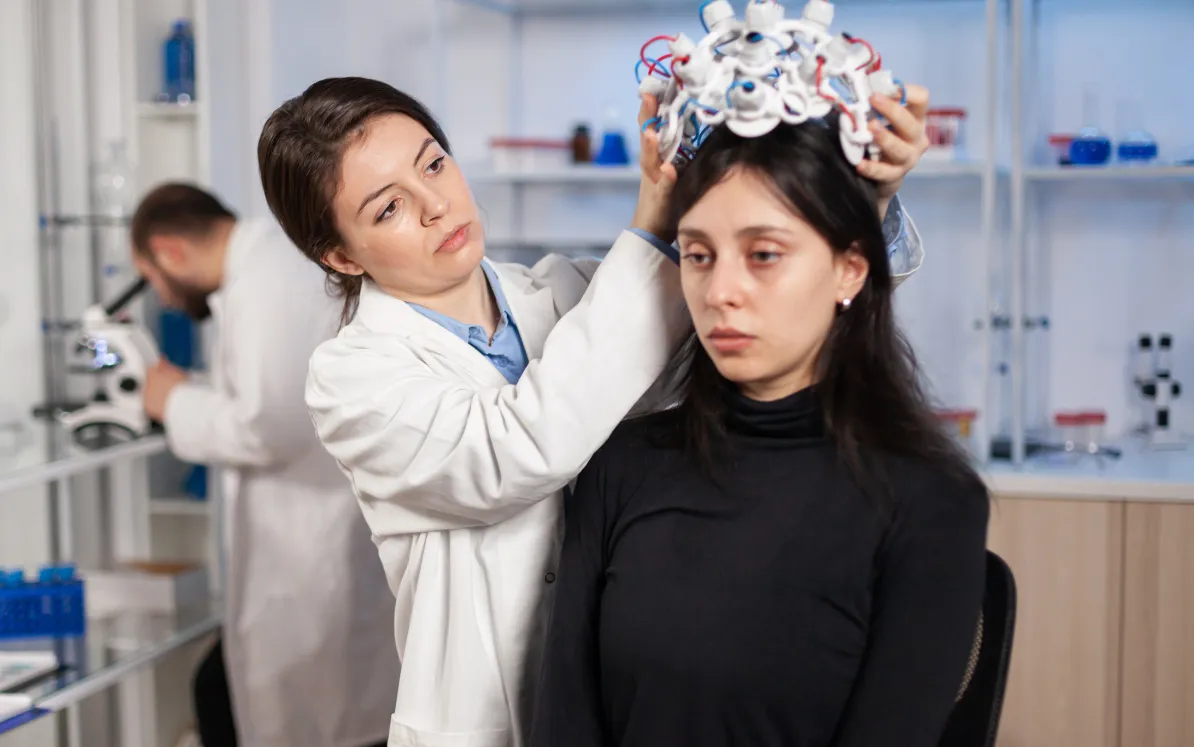
How Neurological Physical Therapy Helps Restore Strength After Brain Injury
A brain injury can affect far more than memory or concentration. It may be the only aspects of brain injury that are obvious. It can also affect the strength of muscles, balance, coordination, and walking, and the ability to perform normal motions. Even basic foothold movements like riding a stool, reaching for an object or walking across the room may be both difficult and unstable. Seeking the solution may involve systematic rehabilitation with a focus on optimizing movement patterns as well as the physical effects of neurological insults.
Neurological physical therapy is a crucial and important support in this process. A physical therapist can provide personal assessment, therapeutic exercise, movement training and functional rehabilitation to help patients progressively restore strength and physical independence. The program is altered depending on the severity and type of brain injury, existing skill levels and goals for recovery and treatment.
Offering targeted neurological therapy can also be a service provided along with other therapy services like physical therapy Fremont California, sports injury therapy Fremont and back pain rehabilitation for those who are professional rehabilitation providers. A general rehab will enable businesses to cater for a range of recovery rates and cater to individuals recovering from neurological conditions.
What Is Neurological Physical Therapy?
Neurological physical therapy is a specialized branch of physical therapy that focuses on the treatment of patients who have movements and physical limitations due to disease of the brain and nervous system. Brain injury may affect the ability of the brain, spinal cord and muscles to communicate with one another, causing weakness, changes in muscle tone, coordination and balance issues, or difficulty controlling movement.
The treatment starts by looking at strength, flexibility, balance, posture, coordination and walking patterns and functional abilities. The therapist then tailors a rehabilitation program to the individual.
Neurological rehab doesn't just strengthen the muscles, it aims to improve the way the nervous system and the body operate together. Exercises are sometimes linked to real-life activities so that patients can practise a movement that will be of use to them in their daily life. This functional approach can help to build up some steps to reach improvements in mobility, independence and confidence.
How Neurological Physical Therapy Restores Strength
Rehabilitation following brain injury is not all about weight lifting again. The nervous system needs to know when muscles need to be engaged in the right way, and how muscles and other body parts need to move together in a functional skill. Neurological physical therapy thus utilizes an approach of strengthening, repetition, as well as balance training and motor control and task-specific activities.
An increase in difficulty may be started by a therapist with the movement that it is safe for a patient to perform, and then gradually escalated. Consistent repetition of movement may lead to more desirable patterns of movement and increase muscle strength of muscles that have been weakened through lack of use.
Therapy can also be directed to the muscles used for standing, transferring to and from standing, walking and stance control. Patients can begin to achieve functional goals by incorporating strengthening exercises in a way that facilitates toward the goal rather than taking a more isolated strength-based approach.
Key Techniques Used in Neurological Rehabilitation
Repetitive Movement and Task-Specific Training
When it comes to neuro rehab, repetition is crucial since it's the nervous system that thrives on repetition. Task-specific training means doing meaningful movements, like standing, stepping, reaching, turning or moving from a chair over and over again.
The therapist can change each activity according to the patient's current ability. As strength/exertion and control increase, the task may be set to be more difficult. Slow progression promotes use of helpful movements, as well as increasing control and confidence.
Resistance Training for Weak Muscles
When well chosen and correctly supervised, resistance exercises may prove to be a factor in muscle strengthening. Resistance can be used in the form of body-weight, resistance bands, additional weights or when necessary, specialised equipment.
The goal is not just to increase muscle mass, but also to enhance the functional capacity needed for tasks. An increase in leg muscle strength can make standing and walking easier, and increased upper body strength can help with transfers and reaching.
Postural Control and Core Strengthening
Well-distributed body position helps to create a stable base for movement. Brain injury can impact trunk control, which can make it difficult to sit, stand or maintain balance while moving.
Patients practice core strengthening and postural exercises to be able to control the trunk and pelvis better. Enhanced postural stability may help to facilitate safe transfers, standing, walking, etc. within the home, thereby enhancing the ability of the individual to function safely. The exercises can gradually be added based on the patient's balance and strength.
Flexibility and Range-of-Motion Exercises
A decrease in motion following a TBI can lead to stiffness and restricted joint motion. Practice range of movement and flexibilities exercises to keep movement available and enable more efficient movements.
Active exercises, assisted movement or gentle stretching can be used as required by the therapist and patient. Joint mobility is important for a pain-free strengthening and functional exercise program and it can help patients to take part in a rehab program more comfortably.
Motor Control and Coordination Exercises
Having strength isn't enough to move well. Strength and coordination could both be fine after a brain injury, but indications may be poor. After a brain injury, a person might have strong muscle power but poor indications.
Motor control exercises help to tackle these issues by helping the patient practise controlled and purposeful movements. Activities could include standing, stepping, weight shifting, coordinated movements with limbs/balance. Patients can achieve smoother, more controlled body actions, with consistent practice.
Benefits of Neurological Physical Therapy After Brain Injury
Improved Muscle Strength and Physical Function
Progressive strengthening and functional training may be used to help patients become physically strong after becoming weaker or inactive. Better strength could lead to easier performing daily tasks and better chances of being involved in recovery and activities.
Better Balance and Stability
The balance training component facilitates training of the body's control during sitting, standing, walking and other movements. Improved stability can contribute to safer mobility and minimise challenges of uneven surfaces, direction and transfers.
Increased Walking Ability and Mobility
The walking rehabilitation can be conducted on posture, weight transfer, stepping, lower-limb strength and coordination. Patients could be more active functioning around the house or in their communities as these areas get better.
These special principles of rehabilitation can also be used for patients with a neurological disease like Parkinson's disease. For instance, Parkinson's physical therapy, Fremont, and lsvt big and loud can be included in a comprehensive neurological rehabilitation plan centered on movement, balance and functional endpoint. People looking up parkinsons physical therapy murrieta ca can also find it useful to seek out those who have proper qualifications to work in the field of neurological rehabilitation.
Greater Independence With Daily Activities
Ultimate Goal of Rehabilitation is often beyond the boundaries of the therapy environment. Improved strength, coordination, and balance can make it easier for the person to do things like get dressed, bathe, prepare meals, leave the bed and move around the house.
Improved Confidence During Movement
In patients suffering from brain injury, it can be hard to know how they are physically able or unable to respond. Under supervision therapy enables safe opportunity to practise and progress safely in movements. As the patient makes progress, they might be more confident when walking, standing and using normal activities.
When Should You Consider Neurological Physical Therapy?
Neurological physical therapy might be allowed if the brain wound has caused weakness, decrease of activity, poor balance, trouble coordinating movements and/or changed how the individual walks or walks normally. It can apply at various phases of the recovery process, as advised by medical professionals and tailored to each person's rehabilitation requirements.
Early assessment may contribute to the ability to identify limitations and more realistic rehabilitation targets. Rehabilitation isn't complete, however, when the patient can walk or do basic functioning. Ongoing treatment may be helpful if strength, balance, endurance or coordination are still poor.
It also goes good for the professionalities to offer a wider measured of specialist services, which can help the rehabilitation business. Depending on the patient's situation, neurological rehabilitation in addition to back pain rehabilitation, knee replacement rehab therapy or sports injury therapy fremont may be needed. Improving a clinic's capacity to meet diverse rehabilitation needs can be done through patient-focused, evidence-informed delivery of services.
Supporting Long-Term Strength and Mobility After Brain Injury
Progress and consistency are crucial factors in long-term recovery. The patients can also do the exercises at their home between the consultations and do the moves as suggested under the expert guidance and then slowly start increasing the levels of activity.
Strengthening, joint mobility, balance and functional movements should be regarded in a sustainable programme. Periodic reassessment of the exercise helps to adjust exercises to accommodate changes in ability. Depending on the patient, some patients may need lots of help to get started and transition to more independent movements.
Other lifestyle habits can help with rehabilitation. Further progress can be made with suitable exercise, rest and by adopting recommendations from the health care team. This is because patients should not start exercising too hard, especially if there is any fatigue, loss of balance or weakness.
In addition with the other specialised services when appropriate. For instance, individuals with neurological issues might need to partake in motion exercises; patients with musculoskeletal concerns may need back pain relief fremont, or receive other physical therapy services. This model can be used in a rehabilitative business as an integrated approach to providing detailed support and maintaining a focus on each individual patient's goals.
Conclusion
Brain injury recovery can be a slow process, but structured neurological rehab may help to recover strength and re-independence in movement. Neurological Physical Therapy is an integrative approach that addresses the physical impairments stemming from neurological injury by combining targeted strengthening exercises, repetitive practice, motor control, balance training, flexibility exercises and functional activities.
Using personalised support, patients will find opportunities to strengthen muscles, improve walking function or balance and gain increased confidence through everyday activities through progressive training. Focus is not only on specificity of exercises, but on how the patient can implement enhanced physical functions in their everyday life.
Specialized neurological therapy can accompany these treatments such as physical therapy Fremont California, sports injury therapy Fremont, back pain rehabilitation and knee replacement rehab therapy for rehab providers. A patient-centred approach that utilises progressive rehabilitation with clinical knowledge, can enable businesses to provide valuable care and aids people on their journey of recovery.
Frequently Asked Questions
Q1. Can physical therapy restore strength after brain injury?
Yes, physical therapy can restore strength after brain injury by improving muscle function, balance, coordination, and mobility through personalised exercises and consistent rehabilitation programs.
Q2. How does neurological physical therapy help brain injury?
Neurological physical therapy helps brain injury patients regain movement, improve balance, reduce muscle stiffness, enhance coordination, and promote independence through targeted rehabilitation techniques.
Q3. Can brain injury weakness improve with therapy?
Yes, brain injury weakness can improve with therapy by strengthening muscles, retraining movement patterns, increasing flexibility, and supporting long-term functional recovery and independence.
Q4. What exercises help after a brain injury?
Balance training, strength exercises, stretching, walking practice, coordination activities, and functional movement exercises help improve mobility, stability, and overall recovery after brain injury.
Q5. Can physical therapy improve walking after brain injury?
Yes, physical therapy improves walking after brain injury by enhancing strength, balance, coordination, gait mechanics, and confidence, helping patients regain safer and more independent mobility.


