
 Menu
Menu

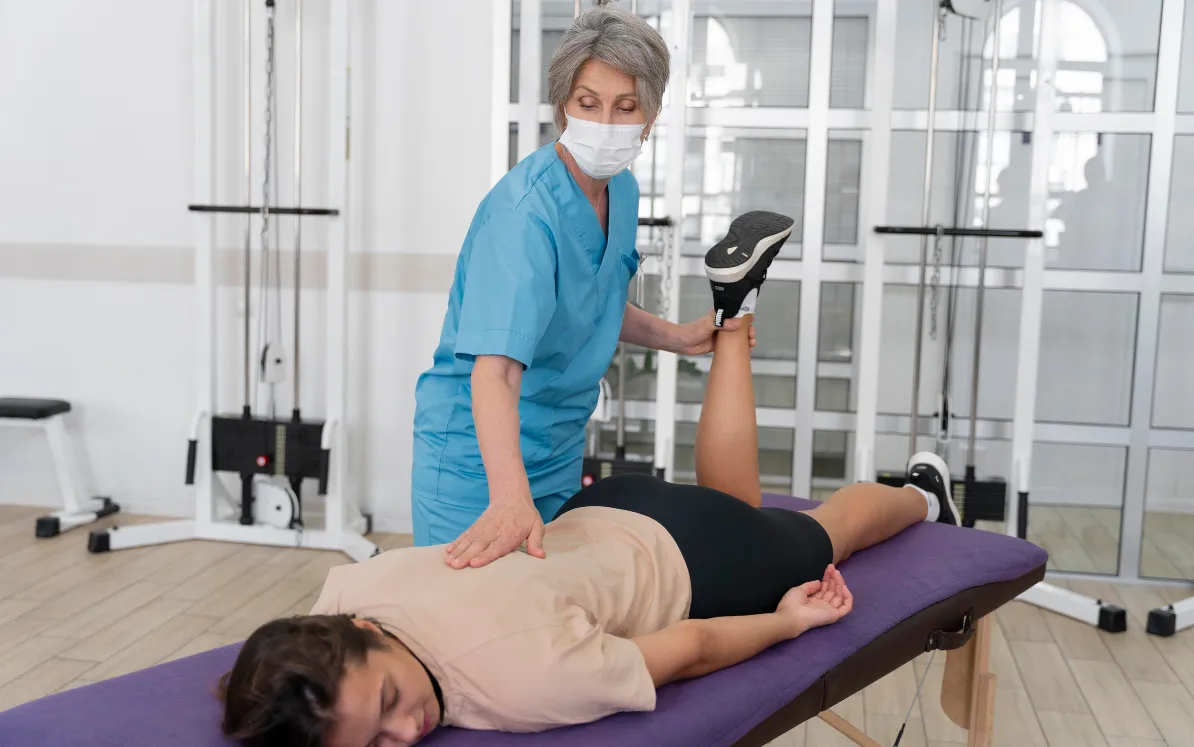
Why Neurological Rehabilitation Is Important After Nervous System Injuries
Nervous system injuries can significantly affect a person's ability to move, communicate, think and do daily activities. Patients with stroke, traumatic brain injury or spinal cord injury, multiple sclerosis, Parkinson's disease, and peripheral nerve disorders often must seek specialized rehabilitation to help them return to independence and enjoy their best quality of life. Medical treatment is used to treat underlying conditions, and physical rehabilitation is used to return function and increase mobility for a recovery and to help patients cope with long-term consequences.
There are several evidence-based therapies included in the Neurological Rehabilitation Program that use techniques to work on movement, balance, coordination, muscle strengthening and functional skills in daily life. Each rehabilitation program is designed according to the specific person and the rehabilitation objectives he or she wishes to achieve and his or her physical functional level. Beyond helping patients recover more quickly, professional rehabilitation services also minimize the risk of secondary complications, helping patients improve their confidence in returning to community activities, family life and a working environment.
Why Early Neurological Rehabilitation Matters
Early intervention is an important factor in neuro recovery. The nervous system has an amazing ability to reorganize itself after an injury, called neuroplasticity. Rehabilitation started soon after medical stabilization and will help the brain and nervous system to form new pathways, restoring the possibility of achieving good functional outcomes.
Early treatment also promotes the prevention of muscle weakness, stiffness, joint contracture, poor posture, and diminished mobility. Structured rehabilitation generally leads to improved mobility and independence for patients during rehabilitation.
At the start of treatment, specialist rehabilitation professionals thoroughly assess each patient's condition to develop a personalized approach. Early treatment not only helps treat neurological deficits, but it may also help to treat some other side effects of the surgery, such as rehabilitative needs for back pain problems or mobility issues, for a more comprehensive recovery. Patients gain confidence with a consistent rehabilitation approach, and less emotional stress is usually associated with chronic neurological disease.
Key Neurological Rehabilitation Treatments and Techniques
Physical Therapy for Strength and Mobility
Neurological rehabilitation lays out the groundwork of physical therapy. It aims to rehabilitate muscle strength, flexibility, coordination, endurance and movement patterns that might be compromised by injuries to the nervous system.
It is during this time that therapists create a program of structured exercises that help improve posture, walking ability, joint mobility, and muscle control. Today, people who have a knee replacement or other orthopedic surgery are also supported by modern rehabilitation techniques, particularly in the event neurological complications prevent their mobility. Personalized exercises are provided to gradually build the patient's strength and to lessen pain and/or the possibility for further deterioration.
Numerous physical therapy Fremont rehab facilities incorporate cutting-edge equipment and evidence-based procedures to ensure their patients maximize recovery from neurological disorders.
Occupational Therapy for Daily Living Skills
OT can increase an individual's independence by maximizing functioning in daily activities. Therapists evaluate the influence of non-functioning in the brain on these activities, including dressing, bathing, cooking, writing and job duties.
Treatment emphasis is placed on hand function, coordination, fine motor skills, cognitive functioning, and problem-solving skills. Another part of the education offered to patients involves adaptive techniques and recommendations with regard to assistive equipment that will be helpful to them at home and in the workplace to promote self-efficacy.
The focus is on doing activities of daily living (ADLs) and allowing people to do what they want to do while minimizing the need to rely on family members and/or caregivers.
Balance and Gait Training
Numerous neurological disorders can affect walking patterns, balance and posture. Balance and gait training is designed to restore stability and to minimize the risk of falls and injuries.
Structured exercises are conducted to help enhance weight distribution, stepping ability, walking confidence and coordination in the therapy session. Patients learn to move safely over surfaces, up and down stairs, and in the environment of everyday life.
Therapists qualified in rehabilitation for Parkinson's disease can help a person with balance problems by providing special treatment that can enhance walking efficiency and decrease the risk of freezing.
Functional Movement and Motor Skill Retraining
The emphasis is on recovery of a functional movement pattern for daily life with functional movement retraining. Therapists will coach patients to execute a full, safe, and efficient range of motion instead of strengthening different muscle groups individually.
Exercises mimic everyday activities, including getting up from the sitting position on a chair, reaching above the head, carrying items, and pedestrian navigation in a busy area. The single-task approach stimulates the nervous system to create new movement patterns in preparation for greater functional independence.
In some cases, patients undergoing parkinson's pt treatment could be helped by motor retraining supplies that enhance the initiation of motion, coordination, and general mobility.
Speech and Swallowing Therapy (When Required)
Some neurologic damage may involve speech and communication ability, swallowing and/or facial muscle strength. Speech and swallowing therapy aims to tackle these challenges by developing individual treatment programs.
Speech and language therapists can support patients to increase the clarity of their speech, improve their understanding of language, increase voice projection and provide safe swallowing techniques. The risk of aspiration is lessened and the amount of food consumed is better, along with their communication with family and the health team.
Certain programs like LSVT BIG and LOUD are a tailored form of intervention for Parkinson's patients and have proven effective in enhancing movement and vocal communication, which can lead to greater independence in everyday life.
Benefits of Neurological Rehabilitation for Long-Term Recovery
Improved Balance and Fall Prevention
One of the most important concerns after a neurological injury is falls. The rehabilitation succeeds in enhancing the postural control, coordination, muscle activation, and walking mechanics, which allows for a decrease in fall risk.
Frequent balance exercises help patients gain confidence in their ability to balance and to maneuver more safely in the home, workplace, or community.
Better Muscle Strength and Flexibility
You frequently get weak and stiff muscles following injuries to the nervous system. Strengthening exercises that are progressive, along with stretching programs, help to increase flexibility, stamina, and mobility.
Better muscle functioning helps them maintain better posture, transfer maximum weights easier, and walk further and easier; it also makes physical fatigue less with day-to-day activities. Additionally, rehabilitation helps resolve the musculoskeletal issues that are typically tied to posture and mobility quality such as back pain relief fremont by enhancing posture, movement quality, and core stability.
Enhanced Cognitive and Functional Performance
Recovering from your injury is just as important as neurological rehabilitation. Cognitive tasks boost memory, attention, concentration, planning, and problem-solving skills that possibly have been impaired by neurological problems.
Functional training coupled with physical rehabilitation helps provide patients with greater capacity to handle their daily activities, return to work in a suitable setting (if applicable), and be more active participants at home.
Those who want services like physical therapy in Los Gatos, CA, or special neuro care will be able to enjoy the multidisciplinary type of treatment which helps in treating their physical and cognitive recovery at the same time.
Increased Confidence and Quality of Life
Having autonomy can mean a lot for emotional health. As the patient performs the functional skills, the attached increased number of patients' self-confidence and showed their activities in social situations. The more the patient performed the functional skills, the more confident the patient was in his/her skills and the more willing to engage in social activities.
This enhances mobility, communication, balance and self-care skills, all of which promote a healthier quality of life and lower anxiety of long-term disability. In addition, families enjoy greater patient autonomy and decreased burden.
Personalised Rehabilitation for Lasting Results
All neurological injuries are different. Each rehabilitation program is tailored to the patient's diagnosis, symptoms, progress, and long-term objectives; thus, personalized rehabilitation programs are available.
Progress is regularly reviewed by experienced clinicians and exercises and treatment strategies are adjusted accordingly to ensure disciplinary progress. People with PD or those undergoing their diagnosis might also want to offer specialised services like Parkinson's physical therapy in Murrieta, CA, which offers tailor-made rehabilitation methods that services mobility and balance and enables the person to function as a functional human being even as their disease progresses.
Choosing the Right Neurological Rehabilitation Programme
The right rehabilitation provider is crucial to an individual's chances of recovering and therefore improving their result. A high-quality program should include a complete assessment, behavioral treatment methods that have been proven to be effective, well-experienced multidisciplinary staff, and treatment plans tailored to the needs of each patient.
When selecting rehabilitation centers, patients should ensure that they offer a holistic approach with comprehensive services that encompass physical therapy, occupational therapy, any necessary balance, motor retraining, and speech therapy. Advanced rehabilitation technology also contributes to better treatment results, and treatment during the activities to which patients are compared shows them treatment only with highly developed machinery.
An effective neurological rehabilitation program also involves educating patients, involving their families, monitoring their progress regularly, and providing long-term support. Through combining the different levels of physical, cognitive, and functional impairments, physical rehabilitation specialists can work towards achieving the maximal function of the patient while promoting independence and well-being.
Conclusion
Neurological injuries can be accompanied by physical and functional issues that, if optimally managed at the outset of rehabilitation, can be helpful in achieving good long-term outcomes. The personalized neurological rehabilitation program aims to optimize recovery through improvement of movement, balance, coordination, daily-living skills, strength, and communication and minimization of post-hospitalization morbidity risk of complications.
Using their expertise, physical therapists, occupational therapists, balance therapists, and, if necessary, speech therapists work together to give patients the means to regaining independence and confidence through their skills. They will also help the individual deal with mobility issues related to the condition for which they are undergoing back pain rehabilitation, knee replacement therapy, or a special neurological procedure for Parkinson's disease.
By selecting qualified rehabilitation specialists, patients can benefit from evidence-based practices that address their individual rehabilitation objectives, enabling them to experience significant enhancements in motion, function, and quality of life. Overall, neurological rehab can help people regain independence, resilience, and long-term health despite a potential nervous system injury with continued help.
Frequently Asked Questions
Q1. Why is rehabilitation important after injury?
Rehabilitation restores strength, flexibility, and function, reduces pain, prevents complications, and helps individuals regain independence while supporting a safer, faster return to daily activities.
Q2. Can you recover from neurological problems?
Yes, many neurological conditions improve with early rehabilitation, personalized therapy, and consistent care, helping enhance movement, communication, independence, and overall quality of life.
Q3. How long after an injury should you start rehab?
Rehabilitation should begin as early as medically recommended, often within days after injury, to support healing, reduce complications, and improve long-term recovery outcomes.
Q4. Can neurological rehabilitation improve mobility?
Yes, neurological rehabilitation strengthens muscles and improves balance, coordination, and movement patterns, helping individuals regain mobility, confidence, and greater independence in everyday activities.
Q5. Can neurological rehabilitation speed up recovery?
Yes, consistent neurological rehabilitation promotes brain and nerve recovery, improves physical function, reduces disability, and helps individuals achieve better recovery outcomes over time.


