
 Menu
Menu

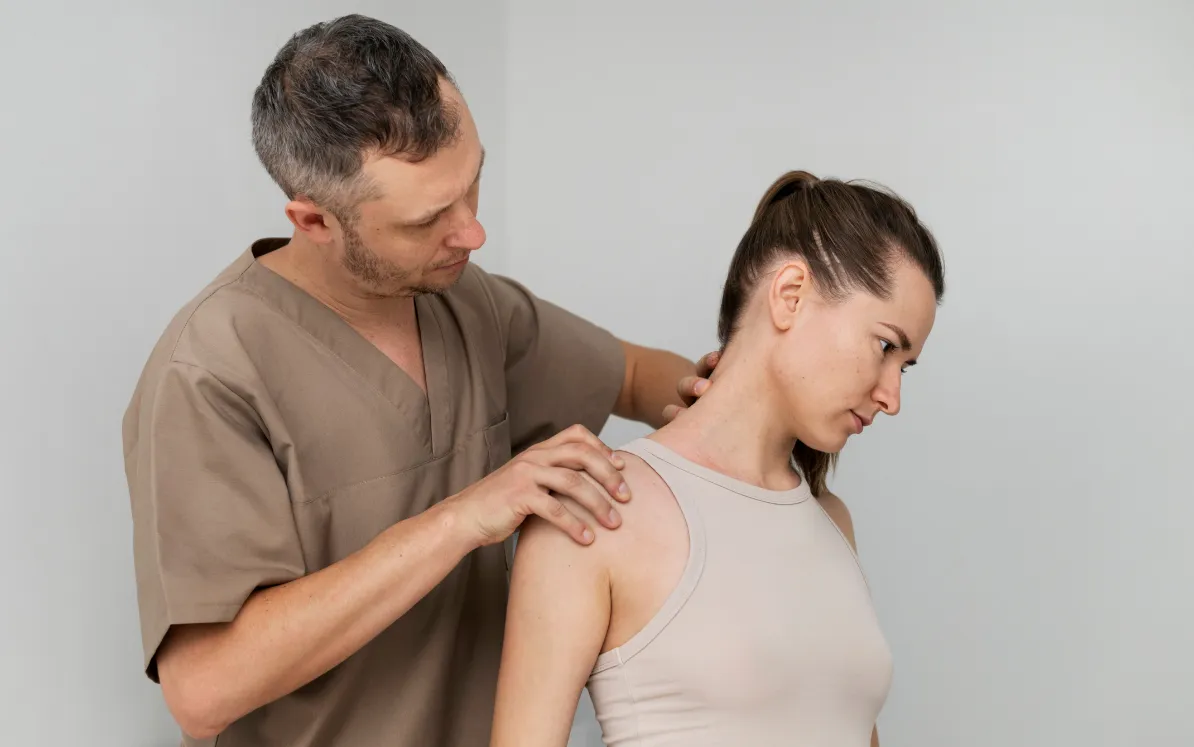
How Physical Therapy Helps Relieve Chronic Neck Pain Without Medication
Chronic neck pain can impact much more than just the neck. Persistent stiffness, aches, muscle tension, and limited mobility can make working and everyday activities uncomfortable, as well as making driving and sleeping difficult. Medications may sometimes be helpful for temporary relief, but they do not necessarily correct the underlying movement, posture, and muscle issues that are causing chronic pain. Physical therapy is a non-medication treatment that focuses on enhancing movement and developing strength for long-term recovery.
Through therapeutic exercise, manual techniques, posture education, and movement retraining, a personalized physical therapy programme can look for factors that could be associated with the neck pain and correct them. Professional rehabilitation can offer structured support and help patients to create strategies that they can eventually continue to use at home if people are looking for physical therapy in Fremont, California. The aim is not just to relieve discomfort but to enhance the person's general physical function and get him back to normal activities with a higher degree of comfort and confidence.
Understanding Chronic Neck Pain and Its Common Causes
Chronic neck pain generally refers to discomfort that persists for an extended period or repeatedly returns. It can be caused over time due to incorrect posture, sitting for long periods, repetition of movements, or long-lasting muscle tension. Many modern work practices are highly relevant, especially for occupations where the head is foraged forward while working much of the time at a computer and using a mobile phone.
Neck symptoms may also be due to previous injuries. Normal moving patterns can be disrupted by motor vehicle injuries, sports injuries, muscle strains, and joint issues long after the initial injuries have seemingly healed. Changes to the joints and discs that occur with age could also cause stiffness and pain.
Neck pain can come from a number of causes, making an individual assessment critical. Evaluating posture, strength, flexibility, joint movement, and functional limitations can be done by a physical therapist before creating an appropriate rehabilitation programme.
How Physical Therapy Helps Relieve Chronic Neck Pain
Physiotherapy treats chronic neck pain with specific techniques to work towards a better movement and function of the neck and surrounding region. Manual therapy for reducing joint stiffening, therapeutic exercises for building up strength of surrounding muscles, and stretching exercises to increase flexibility may be used.
The other crucial element is postural education. A therapist can evaluate a person's gait, posture, walking, and other actions during the day and suggest some practical changes. Better positioning and body mechanics of the workstation can eliminate unnecessary stress to the neck.
Exercise therapy can be used to strengthen neck, shoulder, upper back, and core musculature that will help support a better posture. There can also be movement retraining in the form of more efficient patterns, especially if pain has prevented patients from moving certain actions in an effective manner.
Physical therapy may also incorporate other appropriate therapeutic workout methods and neuromuscular re-education as and when indicated by the condition. And soft tissue mobilization. A personalized approach can be more effective in bringing about behavioural change than in simply palliating symptoms.
Benefits of Managing Chronic Neck Pain Without Medication
Reduced Pain and Muscle Tension
Physical therapy may be helpful for muscle tightness, limited motion, and physical weaknesses that can lead to problems in the neck region to help decrease the symptoms. Using manual techniques and exercises that have been selected appropriately can promote more optimal movement and can facilitate the release of tensed muscles.
A regular rehab program can also provide patients with the tools and information to identify activities or positions that place a greater strain. This can result in better proactive pain management, which can be more sustainable.
Improved Neck Mobility and Flexibility
Activities like turning the head, looking above, or going over traffic can become difficult with stiffness. There are some changes that can be made to the available range of movement with stretching, mobility exercises, and hands-on techniques.
Improved mobility can help improve comfort when doing everyday activities and reduce physical restraints on being able to work, exercise, or do household chores.
Better Posture and Body Mechanics
Having poor posture can cause unnecessary tension in the muscles and tissues in the neck area. Physical therapists can help patients learn to sit, stand, lift, and work in a more healthy alignment.
These lessons can especially be beneficial for individuals who have desk jobs. A few adjustments related to the screen height and the position of sitting and moving can go a long way in creating a more compatible neck mechanism during the working day.
Increased Strength and Physical Function
Instability or weakness of the neck, shoulders, and upper back may impact stability and/or movement. As muscles improve their ability to support and function, progressive strengthening exercises can assist.
Better strength may help you with daily tasks such as carrying your groceries or doing housework. It may also help you with exercise and returning to your recreational activities.
Lower Risk of Recurring Neck Pain
PT isn't just about managing symptoms. Enhancing vulnerable areas, flexibility, and correcting movement patterns will help to lessen contributing factors to repeat discomfort.
Patients may also be given home exercises and/or self-management strategies to follow to help continue progress beyond formal therapy sessions.
Greater Confidence With Everyday Activities
Extended pain can lead to individuals avoiding movements as a result of their concern about worsening their pain. Rehabilitation can gradually restore physical capacity and confidence as long as it is appropriate.
With mobility and strength increasing, patients will feel more comfortable being able to resume their usual routines, exercise, work, and social activities.
Physical therapy services may be able to help with comprehensive rehabilitation. For instance, a business can offer comprehensive movement and recovery therapy for patients during back pain rehabilitation, back pain relief Fremont, sports injury therapy Fremont and knee replacement rehab therapy. Parkinson's physical therapy in Fremont, Parkinson's physical therapy in Murrieta, CA, therapists for Parkinson's disease, and programs that involve LSVT BIG and LOUD can now broaden the spectrum of special treatment for the proper patient.
What to Expect During Physical Therapy for Chronic Neck Pain
This appointment starts with a physical assessment of their physical symptoms, medical history, posture, movement, strength, and flexibility. The therapist might also talk about daily activities, work requirements, and any past injuries to determine what might be factors in the problem.
After the assessment a tailored treatment plan can be designed. Manual techniques, therapeutic procedures, mobility, strengthening, posture work, and functional movement activities can be included in sessions. The exact techniques used will depend on the patient’s symptoms, goals, and physical capabilities.
Between appointments, patients are frequently provided with exercises to practise. Strict adherence to these recommendations can lead to progression and help patients to be an active part of their recovery.
People looking for physical therapy on Mowry Avenue will find that a professional service that is convenient will help them to make regular visits and complete a rehabilitation programme. This is needed because most of the changes that will enable you to be stronger, more mobile, and more habit-happy will likely take time to achieve, and you will have to work to make those changes seem like second nature.
Progress and the exercises should be monitored by a qualified therapist, who must tailor them to the patient's own progress. The programme may be adjusted based on changes in symptoms or if a movement becomes uncomfortable. This personalized approach aims to make rehabilitation appropriate and brings focus to the meaningful functional targets.
Conclusion
Physical therapy is a hands-on way of responding to any restrictions in movement, muscle tension, weakness, and any posture-related strain, which can help you manage CNP without using medications. Exercise and manual therapy, mobility training, and education can work towards improving comfort and ultimately physical function in the patient that is specific to their individual needs.
The gains may not end up being just a one-and-done cure for pain. Having better posture, stronger muscles, more flexibility, and increased confidence in everyday activities can increase the potential for remaining active and preventing neck issues from happening again. Other patient needs, such as back rehabilitation, sports injury rehabilitation, neurology rehabilitation, and post-surgery rehabilitation, will also be aided by a professional rehabilitation service.
If you experience chronic neck pain, a customised physical therapy programme will be a significant part of helping you regain mobility, reduce pain and restore a life of independence.
Frequently Asked Questions
Q1. What are the common causes of chronic neck stiffness?
Chronic neck stiffness often results from poor posture, muscle strain, arthritis, stress, prolonged screen use, previous injuries, or degenerative changes in the cervical spine.
Q2. Can physical therapy relieve chronic neck pain without medication?
Yes, physical therapy can reduce chronic neck pain through targeted exercises, manual therapy, posture correction, and strengthening techniques, often without relying on medication.
Q3. How many days of physiotherapy for neck pain?
Most people attend physiotherapy for 4–8 weeks, with two to three sessions weekly, depending on pain severity, recovery progress, and treatment goals.
Q4. What physical therapy exercises help chronic neck pain?
Gentle neck stretches, chin tucks, shoulder blade squeezes, cervical strengthening, and posture exercises help reduce pain, improve flexibility, and support long-term neck health.
Q5. Is physical therapy effective for long-term neck pain relief?
Yes, consistent physical therapy improves strength, mobility, and posture, helping reduce recurring neck pain while supporting long-term function and preventing future discomfort.


