
 Menu
Menu

Physical Therapy vs Surgery for Lower Back Pain: Which Is Better?
Lower back pain can interfere with walking, working, sleeping, exercising and much more. If they do have the problem, the first decision that is important for many is whether they should treat it conservatively (using physical therapy) or choose surgery. The decision depends on the specific condition(s) causing the pain, their severity, the individual's overall health, and the effectiveness of non-surgical treatments in alleviating the pain.
Physical therapy is an important first-line treatment option, as it targets improving function, flexibility, strength and movement without having any surgery. Surgical intervention may be warranted when symptoms are debilitating and worsening and other therapies have failed due to structural issues. Knowing the differences can benefit the patient's conversation with health care providers.
What Is Physical Therapy for Lower Back Pain?
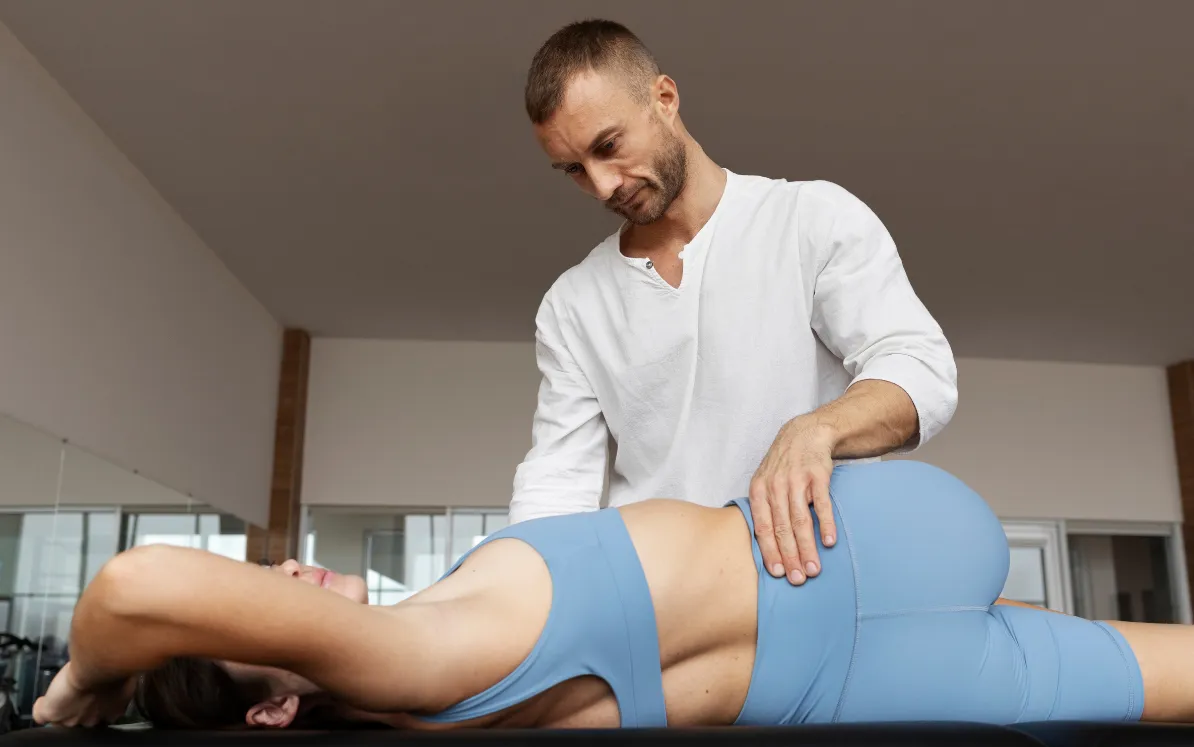
Physical therapy for lower back pain involves focused patient testing, exercise training and hands-on strategies to treat lower back pain and limiting factors. Before developing a specific treatment plan, a patient may be assessed by a physical therapist for posture, spinal mobility, muscle strength, flexibility, balance and movement patterns.
Therapeutic exercises that work on strengthening the core, hips and back, as well as improving flexibility and the control of movements, may be a part of the typical programme. Manual therapy, if necessary, may also be applied to increase joint mobility and/or decrease soft-tissue restrictions. Education is also an important factor, providing patients with strategies for moving safely and how to avoid exacerbation by undertaking activities.
Good back pain therapy is not merely about the short-term pain relief. Overall, the aim of this treatment is to enhance patients' physical function and increase their ability to get to work, exercise and live their daily lives with increased confidence.
Patients looking for physical therapy in San Jose, California, can get professional rehabilitation services, which offer individualised treatment plans for their patients. A licensed physical therapist in San Jose, CA, will be able to track their measurements and adjust their exercises once their strength, mobility and ability to function improve.
When Is Surgery Considered for Lower Back Pain?
Surgery is usually considered in patients if there is a specific structural problem that may be suited to surgery – such as severe symptoms and/or neurological symptoms that may persist or if the symptoms are severe. In some cases, a condition like a herniated disc, stenosis of the spine or a great abnormality may require surgical assessment.
When conservative treatment has failed despite following a proper course of treatment, or when symptoms like marked weakness, declining neurologic function, or other abnormalities are noted, procedures such as surgery could be more relevant. When urgent conditions exist involving significant nerve compression, it is important to have prompt medical evaluation.
Surgery, however, isn't always the easiest decision to make if there is long-term back pain. A specialist should examine the cause of symptoms and review the surgery's benefits, limitations, and risks before recommending it. The length of pain should not be the only basis on which a decision is made.
Physical Therapy vs Surgery: Key Differences
Treatment Approach
In the beginning, the difference is that physical therapy applies non-surgical healing methods that will make the body move and function better, while surgery is a surgical procedure that changes or repairs a physical issue.
Physical therapy can be progressive strengthening, mobility exercises, manual techniques, movement retraining and education. The usual treatment is adjusted on a case-by-case basis, dependent on the reaction to treatment. This method may be helpful if weakness or decreased flexibility or deconditioning accompanies pain.
Surgery is more invasive and will target specific anatomical issues. This can be either to remove damaged tissue, decompress nerves or stabilise part of the spine. It might be very useful for suitably chosen patients, but full recovery and rehabilitation are needed.
Recovery and Rehabilitation
Physical therapy rehabilitation is a progressive process. Routine, low-intensity movements that can be progressively progressed to strengthening, functional exercises and activities representative of their daily lives. The rate of progression may be different depending on the cause and severity of the condition.
Opt for surgical recovery, which is made up of the initial healing stage and the recovery stage. Often physical therapy will play a vital role in the recovery process and will help the patient build strength, movement and confidence in a safe manner. It will vary depending on the surgery and the person's general conditions and post-operative guidelines.
Risks and Considerations
PT is typically a conservative treatment done, but with the introduction or increase of exercises or manual techniques, it may initially worsen soreness. Treatment must take place within proper clinical guidelines and must be adjusted as per changes in the symptoms.
As with any surgery, there are risks that come from the act of surgery, including the risk of infection, loss of blood, risk of adverse reactions to the anaesthetics and risk of complications unique to spinal surgery. There may also be some restrictions and the need for a period of downtime.
Nothing eliminates the possibility of surgery! It can make a valuable contribution in the right person. The important thing is to have the proper diagnosis and the knowledge of the indication of a recommended treatment.
Long-Term Results and Lifestyle
Both of these can be helpful in long-term recovery. Physical therapy can increase muscle strength, optimal movement patterns and optimise different physical abilities, potentially aiding continued spine health.
While surgery may effectively treat a structural issue, after surgery it's crucial to keep strength, mobility and healthy movement up. Healthy habits and good ergonomics at work, maintaining a healthy weight, and regular exercise also play a role in your long-term back health.
Personalised physical therapy services have already offered an organised journey for patients from pain to useful performance for professional rehabilitation ventures. The same rehab skills may be useful to those recovering from other forms of rehabilitation, for instance, neurological movement-hindering or knee replacement rehab therapy.
Can Physical Therapy Be Used After Back Surgery?
Yes. When medically appropriate, physical therapy is often used along with back surgery treatment. The rehab programme should be tailored to the particular surgery and the stage of healing and the surgeon's recommendations.
Restoring Strength and Mobility
Following surgery, decreased activity may be a factor in weakness and stiffness of the muscle. A well-planned rehabilitation programme can assist in regaining muscle strength for the muscles supporting the body, hips and legs and improve spinal and general mobility, step by step.
Exercises are added as the patient progresses from one stage to the next in their recovery, NOT according to a “one size fits all” protocol. Multi-trunked patterns can be tracked by the therapist, and activities can be adjusted based on improvement in functional ability.
Improving Walking and Functional Movement
Following surgery, walking may be an essential component to recovery. Physical therapy can be used to help patients gradually improve walking tolerance and improve posture, balance and efficiency of walking movements.
Rehabilitation might include functional movements as recovery continues, including standing from a seated position, climbing, reaching, etc., as needed at home or work. The practical approach can assist patients in becoming independent.
Supporting a Safe Return to Daily Activities
Postponing activities if the body needs more time to heal can be a waste. PT can offer you information on how to gradually increase activity with strength and mobility and with respect to symptoms.
Patients may be able to learn safe patterns of employment and gradually progress towards recreational, occupational and/or exercise goals.
Following a Surgeon-Approved Rehabilitation Programme
The rehabilitation process should always follow the surgeon's recommendations and guidelines. Physical therapists and surgical teams can collaborate to ensure exercise prescriptions and progress to function are considered for the procedure and recovery phases.
This application of a coordinated approach is of special value for rehabilitation businesses in order to create continuity of care and make patients aware of their recovery goals and responsibilities.
How to Decide Between Physical Therapy and Surgery
Physical therapy or surgery should be considered beginning with an accurate diagnosis. Treatment decisions are affected by the cause of LBP, severity of symptoms, functional limitations and the presence of neurological signs.
If there is no great urgency for surgery, it may be worthwhile to seek a suitable course of conservative therapy as a first step. Rehabilitation may be warranted to maintain improvement and even further enhance function if symptoms improve and function is enhanced. Sometimes, a surgical consultation may be needed if symptoms continue to be troublesome or if a structural problem can only be addressed by surgery.
Patients need to take into account their own objectives as well. A person with a primary goal of going back to the ability to walk, work or do recreational activities may want to consider a rehabilitation model. If they have severe nerve compression or worsening weakness, they may need more in-depth specialist evaluation.
A skilled clinic can guide a patient in making this decision by evaluating the way an individual moves, setting measurable objectives, and providing information when the need for more medical assessment may exist. This patient-centred approach can also support businesses in the healthcare sector to deliver better continuity and to design better services for patients.
Facilities that have rehabilitation specialists can also provide services to people with a wider range of mobility issues. For instance, a therapist treating a person who has parkinson's disease might employ a technique called neurological rehabilitation, which facilitates the freedom of movement and independence of the patient. LSVT BIG and LOUD might be applicable to those who are good candidates for Parkinson's disease, and Parkinson's physical therapy in Murrieta, CA, speaks to the kind of community-situated services a patient may be looking for when it comes to specialised neurological care. Similarly, 'physical therapy San Diego California' is another localised search, displaying demand for rehabilitation that's accessible.
In the long run, there's no certain "best" method of intervention physical therapy or surgery. It will depend on diagnosis, clinical findings, treatment response and the individual. The decision on the most appropriate course of action, such as conservative management, specialist evaluation or a mixture of both, can only be decided by a healthcare professional.
Conclusion
There are different roles for physical therapy and surgery in the treatment of lower back pain. Physical therapy is a non-surgical treatment that is directed toward improving strength, movements, movement control and how the person functions in their daily life, and surgery may be warranted when a specific anatomical condition needs surgery or if severe symptoms occur that require expertise.
When patients don't have immediate surgical indications, physical therapy can play an important role and can often be a first step. In cases where surgery is required, rehabilitation can still be useful in the recovery process to regain strength, walking function, mobility and independence.
The best decision, therefore, is not an overall treatment choice but rather finding the best treatment for each person based on their condition and their goals. If well assessed, guided by a professional and with a well-designed rehabilitation plan, patients can take positive steps towards minimising their limitations and enhance their long-term physical function.
Frequently Asked Questions
Q1. What type of therapy is best for lower back pain?
Physical therapy is often effective, combining stretching, strengthening exercises, posture training, manual therapy, and personalised movement plans to reduce pain and improve mobility.
Q2. Does physical therapy actually help lower back pain?
Yes, physical therapy can reduce lower back pain, improve flexibility, strengthen supporting muscles, restore movement, and reduce the risk of recurring pain.
Q3. What's the fastest way to heal lower back pain?
The fastest approach depends on the cause, but staying active, using appropriate exercises, improving posture, and following professional treatment can support recovery.
Q4. Can Lower Back Pain Heal Without Surgery?
Yes, many cases of lower back pain improve without surgery through physical therapy, exercise, lifestyle changes, medication, and appropriate professional guidance.
Q5. What Is the Success Rate of Back Pain Therapy?
Success rates vary depending on the condition and treatment. Many patients experience meaningful pain relief and improved function through personalised physical therapy programmes.


