
 Menu
Menu

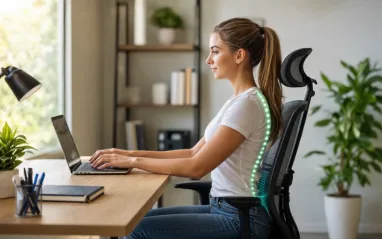
Proper Posture: The Foundation of Pain-Free Living
In our modern world of desk jobs, smartphones, and sedentary lifestyles, maintaining proper posture has become more challenging than ever. Yet, good posture remains one of the most fundamental aspects of physical health and pain prevention.
Why Posture Matters
Proper posture is more than just standing up straight – it's about maintaining the natural curves of your spine and keeping your body in optimal alignment. Good posture:
- Reduces stress on muscles, ligaments, and joints
- Improves breathing and circulation
- Enhances energy levels and reduces fatigue
- Prevents chronic pain conditions
- Boosts confidence and appearance
Common Postural Problems
Many people develop postural imbalances without realizing it:
- Forward Head Posture: Head positioned ahead of the shoulders
- Rounded Shoulders: Shoulders rolled forward and inward
- Kyphosis: Excessive rounding of the upper back
- Anterior Pelvic Tilt: Pelvis tilted forward, creating excessive lower back arch
- Sway Back: Hips pushed forward with upper body leaning back
Workplace Ergonomics
Since many of us spend hours at a desk, proper workplace setup is crucial:
- Monitor at eye level to prevent neck strain
- Feet flat on the floor with knees at 90 degrees
- Elbows close to your body with forearms parallel to the floor
- Lower back supported by your chair
- Take breaks every 30-60 minutes to move and stretch
Exercises for Better Posture
Strengthening and stretching specific muscle groups can dramatically improve your posture:
Strengthening Exercises:
- Wall slides for upper back strength
- Planks for core stability
- Rows to strengthen rhomboids and middle trapezius
- Glute bridges for hip and core strength
Stretching Exercises:
- Chest doorway stretches
- Upper trap stretches
- Hip flexor stretches
- Thoracic spine mobility exercises
Daily Habits for Better Posture
Small changes in your daily routine can make a big difference:
- Set hourly reminders to check your posture
- Sleep with proper pillow support
- Carry bags evenly distributed
- Wear supportive, comfortable shoes
- Practice mindful movement throughout the day
Remember, improving posture takes time and consistency. If you're experiencing pain or have concerns about your posture, consider consulting with a physical therapist who can provide personalized assessment and treatment recommendations.


