
 Menu
Menu

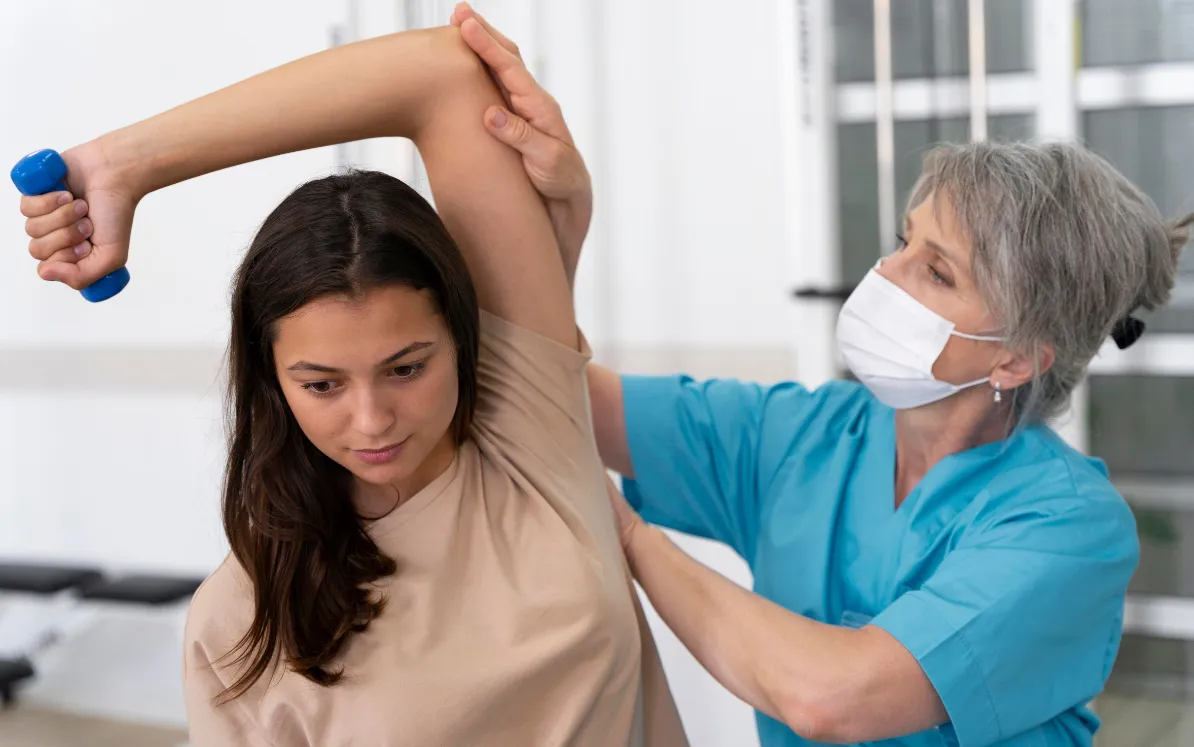
Top Physical Therapy Techniques Used for Parkinson's Disease Treatment
Parkinson's condition is a progressive disease that affects motor skills, balance, posture and coordination as well as the ability to engage in everyday tasks. Changes like shaking, stiffness, and difficulty moving and running may increasingly make daily activities more difficult. Medication can be a key component of the management of Parkinson's, but physical therapy can also be a valuable component to keeping someone moving, improving their movement and maintaining their independence.
Modern physical therapy techniques are designed according to the individual's set of symptoms, functionality and objectives. Strengthening exercises, gait training, balance activities, flexibility training and practice of movement that is specific to a person's tasks may all be included in a personalised programme. People looking for Parkinson's physical therapy in Fremont can find structured support to help manage the movement differences and keep active with the help of an experienced rehabilitation team.
Why Physical Therapy Is Important for Parkinson's Disease
Physical therapy can help with some of the motion issues that come with the diagnosis of Parkinson's disease. Treatment isn't limited to treating just individual symptoms; it can be directed at strength, flexibility, balance, coordination and an ability to walk and perform functional movement.
A physical therapist assesses the individual's movements and creates exercises to address their needs as a result of the disease. Prompt and regular therapy can support healthy movement and allow individuals to function physically longer and safely find ways to manage their movement challenges.
If you're seeking physical therapy fremont california, you may consider professional neurological rehab, which offers organised therapy aimed at mobility and functioning. A skilled therapist for parkinson's disease can also help inform patients and families of safe movement practices, safe exercise routines and when/if changes to activities are needed.
Top Physical Therapy Techniques for Parkinson's Disease
Physical therapy treatments for PD can include multiple evidence-based methods or a combination of them. Treatment varies based on symptoms, fitness, severity of the condition, and the individual's health objectives.
Therapeutic Exercise for Strength and Mobility
The role of therapeutic exercise is to exercise muscles so as to preserve muscle strength and capacity. Exercises can focus on different muscle groups. Therapeutic exercises can target various muscle groups used in daily activities, including the legs, arms, and core. in daily life, such as legs, arms and core.
Lower body exercises can aid in standing, walking and climbing the stairs, and mobility exercises may help mitigate the impact of stiffness. A therapist can adjust resistance, repetitions and intensity according to the person's abilities.
Balance and Stability Training
Imbalance may be a risk factor for falls in persons with Parkinson's disease. Balance & stability training is about developing the body's control when standing up, turning, reaching and changing direction.
Exercises can be weight shifting, stepping and balance exercises with movement. These exercises can be helpful for the patient to practise how to alter his/her centre of gravity to develop safer ways to move.
Gait Training for Better Walking
Walking alterations are typical in Parkinson's disease and can involve decreased arm swing, changes in step length (stepping shorter), slower speed, lagging behind, and slower speed or difficulty starting or changing direction. Gait training is the specific individual's gait pattern and the development of practical strategies for safe gait movement.
Physical therapists can give visual or physical cues to facilitate taking bigger steps, better timing and foot placement. Turning, running over obstacles, and altering walking pace are other aspects of walking practice.
LSVT BIG and Large-Amplitude Movement Training
LSVT BIG is an individualised movement technique that helps individuals with Parkinson's disease make bigger, bolder movements. Over time in Parkinson's disease, symptoms can become smaller and slower, so larger movements can increase functional mobility and movement awareness.
While people may look up LSVT BIG and LOUD, LSVT BIG is concentrated on physical and occupational therapy for movement, and LSVT LOUD is a speech programme. A qualified professional or healthcare practitioner can tell whether a large-amplitude movement programme is recommended for a person.
Postural Training and Alignment
As the condition of Parkinson's progresses, postural changes can occur, impacting comfort, stability, and effectiveness of movement. Postural training relates to sitting, standing and walking positions of the body.
Therapy may involve exercises for the trunk, shoulders and hips as well as teaching about maintaining an upright posture with activities of daily living. Increased postural awareness can help aid in smoother movement and prevent unnecessary strain.
Flexibility and Range-of-Motion Exercises
Joint stiffness and decreased joint mobility can escalate to make movement more difficult. Flexibility and range of motion exercises maintain motion around important joints and promote comfort in functional activities.
Stretches can be performed on the hip, shoulders, spine and legs, among other places. The exercise progressions should be done safely and systematically, and the intensity of the exercise should be progressed according to the individual's condition.
Neuromuscular Re-Education
Neuromuscular re-education exercises enable people to practise breath control and coordinate the messages that are being sent from the nervous system to the muscles. This may be beneficial to use when a person has PD that impacts movement timing, balance, or motor control.
Repetitive movement practice, external cues, and controlled functional activities are used by a therapist to practise more efficient movement patterns. The goal is to raise patients' conscious awareness of their movement patterns and develop strategies to facilitate safe movement.
Functional Movement and Task-Specific Training
The exercises should be related to everyday activities. Task-specific training gets the patient to practise movements which they need to perform often, e.g., to get out of the chair, to get in and turn in bed, to reach for items or when walking.
This technique is usable and focused on objectives. Patients are taught movement strategies for real-life situations, rather than just in exercises that may help them build confidence and independence to function.
Benefits of Physical Therapy for People With Parkinson's Disease
A personalised rehabilitation programme could be advantageous to those living with Parkinson's. For some, the results can differ, but therapy is a key component of keeping people functioning and involved in life.
Improved Walking and Mobility
Gait and movement training is offered, which encourages patients to practise more effective walking patterns. Improved step control, showing how to initiate steps and how to turn them, can have a positive impact on how everyday mobility is managed.
Better Balance and Fall Prevention
The balance exercises allow practices for controlled movements, supervised and in a safe environment. Enhanced balance reactions and safer movement strategies could help to minimise the risk of falls.
Increased Strength and Flexibility
Strength and flexibility activities can assist with keeping fitness levels up. Avoiding joint stiffness and muscle tightness allows for necessary motion and functioning, including standing, walking, reaching and moving from one position to another.
Improved Posture and Movement Control
Postural exercises can increase body awareness, and neuromuscular training can help to facilitate body control around movements. When combined, these can make for more functional and efficient mobility.
Greater Independence With Daily Activities
Functional training relates to how we move throughout our everyday lives. Transfers, such as walking or reaching, and other activities can be practised to help patients develop a strategy that will help their lives become more functional.
Increased Confidence During Movement
However, when a person is unsure of his or her balance or stability, he or she might not be as active as normal. Structured therapy offers a safe environment to practise movement and to develop skills in confidence building over time.
In a professional rehabilitation practice, neurological physical therapy in Fremont may be offered as a specialised service along with other services like sports injury therapy in Fremont, back pain relief in Fremont or knee replacement rehab therapy to meet all patients with various needs. The implementation of specialised programmes reflects a holistic rehabilitation approach and the ability of businesses to cater for various patient groups with targeted- and goal-orientated rehabilitation.
When Should Someone With Parkinson's Disease Consider Physical Therapy?
Physical therapy might be a possibility very soon after a diagnosis of Parkinson's disease is given, especially if someone notices differences in how they walk and stand, how they balance, changes in their strength or flexibility or how they move in their daily activities. Treatment doesn't always have to start once prominent mobility difficulties have arisen.
The physical therapist can conduct a baseline and will be able to determine areas that may benefit from interventions. If a patient can be provided with initial guidance to help them learn exercise techniques and strategies to move in the right way, then difficulties will not become more limiting than they need to be.
Any individuals who have fallen before, have freezing episodes, have trouble standing from a seat, have limited walking capacity or increased stiffness should talk with their healthcare provider about physical therapy. People seeking physical therapists in Fremont or physical therapists near Mowry Avenue can find therapists who are knowledgeable in neurological rehabilitation and treatment of Parkinson's disease.
Other programmes like Parkinson's physical therapy in Murrieta, CA, can also offer patients specific rehabilitation that is located specifically there. The best programme will depend on the patient's symptoms, medical history, aims, etc. and their general physical capacity.
Conclusion
Parkinson's disease can cause progressive difficulties with walking, balance and posture as well as strength, flexibility and functional movement. A structured approach to overcome these challenges is provided by physical therapy, with its individualised exercise and movement strategies.
All of these techniques may be components of a holistic rehabilitation programme, and they might be implemented to support each other. The aim is NOT to exercise; it is to enable the person to move more safely, to maintain physical function and to be as independent as possible.
If you are looking into Parkinson's physical therapy in Fremont, selecting a reputable geriatrics rehabilitative expert who has experience with neurological disorders can help ensure that therapy is more purposeful and relevant to you. A well-designed programme can help those with mobility issues and confidence and can continue to be used alongside other health care interventions that manage Parkinson's disease.
Frequently Asked Questions
Q1. What exercises are best for Parkinson’s disease?
Regular aerobic exercise, strength training, balance exercises, stretching, walking, cycling, and dance can help improve mobility, strength, coordination, and overall physical function.
Q2. Can physical therapy improve walking with Parkinson’s?
Yes, physical therapy can improve walking by addressing balance, strength, gait patterns, coordination, and movement strategies tailored to each person’s needs.
Q3. Does LSVT BIG help Parkinson’s?
Yes, LSVT BIG can help people with Parkinson’s improve movement amplitude, mobility, coordination, and performance of everyday activities through intensive, personalised exercises.
Q4. How does physical therapy help people with Parkinson’s disease?
Physical therapy helps manage movement difficulties by improving strength, balance, flexibility, walking, coordination, posture, and independence during daily activities.
Q5. Can physical therapy improve Parkinson’s disease symptoms?
Physical therapy cannot cure Parkinson’s disease, but it can help manage symptoms and improve mobility, balance, strength, flexibility, and quality of life.


