
 Menu
Menu

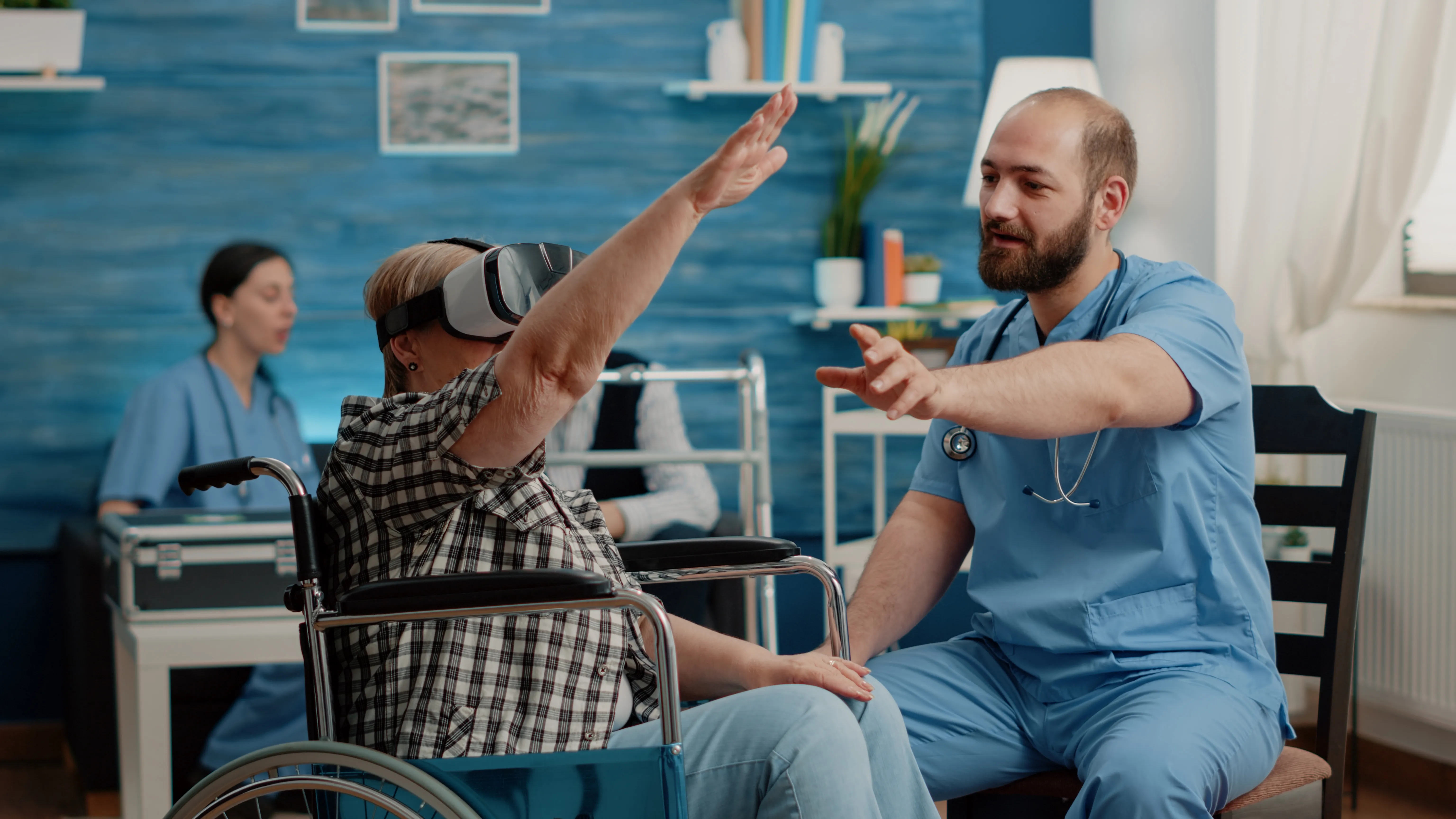
Why Is Occupational Therapy Important for Recovery and Independence?
Recovering from an injury, illness, long-standing illness or surgery can take more than the use of medication. Recovery is difficult for many people due to mobility, coordination, daily functioning, and emotional self-confidence. This is where occupational therapy can really help. It teaches people safe and independent functioning of daily activities and enhances their quality of life.
Occupational therapists offer individual support to improve function and confidence to children and young people with development needs, to people recovering from surgery/stroke, and to older people. Rehabilitation centres with technology in Fremont are not just using up-to-date rehabilitation techniques but also patient-centred rehabilitation to help their patients come back into a job, home and social life efficiently.
Occupational therapy helps the population with neurological issues, chronic pain, and physical impairments in addition to rehabilitation. Occupational therapy care in Fremont is often done alongside physical therapy in Fremont, California, by professionals to manage patients' recovery optimally.
What Is Occupational Therapy?
Occupational therapy is a specialised form of health care treatment aimed at teaching, recovering, or sustaining abilities to engage in it on a daily basis and work. The main objective is to optimise independence and promote participation in meaningful activity when there are physical, cognitive, or emotional restrictions.
The occupational therapists evaluate individual patients and form individualised therapy plans to address mobility, coordination, strength, cognitive function, and self-care. The type of treatment can involve exercise, adaptive techniques, sensory training, and modifying the environment.
Occupational therapy is highly successful in helping people who have undergone surgery, have neurological diseases, have sports injuries, or are chronically ill. Typically, iMotion Physical Therapy Fremont includes both occupational rehab and other treatment kinds like sports injury therapy Fremont and pain management programmes for an improved final result.
How Occupational Therapy Promotes Independence
Helping Patients Perform Daily Activities Safely
An occupational therapist's most vital role is to help patients be able to return to functioning tasks safely and with confidence. Post-injury or illness, dressing, bathing, cooking, eating, and walking might become challenging activities. Occupational therapists help patients with fun activities and techniques to develop more coordination and physical control.
Structured rehabilitation programmes can be useful for patients with neurological conditions or fractures/surgery to enable them to become increasingly independent. Fall prevention, healthy sitting and lifting patterns, and minimising physical strain during activities of daily living (ADLs) are discussed during therapy sessions as well.
Often, people undergoing back pain relief Fremont programmes also take advantage of occupational rehabilitation to enhance comfort and function throughout recovery, especially when undergoing therapy for chronic pain.
Teaching Adaptive Techniques for Better Living
In many cases, patients need to learn how to do things differently for daily activities. OTs educate in strategies that optimise the effectiveness of the person completing the task while minimising stress to the body.
For instance, individuals with arthritis might be taught techniques for protecting their joints; patients suffering from stroke could be given some practice in one-handed tasks around the home. Such adaptable strategies are aimed at keeping patients independent and preventing further injuries.
Families and carers are also being educated on how to ensure that they are able to assist the individual safely at home while supporting them in a therapeutic way. This will help in achieving the better recovery rates and boost patients' trust in the treatment process for a much better long-term result.
Use of Assistive Devices and Equipment
There is a close association between assistive devices and occupational rehabilitation. Occupational therapists assess the needs of every patient and recommend appropriate equipment to enhance mobility and safety.
These will be devices such as:
Walking aids
Support must be provided with grab bars and support rails.
Adaptive kitchen tools
A seating support or wheelchair. A wheelchair or a seating support.
Ergonomic workstations
Appropriate use of equipment minimises the strain on patients' bodies and enables the patient to undertake activities with greater independence. Rehabilitation centres that make a provision for occupational therapy services in Fremont offer correct advice on selecting and utilising assistive devices that provide the best possible advantage.
Enhancing Independence for Elderly Individuals
Common problems in older people include mobility problems, problems with balance, and memory, which can have an impact on everyday life. Occupational therapy enhances strength, coordination, and awareness for safety in day-to-day living tasks and activities and helps elderly people to remain independent for as long as possible.
Treatment modalities can include fall risk or prevention, home modification, and memory and mobility enhancement. Specialised treatments like Parkinson's physical therapy in Fremont, designed to assist patients in managing their movement and enhancing their independence, can be advantageous for elderly persons who have suffered from a stroke or brain disorder.
Occupational therapy greatly enhances emotional health and well-being in older persons who are able to perform daily activities.
Occupational Therapy Techniques and Treatment Approaches
Therapeutic Exercises for Physical Recovery
Therapeutic exercises aimed at strengthening, stretching, balancing, and coordinating are a big component of occupational rehabilitation. Carefully chosen based on the patient's condition and recovery objectives.
Those recovering from orthopedic injuries or surgery can engage in stretching exercises, hand coordination activities, and activities to correct their posture. Therapists give careful attention to the progress made, and gradually ramp up the intensity of exercises as progress is made.
Occupational and physical rehabilitation are combined by many rehabilitation clinics that include physical rehabilitation near Mowry Avenue, all in an effort to provide adequate support for patients that have musculoskeletal ailments and are having trouble using their bodies.
Cognitive and Sensory Rehabilitation Activities
OT also works on cognitive/sensory issues that impact a person's ability to function in their occupation. Brain injury, stroke, or neurological disease patients might have certain problems with coordination, sensory processing, attention, and memory.
Specific exercises that address concentration, problem-solving, reaction time, and sensory integration are used by therapists. These exercises are to help them get back their confidence and acquire the skills to be able to do their tasks without help afterwards.
Sensory rehabilitation can be particularly useful for individuals with developmental conditions and adults suffering from a neurological traumatic event.
Personalised Treatment Plans for Long-Term Results
Patients' needs and objectives vary from person to person, making personalised treatment plans a necessity in occupational rehabilitation. A holistic evaluation might occur by therapists to realistically assess the patient's physical capabilities, lifestyle needs, work demands, and long-range objectives.
The treatment plan is then tailored to tackle specific issues and fosters gradual progress over time. This individualised strategy leads to better recovery results and promotes patients' independence in a lasting way.
Occupational therapy in Fremont is typically integrated into rehabilitation care plans by professional therapy providers like iMotion Physical Therapy Fremont, which might also include pain management, mobility training, and wellness services.
Benefits of Early Occupational Therapy Intervention
Preventing Long-Term Complications
Good early intervention is essential for avoiding long-term physical and functional complications. A postponement in rehabilitation may cause muscle weakness, decreased liquidity, persistent pain and diminished autonomy.
In the early recovery period, occupational therapy helps keep patients moving, circulation moving and stiffening away. Therapists also check the risk for additional injuries or complications and put strategies in place to prevent this.
Early rehabilitation, particularly following surgery, neurological events, or after severe injuries, is especially critical for good long-term results if patients' movement and training programmes begin early in the process.
Faster Recovery and Improved Quality of Life
Early occupational therapy is generally more successful when patients can have a greater recovery rate and a better overall outcome. Regular treatment will result in enhanced physical function, a sense of confidence and less emotional stress due to lack of independence.
An occupational therapist will support the person getting back to their daily life more quickly, which will improve their physical and mental health. An improvement in self-esteem, motivation and involvement in social and family life are common patients' concerns.
Occupational rehabilitation, along with sports injury therapy in Fremont and back pain relief in Fremont, can also help get them on the road to recovery more quickly and help to improve overall health outcomes.
Helping Patients Return to Work and Daily Routines
A return-to-work programme following injury or illness can be both physically and emotionally demanding. An occupational therapist is able to assist patients in developing skills used at work: mobility, endurance, coordination and ergonomically safe work practice.
Workplace changes and/or adaptive equipment designed to minimise strain and increase productivity may also be recommended by the therapist. This service is designed to help patients feel more confident to resume work and other responsibilities.
Additionally, businesses can benefit from occupational rehabilitation by having employees that are properly rehabilitated, who are less likely to suffer from repetitive injuries or extended absences.
Choosing the Right Occupational Therapy Services
Choosing the right rehab provider is crucial to successful rehab results. Specialist care, tailored treatments, updated rehabilitation facilities and comprehensive care are things patients should seek.
An occupational therapy care fremont may be a clinic that offers many other services, such as physical therapy, neurological rehabilitation, and wellness services all rolled into one. This holistic practice approach delivers patients a comprehensive and balanced therapy according to patient recovery objectives.
Reputation is also a key factor as well; a facility with a strong reputation will be conscious about treating patients first and foremost and employ evidence-based rehabilitation methods. An occupational therapy centre that specialises in occupational therapy techniques can offer guidance, support and expertise to achieve long-term independence and enhanced quality of life.
Conclusion
The role of occupational therapy is vital in assisting a person regain the function and wellbeing they have lost due to injury, illness, or loss of function and the confidence and independence they previously had. As they work through these possibilities, a personalised rehabilitation plan is created together, along with a summary of it, adaptive training, therapeutic exercises, and assistive support which helps the patient take back control of their daily life.
Occupational therapy offers permanent physical and emotional benefits to individuals, regardless of whether they are helping older seniors improve their independence, assisting injured workers to get back to work or helping them recover after surgery. Occupational therapy services in Fremont, integrated rehabilitation programmes, and specialised rehabilitation care continue to assist patients to live more safely, healthily, and independently.
Early rehabilitation and the provision of professional therapy interventions offer several benefits, including quicker recovery, better mobility and a way to enjoy a much improved quality of life.
Frequently Asked Questions
Q1. Does occupational therapy help with independence?
Yes, occupational therapy improves independence by helping people develop essential daily living, work, and self-care skills through personalised treatment plans and practical strategies.
Q2. Why is therapy important in recovery?
Therapy supports recovery by improving physical function, restoring mobility, reducing pain, building confidence, and helping individuals safely return to daily activities and routines.
Q3. What are the 4 pillars of practice in OT?
The four pillars of occupational therapy practice include clinical practice, education, leadership, and research, ensuring high-quality, evidence-based care and continuous professional development.
Q4. What is the most common reason for occupational therapy?
The most common reason for occupational therapy is helping individuals regain independence in daily activities after injury, illness, surgery, disability, or age-related conditions.
Q5. What is a red flag in physical therapy?
A red flag in physical therapy includes severe unexplained pain, sudden weakness, numbness, fever, or loss of bladder or bowel control requiring immediate medical evaluation.


