
 Menu

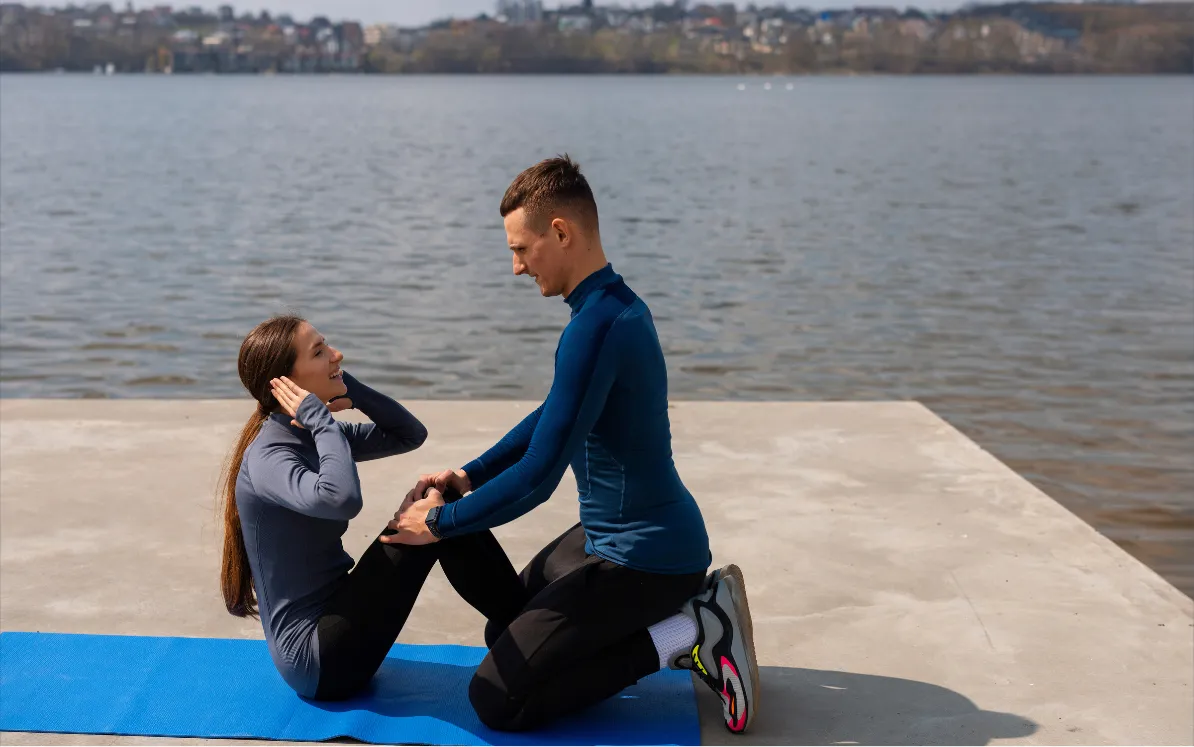
Land Therapy vs. Aquatic Therapy: Which Is Better for Your Recovery?
Recovering from an injury, managing chronic pain, or rebuilding strength after surgery often requires a structured rehabilitation program. However, choosing the right type of physical therapy can make a significant difference in comfort, progress, and the ability to return to everyday activities. Two common rehabilitation approaches are land therapy and aquatic therapy, both of which offer unique advantages depending on a patient's condition and physical limitations.
Land therapy focuses on exercises performed on a solid surface, helping patients develop strength, balance, flexibility, and functional movement. Aquatic therapy uses the supportive properties of water to make exercise more comfortable while reducing stress on the joints. Understanding aquatic therapy vs land therapy can help patients make informed decisions about their recovery and identify the treatment approach that best supports their individual goals.
Understanding Land Therapy and Aquatic Therapy
Land therapy involves a variety of exercises that utilize your body weight, resistance machines, balance training, and functional movements. These can include stretches, strengthening exercises, walking, and mobility exercises to improve physical function. This will help you complete the movements needed in daily life, at work, and in recreation.
Aquatic therapy involves performing specific exercises in a therapeutic pool. Due to the buoyancy of the water, the effects of gravity are reduced in weight-bearing joints. Water resistance also helps to build muscle strength. Additionally, in some therapeutic pools, the water temperature may be increased to increase comfort during movement.
Depending on your level of pain, strength, balance, medical history, goals of treatment, and ability to safely complete exercises, either land therapy or aquatic therapy may be most suitable for you to help in your rehabilitation.
How Land Therapy Supports Physical Rehabilitation
Land-based therapy can help to build strength within the body and help complete everyday movements. As it is completed on land, it means you are completing exercises in a setting similar to daily life.
Building Strength Through Weight-Bearing Exercises
Completing resistance exercises during land therapy can help to build muscle strength. By completing squats, step ups, lunges, and controlled leg movements, muscle strength can be improved in the lower body. Upper body exercises can improve strength within the shoulders, arms, and back.
Weight bearing exercises will help you complete movements such as walking, climbing stairs, standing for longer amounts of time, and lifting items. Your physiotherapist can adapt exercises, including resistance, number of repetitions, and intensity of movements, depending on how far along your recovery is. This can reduce the risk of overexertion.
Improving Balance, Coordination, and Mobility
Balance and coordination can be very important in completing movements safely, especially in older people and those recovering from injuries or neurological conditions. Exercising on land may involve walking, balancing on 1 leg, controlled weight shifting, and changing direction.
These can help to increase control within the muscles involved in balance. If balance improves in this way, completing everyday tasks can become easier. If exercise is prescribed correctly, balance can improve and reduce the risk of falling.
Restoring Functional Movement for Daily Activities
It is important to perform exercises that will allow you to complete daily tasks with ease. During land therapy, functional movements may include sitting and standing, reaching, bending, walking, and stepping.
When completing these movements with correct form, you can gain confidence and improve the efficiency of movement. This can be very helpful for returning to work, housework, sports, or independent living after injury or medical treatment.
Land Therapy vs. Aquatic Therapy for Different Conditions
Depending on your condition, one form of therapy may be more beneficial to you than the other. Some people may benefit from gentle movement with water early in their recovery, while others may benefit more from strength building and functional movements. Sometimes combining both therapies can give you a comprehensive rehabilitation.
Arthritis and Chronic Joint Pain
Arthritis can cause pain, stiff joints, swelling, and limited movement. Completing movement in water can be easier for people with joint pain in the knee, hip, and ankle, as the buoyancy in the water reduces weight bearing.
Strengthening exercises on land can help you gradually build strength to support your joints during daily activities. Strengthening the muscles around joints can help support and increase control of movement in joints. Those with arthritis may benefit from beginning their rehabilitation in water and moving to land exercises once they have become more comfortable and are able to complete exercises.
Back Pain and Spinal Rehabilitation
Those with back pain may struggle with bending, lifting, sitting for long periods of time, and standing. Treatment for back pain may involve mobility, strengthening the core muscles, improving posture, and gradually improving movement.
Aquatic therapy can be helpful in completing gentle movements with less pressure on the spine. Land-based therapy can improve core strength and support muscles and help you learn movements to complete during daily tasks. The severity of symptoms, limitations in function, and professional guidance can determine which therapy is best.
Post-Surgical Rehabilitation
After surgery, people may experience limited mobility, weakness, reduced flexibility, and difficulty weight-bearing. If appropriate healing has occurred at the surgical site, and with approval from medical professionals, some people may benefit from gentle movement in water.
As recovery progresses, land-based therapy becomes increasingly important to improve strength, stability, and functional movement. Following the advice of your surgeon and physiotherapist, you can progress your treatment.
Sports Injuries and Muscle Recovery
Injuries from sports can include sprains, strains, irritation of tendons, injuries to joints, and reduced flexibility. In some stages of recovery, completing exercise in water can help maintain movement and fitness while reducing impact.
On land, resistance exercises, agility, balance, controlled jumping, and sport-specific movements can provide more targeted progression in returning to sport. To improve strength and perform better in sport, many athletes may benefit from a combination of both aquatic and land-based therapy to slowly increase the demands of activity.
Neurological Conditions and Balance Challenges
Those with neurological conditions may struggle to walk and may have balance issues, weakness, and reduced balance. In water, movement can be practiced in a supported way, and people may find balance exercises more comfortable.
On land, physios can work with patients on gait, transfers, balance in standing, and functional independence. For people with neurological difficulties, a combination of supported aquatic exercises and supervised land-based exercises may be beneficial to improve different aspects of movement and function in daily life.
How to Choose the Right Therapy for Your Recovery
To choose the correct therapy, you should take into consideration any symptoms you have, physical ability, medical history, and goals in your recovery. If you have significant pain within joints or difficulty weight bearing, starting in water may be beneficial. However, if you need to improve strength, walking or functional movement, then land-based therapy may be required.
A physio can assess what movement limitations you have and the level of pain, balance, flexibility, and muscle strength you have to decide what form of therapy would be best for you. As recovery progresses, you may complete aquatic therapy followed by land-based therapy.
If looking for aquatic physical therapy near me, it is important to consider the qualifications of the provider, access to the pool, types of treatment on offer, and whether aquatic exercises will be included in a tailored rehabilitation program. If looking for land therapy in San Jose, choosing a clinic that offers supervised strength training, mobility exercises, balance, and functional rehabilitation can help give structure to your recovery.
From a business perspective, providing both land and aquatic rehabilitation can allow you to meet a wider range of patient needs. It can provide flexible treatment options and continuity in patient care. It can therefore allow clinics to provide the correct forms of rehabilitation to people with varied physical limitations and goals.
Conclusion
Both land and aquatic therapy can be very beneficial in physical rehabilitation. However, depending on individual patients, one may be more beneficial than the other. Aquatic therapy can be a supportive way of allowing patients to complete movements comfortably, while land therapy can help people regain strength, balance, coordination, and function in daily life.
Depending on individual patient conditions, goals, and response to exercise, either one or a combination of both therapies may be most effective for you to improve mobility, gain confidence in movement, and achieve long-term recovery. Choosing a tailored rehabilitation program will allow people to return to daily activities with increased comfort, strength, and independence.
Frequently Asked Questions
Q1. Is land therapy or aquatic therapy better for recovery?
Both therapies support recovery, but aquatic therapy reduces joint stress, while land therapy builds strength and improves everyday functional movements.
Q2. Can aquatic therapy help improve mobility?
Yes, aquatic therapy improves mobility by reducing pressure on joints, supporting movement, increasing flexibility, and helping patients perform exercises comfortably.
Q3. Is water therapy safer for people with arthritis?
Yes, water therapy offers gentle, low-impact exercise that reduces joint pressure, improves flexibility, and supports comfortable movement for people with arthritis.
Q4. Can aquatic therapy help with back pain?
Yes, aquatic therapy can ease back pain by supporting body weight, reducing spinal pressure, relaxing muscles, and improving flexibility through gentle exercises.
Q5. How do I choose the right physical therapy for my injury?
Consult a qualified physical therapist who can assess your injury, mobility, pain levels, and recovery goals and recommend the most suitable treatment.


