
 Menu
Menu

Aquatic Therapy vs Traditional Physical Therapy: Which Is Right for You
Selecting the appropriate rehabilitation strategy is the first step in recovery from an injury, chronic pain management, or improving mobility. Today the best thing that is handy to have is traditional physical therapy and aquatic-based rehab. Although both treatments share the goal of restoring movement and relieving pain and function in patients, they do it differently. Learning about the pros and cons of each of these methods can lead people to pick the right strategy according to their condition, lifestyle and their goals for the recovery.
From back pain rehabilitation to knee replacement rehab therapy and specific neurological treatment, the chances of successful outcomes will depend on the treatment chosen. Some rehab facilities today are using both approaches in the same program so that patients receive the best care for their eye care needs by gaining improved mobility with more optimal healing. Water therapy is a popular treatment alternative for patients looking for treatment for aquatic therapy in Fremont, California, as it can deliver gentle, yet very effective, rehabilitation.
What Is Aquatic Therapy?
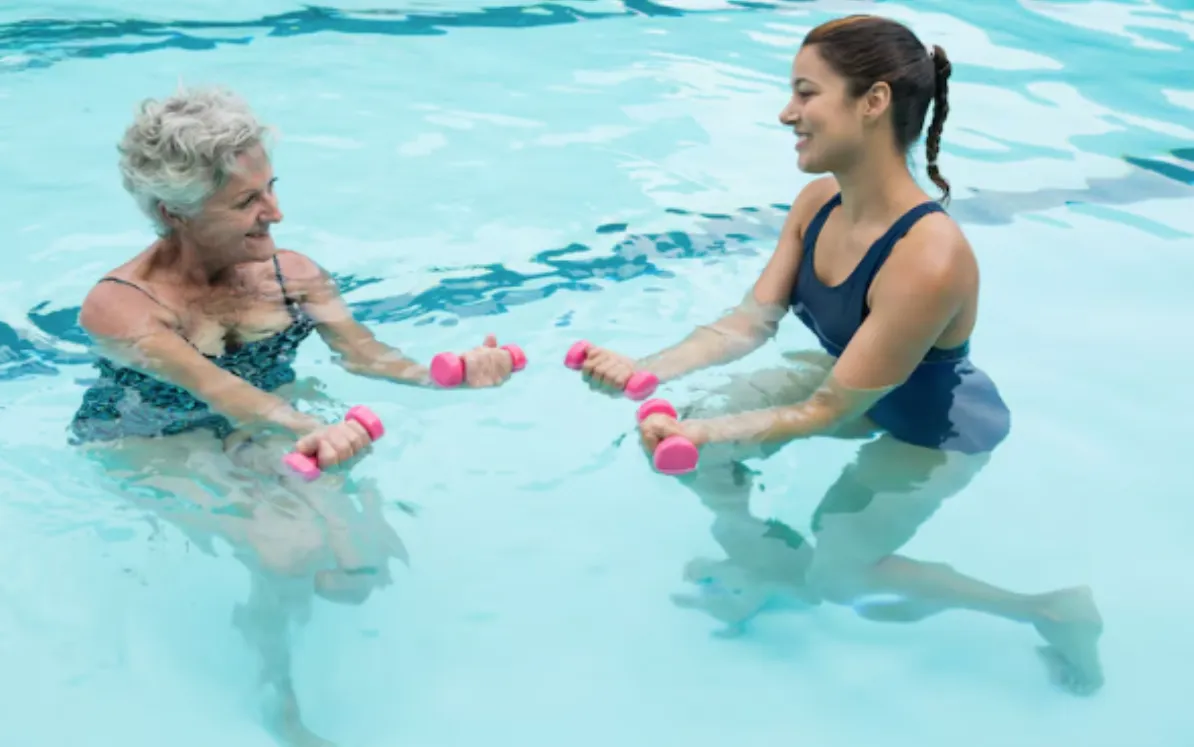
Aquatic therapy is an individualized rehabilitation approach utilizing a heated therapeutic pool in which rehabilitation exercises are indicated under the supervision of physical therapists with proper training. Water will provide buoyancy, resistance, and hydrostatic pressure, which will allow one to move comfortably while taking the pressure off hurting joints and muscles.
The advantage of aquatic therapy is that it enables patients to do exercises with less discomfort than is possible on land, since the body is lighter in water. This is especially helpful for people who have just had an operation or have arthritis or chronic conditions of the musculoskeletal system.
Water resistance also aids weight-bearing joints and the spine from overexertion. Aquatic therapy, with its unique mix of support and resistance, is an ideal option for enhancing balance, flexibility, stamina, and movement ability and for removing the worry of falling or reinjury.
What Is Traditional Physical Therapy?
Traditional physical therapy is a ground-based physical rehabilitation that focuses on individualized exercises, manual therapy techniques, mobility training and education to improve physical function. The treatment regimens are customized based on the patient's diagnosis and recovery goals and their ability to exercise.
Physical therapy treatment consists of strengthening exercises, stretching, balance exercises, postural correction, gait training and functional movement exercises all of which focus on enhancing physical performance. Manual methods like soft tissue therapy and joint mobilization also help to decrease stiffness and enhance movement.
Traditional rehabilitation is the preferred treatment and training approach used for many orthopedic injuries, sporting injuries, and most importantly after a surgical or surgical-like treatment for recovery in real-life day-to-day situations and activities.
Key Differences Between Aquatic Therapy and Traditional Physical Therapy
Treatment Environment and Exercise Methods
The key difference between these therapies is their place of treatment. Aquatic therapy is conducted in the water where the decreased buoyancy makes it easier to move and lessen the weight of the body. Traditional therapy is done on land, where the therapist can use manual treatment methods, exercise equipment, resistance bands and balance equipment.
Water can offer a gentle resistance without any weights or machines, however, land-based therapy can increase resistance as and when needed to achieve specific rehabilitation targets, with weights, machines and body weight.
Impact on Joints, Muscles, and Mobility
Because it supports a high percentage of body weight, aquatic therapy diminishes joint stress. This makes it easier for the patients to move if they suffer intense pain or their mobility is limited.
Traditional physical therapy training exercises normal weight-bearing, which can help to rebuild bone strength, muscular strength and the connectivity of the bones better. This can appear more difficult but helps prepare patients for normal tasks like walking, climbing, lifting, and even going back to work and sports.
Pain Management and Comfort During Rehabilitation
Patients often enjoy the instant relief that comes from warm water, which helps to relax muscles, decrease stiffness and stimulate blood circulation during sessions. Another benefit of water is that it reduces swelling and will make it easier to move around.
Therapists gradually tailor rehab programs to ensure exercises are safe while helping an individual recover, and patients may experience temporary discomfort during strengthening, but there's still a path to recovery. Another treatment option used to gain relief from back pain fremont can provide treatment combining aquatic therapy and traditional therapy as this technique may offer outstanding back pain relief along with the restoration of function.
Strength, Balance, and Functional Movement Training
Both treatments increase strength and balance; however, they do so in different ways. Water can make things difficult and be used to help foster coordination and confidence.
Typical therapy is based on real-life functional movement patterns. They are exercises that will help build strength in muscles involved with walking, lifting, bending and everyday tasks to make it easier to move back to the day to day world of independent living.
Benefits of Aquatic Therapy
Reduced Joint Stress Through Water Buoyancy
The buoyancy is one of the biggest benefits of aquatic therapy. Water also provides body support, which decreases the pressure on painful joints and provides more mobility. This allows the patients to start rehabilitation earlier (especially after surgery or intensive injuries), without overburdening the healing tissues.
Improved Flexibility, Balance, and Coordination
Risqué Water Resistance strengthens muscles evenly while encouraging smooth controlled movements. Many patients have a greater range of movement and feel the benefit of having an increased level of balance and coordination as water reduces the speed of movement, giving more control over activity.
These benefits are particularly beneficial as part of neurological rehabilitation where enhancing quality of body awareness and movement is one of the goals.
Ideal for Arthritis, Chronic Pain, and Post-Surgical Recovery
Many people with arthritis, fibromyalgia and chronic pain and people recovering from joint replacement surgery benefit from aquatic therapy. Water-based exercise is a benefit for patients recovering from knee replacement rehab therapy, as it can enable patients to move in water at an earlier time while decreasing discomfort.
Minimized joint loading allows for patients to regain trust and build strength and stamina through the rehab process.
Safe Exercise for Older Adults and Neurological Conditions
Aquatic rehabilitation is regularly provided to older adults to help encourage frequent movement in a safe setting where the risk of falling is lower. Water exercise also helps neurological patients develop better balance, walking capabilities and coordination.
PD patients under the care of therapists and practitioners might combine aquatics with other evidence-based therapies like the LSVT BIG and LOUD protocol to enhance movement quality, posture, balance, and communication. Similarly, those seeking Parkinson's physical therapy in Murrieta, CA, typically discover that combined neurological rehabilitative applications produce positive enhancements in everyday and functional independence.
Benefits of Traditional Physical Therapy
Targeted Strength and Mobility Exercises
Traditional physical therapy enables physical therapists to create very specific strengthening protocols based on the muscle weaknesses and movement deficits they observed. Exercise gradually progresses to develop flexibility, stamina, joint stability, and functional exercise.
These programs help prepare patients for everyday tasks and minimize the risk of future injuries.
Hands-On Manual Therapy Techniques
Manual therapy is still one of the most valuable parts of land management's daily rehabilitation. Joint mobilization, soft tissue release techniques, stretching, and muscle energy techniques are used by a skilled therapist to help alleviate pain, restore joint motion and enhance motion quality.
These types of treatments are usually used alongside exercise plans and are very hands-on in nature for patients to immerse themselves in, therefore providing them with a better chance to recover successfully.
Faster Progress for Sports and Orthopaedic Rehabilitation
Traditional physical therapy is ideal for athletes and those recovering from fractures, ligament injuries, tendinous issues and orthopedic surgery, as the rehab follows the same range of motion required in daily life.
Prospective increases in the level of activity training, agility training, balance training, and functional training are strategies used to safely return the patient to his or her work environment, recreational activities, and competitive sports with increased levels of confidence.
Personalised Treatment Plans for Long-Term Recovery
Individual treatment plans are crucial as every patient will respond in a unique way. Physical therapists identify the strength, flexibility, mobility, posture, balance, pain, and functional limitations prior to creating an individual prescription of recovery.
The provision of "one-to-one" therapy using both floating and conventional rehabilitation methods is a sign of their dedication to full care for patients. This holistic approach will have a positive impact on patient satisfaction, optimizing recovery results, enriching the clinical professional image, and supporting sustainable business development through positive referrals and long-term client relationships.
How to Choose the Right Therapy for Your Needs
There are some factors that have to be taken into account when choosing the right rehabilitation approach based on the diagnosis, pain, physical capabilities, recovery objectives, and medical history. Aquatic therapy can be beneficial to people who have severe joint pain, arthritis, obesity, or neurological disease or who have recently recovered from surgery, as the water will help to decrease pressure and allow movement.
In another situation, patients who are actively going to resume physically active work, competitive athletics or normal activity are often referred to a traditional PT to regain strength, endurance, and functional movement as they approach normal weight-bearing.
In many instances, an effective rehabilitation regimen incorporates all the therapy techniques. The advantage of starting to recover in the supportive environment of a therapeutic pool and gradually moving on to functional training on land gives the patient a safe space to recover and gradually rebuild strength, balance, and confidence. A skilled physical therapist can establish the most effective mixture of these, depending on the recovery stage and the patient's specific requirements.
Conclusion
Aquatic therapy and traditional physical therapy are evidence-based treatments that are effective with proven results in rehab, pain management, and improving physical function. Aquatic therapy offers a low-impact setting that allows for the free flow of movement and limits joint stress in a beneficial way, especially beneficial for recovery and rehabilitation after surgery, arthritis, neurological issues and chronic pain. It is crucial for strengthening, mobility, balance, and real-world functional performance to receive traditional land-based rehabilitation.
These therapies do not vie for supremacy, but instead many patients enjoy the maximum benefits when both therapies are used together as part of an individual treatment plan. Regardless of your desired outcome recovery from injury, mobility, back pain rehabilitation, deepening your experience post knee replacement surgery, or long-lasting back pain relief fremont the key is to obtain assistance from experienced rehabilitation professionals, and thus receive a treatment plan tailored to your needs. This multi-faceted patient-centered care approach not only enhances faster healing possibilities but it also has long-term health, independence and quality of life benefits for patients.
Frequently Asked Questions
Q1. Is aqua therapy better than physical therapy?
Aqua therapy is not always better. It suits pain relief and low-impact rehabilitation, while traditional physical therapy effectively improves strength, mobility, and functional recovery.
Q2. How long does aquatic therapy take to work?
Most people notice improvements within four to six weeks, depending on their condition, treatment consistency, overall health, and rehabilitation goals.
Q3. Can you combine aquatic and traditional physical therapy?
Yes, combining aquatic and traditional physical therapy often improves recovery by reducing pain, increasing mobility, building strength, and supporting faster rehabilitation progress.
Q4. Which therapy is best for sports injuries?
Traditional physical therapy is usually best for sports injuries, while aquatic therapy helps reduce pain, improve movement, and support early-stage recovery.
Q5. Can aquatic therapy help after surgery?
Yes, aquatic therapy supports post-surgical recovery by reducing joint stress, improving mobility, easing pain, and helping patients regain strength safely and comfortably.


