
 Menu
Menu

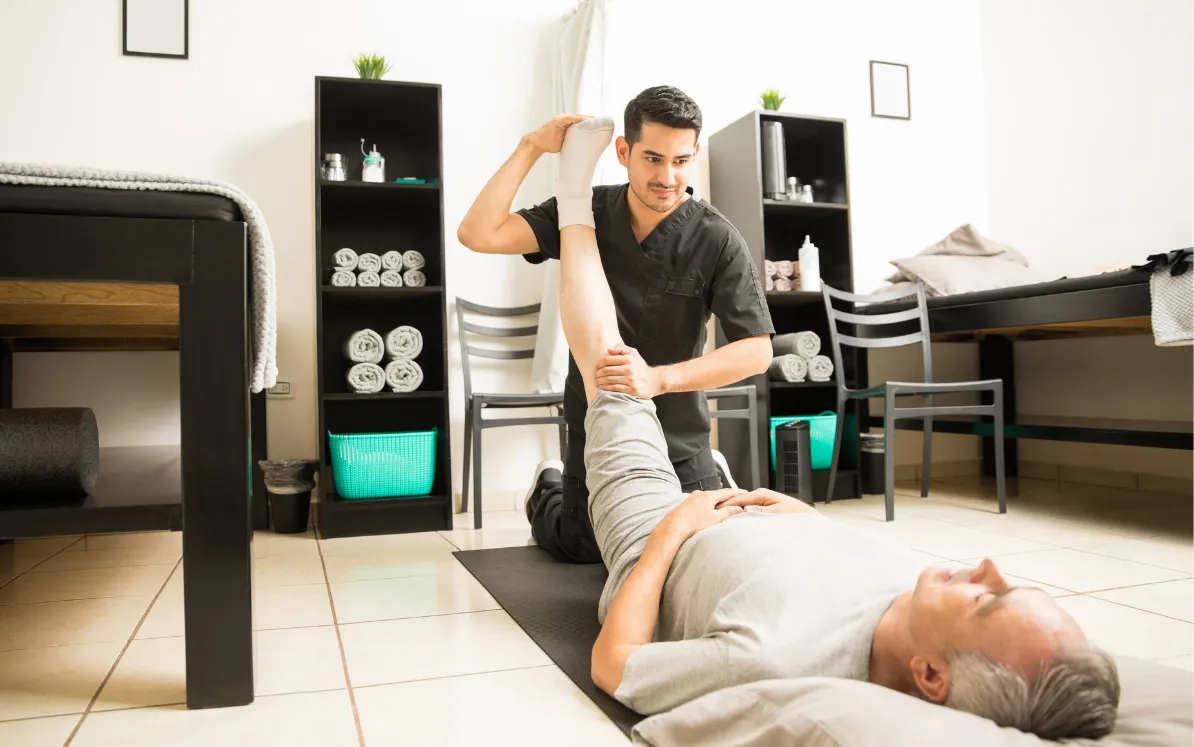
Everything You Should Know Before Starting Orthopedic Physical Therapy
The pain, stiffness, weakness and lack of movement can hinder the ability to perform daily activities, exercise, and, in general, quality of life. Orthopaedic physical therapy can offer focused help for recovery, whether you are recovering from an injury, as a treatment for those who have chronic joint pain, or awaiting the end of surgery and a resumption of your daily life. Orthopaedic rehabilitation is a discipline with more than just a focus on palliation of acute symptoms it emphasises functional gains, mobility, strength and the ability of the body to move without injury.
It's helpful to have some basic information about who can benefit from treatment, what can be treated and what methods can be used in a person's individual treatment programme before it is started. A physical therapist assesses your condition, movement patterns, strength and functional abilities to create treatment objectives that help you. It can help rehabilitation to be more targeted and have a gradual progression in recovery.
Who Can Benefit From Orthopedic Physical Therapy?
Many individuals with musculoskeletal issues can benefit from orthopaedic physical therapy. Treatment can be indicated for chronic pain, movement limitations or recovery after surgery, among others.
People Recovering From Sports Injuries
Sports injury therapy in Fremont can assist in this aspect to restore strength, flexibility and coordination and movement control, improving performance in sports and active individuals.
An athlete might also be able to achieve a slow return to activity through a structured programme, also without excessive stress on an injured area too quickly. A sports injuries clinic could offer assessment and rehabilitation plans which address the needs of individuals with special needs and their performance focal point.
Patients With Joint and Muscle Pain
Pain in the joints and muscles can be a result of overuse or ageing, as well as poor mechanics of movement or old injuries or conditions that affect the muscular system. Orthopaedic therapy can improve patient mobility and also correct factors that may be leading to their lack of motion like muscle weakness, stiffness, and movement patterns.
A programme incorporating therapeutic exercise, hands-on techniques, and education could be helpful in relieving back pain in Fremont. Besides just focusing on the painful site, physical therapists can look at how someone uses their body for strength, flexibility and movement and recognise their posture.
People Recovering From Surgery
Physical therapy can be pivotal following procedures such as joint replacement, ligament repair and other orthopaedic surgeries. A well-graduated programme can help to regain movement, strength and confidence while giving time for the body to heal itself.
For instance, rehab therapy following knee replacement might be initially aimed at improving knee mobility and minimising swelling before gradually progressing to strengthening, balance and functional activities. Advise patients to follow professional leads to achieve independence in daily living in a safe manner.
What Conditions Can Orthopedic Physical Therapy Treat?
Physical therapy in orthopedic practice can treat a wide spectrum of musculoskeletal issues that involve skeletal, joint, muscular, tendon and ligament dysfunctions. These usually involve back and neck issues, shoulder pain, knee pain, hip pain, arthritis, sprains, strains, tendon injuries and restrictions due to previous surgeries.
Treatment also is available for individuals who have limited mobility as a result of an injury or extended period of rest. If pain persists, back pain rehabilitation can be very helpful, as it can be used to help improve muscle weakness, flexibility, movement patterns and functional limitations in addition to pain treatment.
Treatment is determined by the individual's diagnosis, symptoms and recovery objectives and physical capabilities. An expert appraisal is essential, as the same symptoms may be linked with numerous different causes.
What Treatments Are Used in Orthopedic Physical Therapy?
Several types of orthopaedic rehabilitation are combined in a typical treatment. The therapist uses techniques in accordance with the patient's condition, progress and function, rather than employing the same programme for all patients.
Therapeutic Exercise
Many rehabilitation programmes use therapeutic exercise as a key component. Strength, flexibility, endurance, balance and joint mobility can be enhanced using exercises. Movements might be gentle with the early exercises and more resistance training and/or functional movements later.
A personalised exercise programme also empowers patients in a recovery process. Follow-ups regularly if necessary with exercises that have been prescribed can maintain progress and support improvements.
Manual Therapy
Manual therapy techniques, which are hands-on techniques, aim to mobilise, decrease stiffness and support comfortable movement. A therapist may apply various types of mobilisation of the joints, soft tissue techniques or any other specialised technique depending on the patient's needs.
Treatment can also be provided through manual therapy along with exercise. This combination can ease the patient's movement and develop strength and control to improve him afterwards for a long time.
Neuromuscular Re-Education
Neuromuscular re-education involves enhancing the function of the nerves and muscles. It might be helpful if there is an injury or surgery or a neurological condition that has impaired coordination, balance or control of movement.
Controlled movements, activity training, task-specific training and balance exercises can be used for activities. Training to improve movement quality can enable patients to be more effective and safe in performing daily tasks.
Additional Physical Therapy Techniques
In some situations other techniques may be used, such as therapeutic modalities, patient education, functional training or stretching and balance training, depending upon the treatment plan. These techniques can be used in addition to exercises and manual therapy (MT) when appropriate.
Additional neurological services can also be offered for those who need neurological rehabilitation. Parkinson's physical therapy in Fremont, for instance, will be able to help people who have issues with moving because of Parkinson's disease. There can be strategies used in programmes that relate to movement and to function related to communicating, such as LSVT Big and Loud, under appropriate professional guidance.
How Orthopedic Physical Therapy Supports Long-Term Recovery
Rehabilitation is effective more than just to alleviate pain temporarily. The purpose of orthopaedic physical therapy is to restore the physical abilities and movement patterns required for functional activities.
Increasing the basic problems of weak muscles may help to provide better support around problem joints, while mobility exercises will allow people to move more easily. Balance and coordination training also can decrease functional limitations and also boost confidence. Another crucial element is education, as the patients can grasp safe modification techniques and home exercises and identify movements that are unnecessary which could cause additional stress on the injured area.
For a business providing these services, extensive rehabilitation can create a good patient experience by providing a structured rehabilitation programme, one that is technically supported. A clinic becomes a wider centre of expertise, assistance and continuity of care that includes orthopaedic rehabilitation, post-surgical care, sports rehabilitation and pain management.
Common Mistakes to Avoid During Orthopedic Rehabilitation
A frequent error that is made is to move on too quickly. Sometimes people feel better, but tissues are not completely recovered. Rushing back into more vigorous exercises before a good level of strength and movement control has been achieved can be a risk of setbacks.
Failure to follow the home programme is another error. Physical therapy visits are just an aspect of treatment, and regular attendance can play a crucial role in progress.
Patients should not make comparisons with another patient's progress, either. The time to heal for each injury or surgery will vary based on the injury or surgery, fitness, age, and individual circumstances. The programme can be adjusted when needed by talking openly with the therapist about any pain experienced and if the programme is difficult or if there is some difference in symptoms.
When Should You Consider Orthopedic Physical Therapy?
Orthopaedic physical therapy can be an option if you have a physical limitation or are unable due to pain, weakness or stiffness to participate in activities or return to exercise. It is also suitable for cases of recurring injuries that are still a problem in your daily activities or after orthopaedic surgery.
Professional evaluation early may be helpful; addressing movement restrictions and weakness prior to the onset of increasing disruption can help to facilitate a smoother recovery. Those who are not certain about the benefits of therapy will be able to consult physical therapists about their symptoms and goals.
Local patients looking for physical therapy in Fremont will be able to find clinics to seek assessment and rehabilitation services. A good orthopaedics, sports and post-surgical rehabilitation provider will design a programme that takes individual treatment parameters into account rather than a one-size-fits-all approach.
Conclusion
OPT programmes may be a crucial component in regaining movement and regaining strength and confidence to return to normal living. A personalised programme can help to address active limitations and those factors that may be impacting long-term function, whether you have an existing sports injury, joint or muscle pain, are post-knee replacement surgery or are trying to overcome back pain rehabilitation.
The progressive nature of the rehabilitation is due to the therapeutic use of exercise, manual therapy, neuromuscular re-education and other suitable techniques as appropriate to each patient's needs. It can be easier to get support during recovery when working with a professional that offers thorough services as well.
Healthcare providers can provide a range of orthopaedic, sporting, post-surgical and neurological rehabilitation services, which allows them to better cater to the local community's needs. Sports injury therapy, orthopaedic rehabilitation and neurological physical therapy are among the professional programmes that can enhance patient care and also make the practice a trusted source for those who want evidence-based treatment.
Frequently Asked Questions
Q1. What should I know before starting orthopedic physical therapy?
Orthopedic physical therapy evaluates your pain, mobility, strength, and movement. Your therapist creates a personalised treatment plan based on your specific condition.
Q2. What happens during your first orthopedic physical therapy appointment?
Your therapist reviews your medical history, assesses movement, strength, flexibility, and pain, then discusses goals and creates an appropriate treatment plan.
Q3. How long does orthopedic physical therapy usually take to work?
Results vary by condition and severity. Some patients notice improvement within several sessions, while others may require weeks or months of consistent therapy.
Q4. What conditions can orthopedic physical therapy treat?
It can treat joint pain, sports injuries, fractures, arthritis, back and neck pain, muscle strains, post-surgical recovery, and movement-related conditions.
Q5. How does orthopedic physical therapy improve mobility and strength?
Therapists use targeted exercises, stretching, manual therapy, and movement training to reduce pain, strengthen muscles, improve flexibility, and restore functional mobility.


