
 Menu
Menu

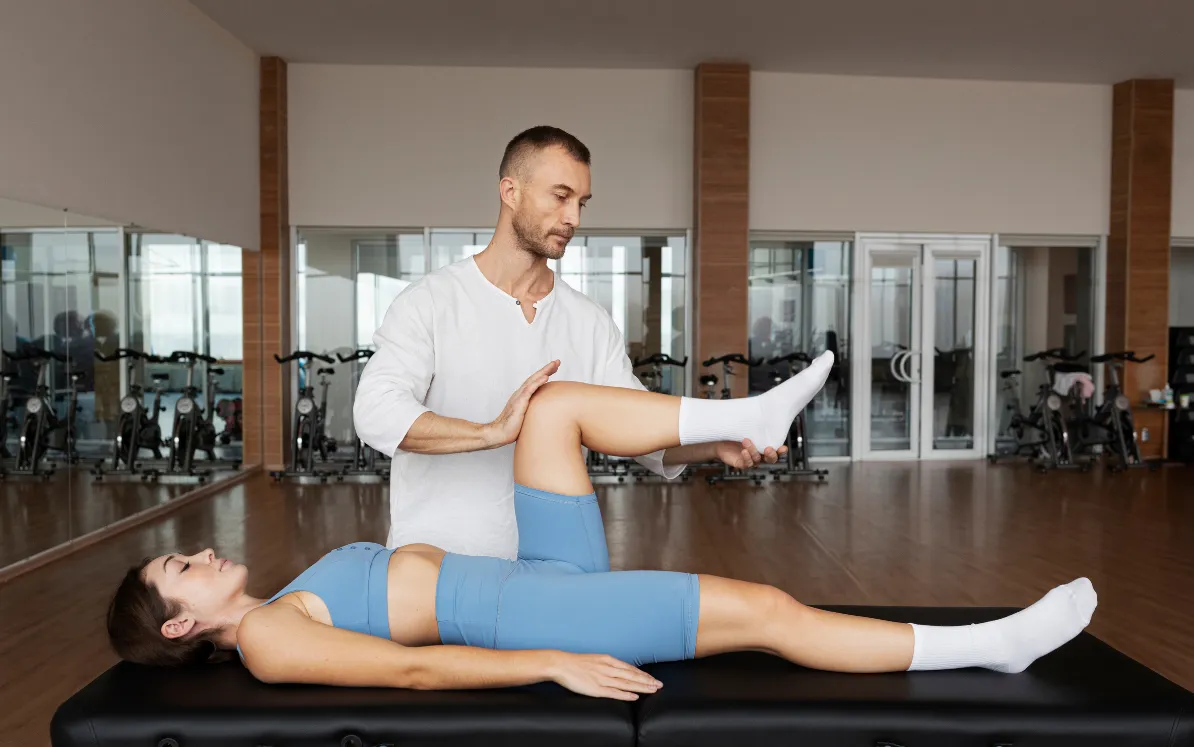
How Orthopedic Rehabilitation Restores Strength, Balance, and Mobility
Various conditions, including injuries, surgeries, joint issues, chronic pain, and age-related changes, can impact a person's daily life in terms of how they feel about how comfortable they are moving in it. Things that used to be easy may become more difficult, such as walking, climbing stairs, or doing household chores, as well as tasks like having difficulty with walking, exercising, working or standing, complying with tasks, holding a headset, using a tool, bending, stooping, bending from the waist, reaching, or lifting. Orthopaedic rehabilitation offers a systematic means of managing these restrictions and in helping others move back into function.
With individualised orthopaedic physical therapy patients can aim for better joint function, greater mobility and stronger muscles, as well as improved balance. Treatment can be helpful post-surgery or after an injury, and specialised rehab can also help for those who are living with long-term musculoskeletal conditions. The provision of services, including: Back pain rehabilitation therapy, knee replacement rehab therapy, manual therapy, therapeutic exercise, and mobility training may be customised.
In addition to helping patients resume their daily activities safely, comprehensive services can also hold professional rehabilitation companies responsible for promoting patients to return to work. To many professional rehabilitation companies, comprehensive care may even mean helping the patient return safely to his or her work. Rehabilitation can decrease long-term discomfort, help restore physical function and give confidence to return to normal, daily activities.
What Is Orthopedic Rehabilitation?
Orthopaedic rehabilitation is a specialised type of rehabilitation that addresses muscles, bones, joints, ligaments, tendons and other tissues that are associated with movement. It is usually applied after surgery or sports injuries, broken bones, arthritis, strains, sprains and chronic musculoskeletal pain.
When you commence a rehabilitation programme, the initial step is to evaluate your movements, strength, flexibility, balance, posture, pain and functional abilities. A physical therapist then designs a plan to meet the patient's goals or current abilities based on this information.
Therapeutic exercise, stretching, manual therapy, soft tissue work, balance training, and functional movement practice may be used for treatment. The goal is not just to relieve pain but to fix the cause of the pain and get movement back.
How Orthopedic Rehabilitation Restores Mobility
When pain or inflammation, weakness, abnormal movement patterns, or stiffness get in the way of normal movement, it can negatively impact mobility. Orthopedic rehabilitation tackles these issues gradually and effectively using a multifaceted approach of focused manual therapies, progressive activities and functional exercise training.
A well-structured treatment programme may be useful to help patients move their joints more comfortably, enhance the strength of the muscles that support the joints and improve their flexibility and control of movement. This method can help post-surgery as well as patients with long-term conditions.
Stretching and Flexibility Exercises
To relieve muscle tension and help to be more flexible in limited joints, stretching is useful. Therapists choose activities based on the client's needs, not an “excise for all” approach.
Regular flexibility exercises may aid smooth walking, reaching, bending, lifting and other normal activities. It can also be used to supplement strengthening exercises due to its capacity to take joints through a more comfortable range.
Joint Mobility Techniques
Joint mobility techniques are used to promote controlled motion when it is hindered by stiffness and/or decreased range of motion and compromises function. Active range of motion, controlled movements and techniques with the help of the therapist may be part of the rehabilitation.
Preparations for joint mobility exercises may help restore the freedom of movement after periods of inactivity, following an injury or surgery, or make activities easier. Rehabilitation is monitored carefully, and if necessary, exercises are stopped to ensure they are right for the stage of rehabilitation.
Manual Therapy and Soft Tissue Techniques
Manual therapy and soft tissue treatment may be added when discomfort and/or restricted soft tissue motion is caused by muscle tension, stiffness and/or restricted motion in soft tissues. They can be used alongside therapeutic exercise and help to mobilise the body so it can move more efficiently.
A customised manual and exercise approach may be useful for people looking for back pain relief in Fremont and to improve movement function and establish strength for function.
Benefits of Orthopedic Rehabilitation for Long-Term Recovery
The benefits of rehabilitation are not just over symptom management, either. A good programme targets the restoration of functional ability and teaches patients how to use the body in a way that will allow them continued function post-treatment.
Improved Muscle Strength and Joint Stability
Strengthening activities are applied to specific areas to support joints that are affected. Enhanced strength may improve daily activities that include standing, walking, lifting and ascending or descending stairs, as well as stabilise the joints.
Better Balance and Coordination
Balance/capability co-ordination exercises – enhancing the body's ability to respond to changes in position and movement. This is especially important in those who have fallen out of good physical shape due to lower limb injuries, surgery or less activity.
Increased Flexibility and Range of Motion
Routine mobility and flexibility activities may help patients restore the ability to move if mobility or flexibility has been compromised by stiffness, pain or lack of exercise. Greater mobility may make it easier and more efficient to perform tasks in daily living.
Greater Independence With Daily Activities
Rehabilitation is always related to the aspect of actual function. The training can be focused on gaits needed for dressing, bathing, walking, working, shopping, driving or housekeeping. Patients may be less dependent on others when they are fitter to perform some of their everyday tasks.
Improved Confidence During Movement
Some people don't want to move due to pain and/or previous injury. Rehabilitation takes place gradually and under supervision to offer opportunities to practise movements and develop confidence. With increased strength and control, it may be more comfortable for patients to resume their usual activities.
Reduced Risk of Future Injuries
Treatment for weakness, limited flexibility, imbalance and movement patterns that may be a source of future issues can be given during rehab. Strengthening exercises and the appropriate home exercises can help patients make progress and have a supportive effect on their physical resilience.
What to Expect During an Orthopedic Rehabilitation Programme
The standard pathway of an orthopaedic rehabilitation programme is an assessment followed by treatment. The therapist evaluates symptoms and medical history; previous injury or surgery; current range of motion; strength; flexibility; balance; and function and goals. This information can assist in determining a suitable treatment strategy.
Therapeutic exercises, manual therapy, mobility techniques, exercises to improve balance and functional training may be incorporated into sessions. The intensity of treatment will adjust according to the patients' progress. If recovering from knee surgery, for instance, you'd start with gentle movements and strengthening exercises and then progress to challenging functional exercises.
Businesses may also find a professional rehabilitation service helpful, as it helps rehabilitate their employees effectively and helps them get back on the job safely. Good physical therapy services in Fremont, CA, can help employees with musculoskeletal complaints recover function and get them back on their feet while promoting recovery for the musculoskeletal problems without overloading their workload with extra stress.
The orthopedic rehab is also different than neurological rehab, though people do sometimes look for people that offer orthopedic rehab in Murrieta, Ca, that are associated with other types of doctors therapists for Parkinson's, LSVT Big and Loud, or Parkinson's physical therapy. Each of these types of services meets varying clinical needs and should be chosen based on the person's condition and professional judgement.
How to Support Your Orthopedic Rehabilitation at Home
Consistent follow-through with the therapist's recommendation for home exercises can help with the natural progression in the sessions. Patients should start to do exercises as prescribed by their technique and frequency, not at greater degrees themselves.
Good posture exercises, taking sensible movement breaks during the day and following the recovery exercises at the end of a day's activity are also able to contribute to the progress. If your work involves sitting or working at a desk, your body could benefit from some movement and even avoid sitting for too long.
The rehabilitation professional needs to be informed about changes in symptoms. If you start to have increased pain, swelling, an unusual weakness, or difficulty doing the exercise, then it should not be ignored. The programme may change when needed to ensure it is safe and suitable.
Individuals seeking back pain relief in Fremont can benefit through home exercises as well as having a professional back pain programme. Unsurprisingly, those undergoing knee replacement rehabilitation may also greatly improve results if they stick with their recommended rehabilitation exercises between therapy sessions.
Conclusion
Orthopaedic rehabilitation can be a very significant player when we talk about regaining strength, balance, flexibility and mobility after you are injured, have surgery, or have issues with your musculoskeletal system. Rehabilitation integrates the various approaches of individualised exercise, joint mobility exercises, manual therapy, soft tissue stretching, and functional training to assist individuals to move more effectively and confidently.
The healing can go deeper than physical healing! Improved mobility can increase independence, help return to work and daily activities and minimise risk of future mobility-related issues. Comprehensive orthopaedic physical therapy services can provide value to patients and support a healthy, productive workforce for businesses for orthopaedic physical therapy providers.
Frequently Asked Questions
Q1. Who Needs Orthopedic Rehabilitation?
People recovering from fractures, joint replacements, sports injuries, surgeries, arthritis, or musculoskeletal conditions may benefit from orthopedic rehabilitation.
Q2. What Are the Four Main Types of Rehabilitation?
The four main types are physical, occupational, speech and language, and cognitive rehabilitation, each addressing different functional recovery needs.
Q3. What Is the Best Exercise to Improve Mobility?
Walking, stretching, range-of-motion exercises, and strength training can improve mobility, depending on your condition and rehabilitation goals.
Q4. What Are the Basic Principles of Rehabilitation?
Key principles include individualised care, gradual progression, consistency, functional training, pain management, proper technique, and monitoring recovery.
Q5. Can Orthopedic Rehab Prevent Injuries?
Yes, orthopedic rehabilitation can help prevent injuries by improving strength, flexibility, balance, mobility, movement patterns, and overall physical function.


