
 Menu
Menu

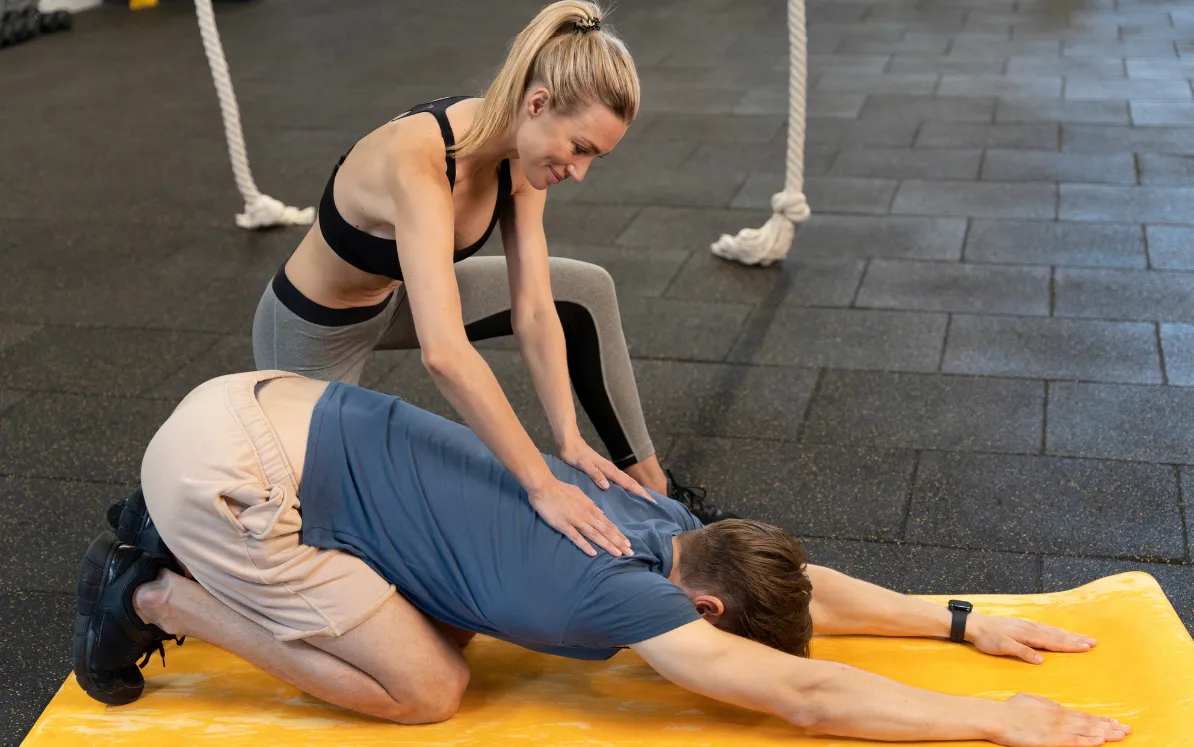
How Soft Tissue Techniques Can Support Flexibility and Comfortable Movement
Restricted movement, such as sitting at a desk or walking, and stiffness and tightness of muscles can make everyday tasks difficult, including physical activity such as walking, exercise and carrying things. These can occur in any of the following ways: repetitive motions, prolonged inactivity, recovery from surgery or sports injuries. Physical therapists often employ soft tissue techniques to treat soft tissue restrictions, increase movement and help people move more comfortably.
Soft tissue treatment is directed at other soft tissues like muscles, which are associated with flexibility and movement. A physical therapist will use hands-on methods, stretching, strengthening exercises and movement education, depending on the individual's needs. Patients can consider using a drug disposal to manage their recovery by understanding the different approaches. Being aware of possible methods may help patients make informed decisions on their recovery and select suitable professional support.
Understanding Soft Tissue Restrictions and Their Effects on Movement
The soft tissues that are found within the body, such as the muscles, tendons, and fascia, are responsible for assisting the body in moving, providing stability, and allowing them to withstand physical activity. As these tissues accumulate irritations, sensitisations, and/or decreased mobility, some movements can feel uncomfortable or limited. These can be caused by repetitive activities, not getting enough rest in between and injuries sustained under static postures.
Individuals who typically sit for a long period of time, for example, can help a hip, shoulder and upper back stiffness. Muscles can tighten up after hard work or, as patients heal from surgery, may have restricted movement.
They may impact mobility, walking style and exercise capacity. Tightness, however, does not necessarily mean a shortening of tissue, so it is important to determine the cause. A professional assessment is used to decide on whether soft tissue treatment, exercise, or medical investigation (including prescription) is indicated, or a combination of these methods is indicated.
What Are Soft Tissue Techniques in Physical Therapy?
Soft tissue techniques are treatment modalities that work with the muscles to resolve muscle tension, tissue sensitivity and motion dysfunctions. These can include finely controlled pressure, passive stretching, prolonged pressure or specific devices provided by a qualified therapist.
It's designed to make it easier for the patient to move normally and to get the most out of rehabilitative treatments. These techniques may be helpful for a little time to alleviate discomfort or enhance movement, but individual responses to the techniques and the effect of different conditions on movements are variable.
The treatment options that are typically chosen by a physical therapist are based on symptoms, medical history and functional goals. Active rehabilitation is frequently incorporated into soft tissue work since the achievement of comfort must be followed up with strength, coordination and the development of suitable movement patterns.
Common Soft Tissue Techniques Used to Improve Flexibility
Manual Soft Tissue Mobilisation
An area of manual soft tissue mobilisation relates to hands- on pressure and controlled movement of the muscles and surrounding tissues. These are therapeutic techniques that can be used to respond to a localised tenderness, muscle tightness or discomfort that is associated with issues of movement.
Treatment pressure and duration are varied, dependent on the patient's tolerance. Manual techniques combined with mobility exercises may make for patients more mobile and greater return to normal activities, without provoking discomfort.
Myofascial Release for Muscle Tightness
The method can be used if it is ongoing and causes pain or tightness that hinders motion. Fascia is fibrous tissue encircling muscles and other tissues in the body.
The method can be used if it is ongoing and causing pain or tightness that hinders motion. The therapist uses techniques that suit the affected area when indicated and incorporates movement training. For each and every individual, responses vary, and therapy ought to be based on signs and symptoms and how well one is functioning, not on expectations of quick fixes.
Instrument-Assisted Soft Tissue Mobilisation
The instrument-assisted soft tissue mobilisation technique is a treatment method that gently pressurises specific soft tissue areas with a specialised instrument. This can be beneficial for localised tenderness and/or movement restrictions caused by an injury and/or repetitive loading by a therapist.
Should be applied by a qualified specialist trained in technique and aware of any precautions/conditions. If there is too much pressure, this may lead to patient comfort problems, requiring proper assessment and pressure when treating.
Trigger Point Techniques for Localised Muscle Tension
The focus of trigger point treatments is on problem areas in the muscles that could be responsible for referred symptoms or local pain and discomfort. A therapist can gently and firmly press a certain area or use other manual methods for the area.
These can be of help to some patients to deal with the discomfort of muscle origin and tolerate movement. However, while all painful locations could be a trigger point, if the pain persists, you need to evaluate it to exclude other factors.
Soft Tissue Stretching and Mobility Techniques
Stretching and mobility techniques will help patients to exercise towards the goal of practical comfort through progressive and controlled activity. The therapist would create stretches, active ranges of motion and exercises for the client to tolerate specific positions.
These activities increase patients' control over their movements, in contrast to passive treatment only. The programme can also be customised to address weaknesses or movement patterns that may be factors in repetitive restrictions.
How Soft Tissue Techniques Support Flexibility and Comfortable Movement
Soft tissue techniques can be used as part of a comprehensive rehabilitation programme. They can be very useful when combined with a combination of symptom management and exercises which support patients to maintain functional improvements.
Improving Range of Motion
Having limited movement may make reaching overhead, bending, turning or walking more challenging. Differentiating between the localised discomfort and the range of motion it limits might make soft tissue treatment a beneficial component of treatment.
Someone with stiff shoulders might be able to perform appropriate range of motion exercises more easily following appropriate hands-on treatment. To enhance safe movement without injury or pain.
Reducing Muscle Tension and Discomfort
Progress can be hindered by muscle pain and then by a sense of difficulty in doing familiar things. Some may find relief in the short term with appropriate soft tissue therapy to enable them to enjoy the exercise and activities more comfortably.
A multi-modal programme, based on an assessment of movement confidence, trunk strength, and mobility, may help patients during back pain rehab. Depending upon evaluation and treatment objectives, electrotherapy or electric stimulation therapy can also be considered as an additional treatment option, as appropriate. Both methods cannot be used instead of determining the source of the chronic pain.
Supporting Better Posture and Movement Patterns
The ways in which a person sits and/or moves can affect tolerance of repeated tasks. May be able to treat discomfort that interferes with some positions with soft tissue therapies and educate and exercise for long-lasting change.
An upper back mobility exercise could be used to complement shoulder mobility work, and/or hip mobility work can be incorporated into a programme designed to help walk comfortably. Dealing with practical activities instead of one ideal posture should be the key point.
Improving Exercise Performance and Functional Mobility
Flexibility can be helpful with exercise movements, in the ability to move freely throughout the day, and with the ability to move with greater confidence in the completion of daily tasks. When patients' stiffness or discomfort prevent participation in active rehabilitation, soft tissue techniques may be helpful for this preparation.
Strengthening exercises, balance training and exercises that are specific to the sport can be used for people attending a sports injuries clinic as well. If necessary, soft tissue therapy prescribed by the knee replacement practitioners can be provided as part of the knee replacement rehabilitation along with knee movement, strength and walking regimes. These programmes should be pursued in a progression that follows healing, signs/symptoms and professional advice.
When Should You Seek Professional Help for Restricted Movement?
If there is pain or stiffness that occurs frequently, it won't let you get back to your job, exercise, or normal activities, or it returns again, it's a good idea to speak with a qualified physical therapist. When there is an injury or post-surgery, worsening symptoms, and/or when self-directed stretching is not improving function, professional assessment is critical.
A San Jose, CA, physical therapist can determine the restriction in movement and create a programme best for the person's needs. Individuals looking for physical therapy in San Jose, California, can check providers on their assessment process and rehab experience, as well as their types of services.
A hands-on practitioner and suitable complementary hands-on treatments can assist a wide spectrum of patients within their scope of practice. For instance, Motion Plus Aquatic and Therapy Center may be applicable to people who are considering therapy, but each person will need to check out the services offered and whether they are appropriate for their needs. When appropriate, the mulligan technique can also be used.
Physician care is required immediately if it feels very painful, if there is severe swelling after an injury, if weakness is new or getting worse, if you see numbness that does not seem normal or for other reasons. If the pain is in the back and the bladder or bowel function is new or one has lost normal sensation around the groin area, then this is an emergency situation, and the patient should be assessed immediately.
Conclusion
Soft tissue techniques can be used in conjunction with the proper rehabilitation as part of a patient's care plan to improve flexibility and comfortable movement. Some people may benefit from manual mobilising, myofascial release, instrument assisted techniques, trigger point work and mobility exercises to assist them to cope with pain and increase their movement tolerance.
But sustained change, however, usually needs more than what can be done on the job. To improve, moving often, educating and incrementally increasing activity are some of the key components of a successful recovery programme. Patients can find a provider who can take care of their needs and create a customised movement plan, encouraging them to improve their mobility and build confidence in everyday activities. Integrating evidence-based soft tissue management with exercise-based and other complementing care within rehabilitation practices can make treatment more all-encompassing and facilitate the treatment of a wider range of patient needs.
Frequently Asked Questions
Q1. What is a soft tissue technique?
A soft tissue technique involves hands-on treatment of muscles, tendons, and ligaments to reduce tension, improve mobility, and support physical recovery.
Q2. Can physical therapy help with flexibility?
Yes, physical therapy can improve flexibility through targeted stretching, mobility exercises, manual therapy, and personalised treatment plans designed to increase joint range of motion.
Q3. What are the techniques used in soft tissue mobilization?
Common techniques include myofascial release, trigger point therapy, deep tissue massage, friction massage, and manual stretching to improve tissue mobility and reduce stiffness.
Q4. What is the difference between massage and soft tissue mobilization?
Massage generally promotes relaxation and circulation, while soft tissue mobilization targets specific tissues to address restrictions, reduce stiffness, and improve functional movement.
Q5. Is soft tissue a direct or indirect technique?
Soft tissue mobilization is generally a direct technique because therapists apply hands-on pressure or movement to targeted tissues to address restrictions and improve mobility.


