
 Menu
Menu

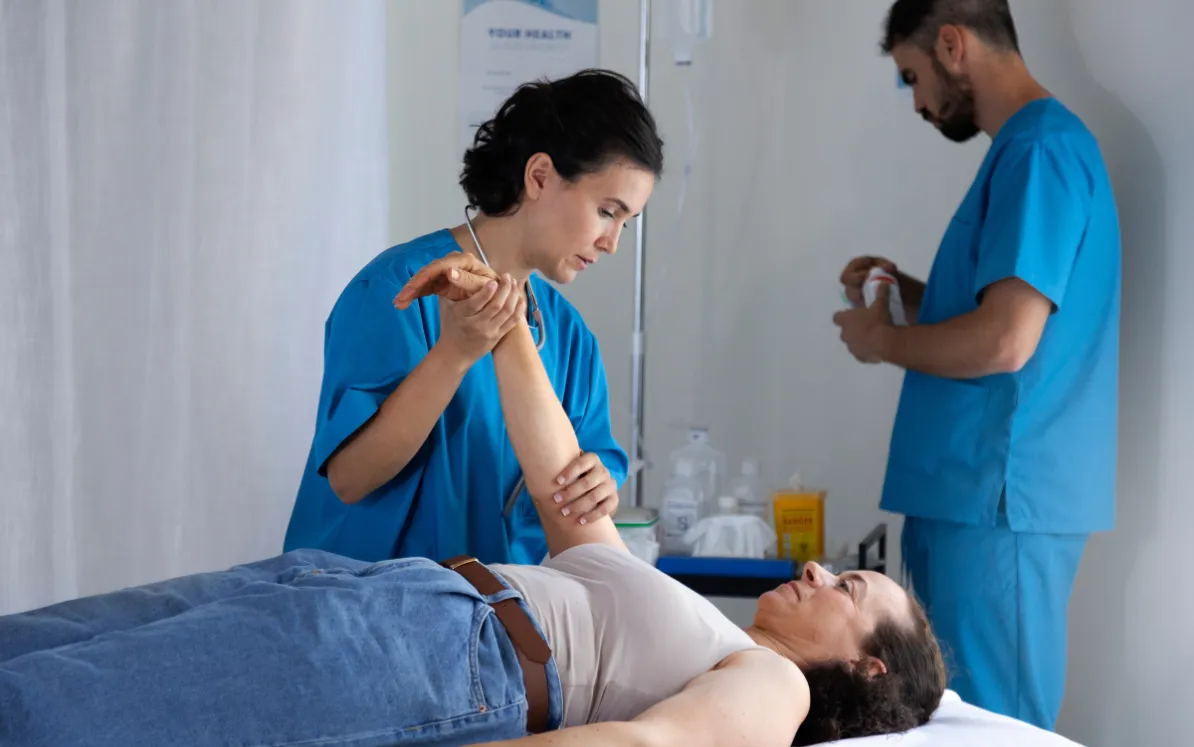
Orthopedic Physical Therapy vs Pain Medication: Which Works Better?
Chronic pain from an injury, joint problem, muscle strain or surgery can disrupt almost every aspect of routines. Being in that position could leave you feeling like finding the most simple of tasks, like walking, climbing stairs and even working at a desk or exercising, can be uncomfortable or difficult. When this occurs, many question whether pain medication or orthopaedic physical therapy is the better route to recovery.
Pain medication will help mitigate pain and aid individuals in coping with immediate symptoms. But medication is usually directed at pain control and not resolving the underlying movement or physical issue. Unlike traditional physical therapy methods, this process focuses on discovering underlying causes of pain or inability to move as opposed to just treating symptoms and dysfunctions.
The best method depends on the nature and severity of pain, condition being treated, patient history and personal desires for recovery. In many cases, physical therapy combined with medication is indicated but should be done under professional direction. Knowing how these options diverge can help patients make wiser decisions for being rehabilitated.
What Is Orthopedic Physical Therapy?
Orthopedic physical therapy is a type of orthopaedic rehabilitation where it deals with conditions related to the muscles, bones and joints; ligaments; tendons (which connect muscles); and nerves which affect especially parts like the musculoskeletal system. It can support individuals who are in pain, stiff or weak following an injury and those with balance problems that affect their daily movements.
Initially, the treatment starts with an evaluation of movement, strength and flexibility as well as posture, joint function, physical restrictions and joints. From these results, a therapist can determine an individual-specific programme tailored to the person's illness and desires.
These approaches have already had their benefits substantiated by the evidence, and depending upon what needs resolution, therapy may consist of therapeutic exercise; manual therapy (exercises for joint function); mobility activities to get moving again; neuromuscular re-education, which is designed to retrain brain motor pathways, both conscious and subconscious; and soft-tissue techniques as well as a cocktail of other collateral modalities that help each individual case. Other manual therapy techniques may also be supplemented, including the Mulligan technique when clinically indicated, to enhance joint function and functional mobility.
Patients looking for the motivated therapeutic services of physical therapy in Fremont, California, can receive planning and guiding support for musculoskeletal problems alongside advancement counselling to realise habits of motion and natural incoming assurance in their body's conducting power.
Orthopedic Physical Therapy vs Pain Medication: Key Differences
Treating the Cause vs Managing Symptoms
Perhaps the biggest way pain medication and physical therapy differ from each other is in their purpose. The type of medication prescribed or recommended to you is largely determined by its generic use, either as a means for reducing pain or inflammation (or both). This can help make symptoms easier to manage, especially during an acute injury or painful phase.
On the other hand, physical therapy is concerned with identifying and addressing physiological factors that likely play a role in pain. How the body works is affected by weak muscles, restriction of movement from joints, bad mechanics in movements, and a lack of balance between muscles and flexibility.
For example, a person with chronic low back pain does not just want the medicine to make their pains less noticeable they would benefit from back rehab that focuses on developing strength and flexibility, as well as posture/movement patterns.
Active Recovery vs Passive Pain Relief
Pain medication is mostly a passive method of alleviating symptoms. You swallow it and wait for the response, while with physical therapy you are part of the rehabilitation.
This can help gradually develop strength, flexibility and coordination as well as increase endurance over time. They help patients understand how to stay safe moving about and handling activities that might otherwise aggravate their symptoms.
This active process is important, especially when recovery requires more than just a decrease in pain for a short time. Engagement in rehabilitation helps patients with the practical skills they can continue to use after their supervised treatment is over.
Long-Term Mobility and Functional Improvement
Feeling better temporarily is one thing, but a vital aspect of successful rehabilitation includes many more facets than pain reduction alone. Being able to walk comfortably, lift objects, get back into sport or do stairs and work-related activities is a key feature of meaningful recovery.
The progressive nature of orthopedic physical therapy from strength and mobility limitations to greater functional capacity. This may aid patients in achieving long-term physical goals and helps to reduce the risk of recurrent issues caused by either poor movement or insufficient conditioning.
Medication remains a suitable avenue for controlling certain symptoms; however, physical rehabilitation offers an organised route towards functional improvements.
Which Option Works Better for Different Orthopedic Conditions?
Back and Neck Pain
Muscle weakness, limited movement or range of motion, and postural issues Repetitive strain, an achy body, sort of like some muscles do not get used to using forges, is associated with musculoskeletal problems such as back and neck pain when the muscles become weak. However, while medication can offer some immediate symptom relief, physical therapy localises limits in movement or strength that contribute to the issue.
This particular plan may comprise mobility work, strengthening, education around posture and some manual approaches. Where they are seeking back pain relief in Fremont, rehab is especially helpful when the discomfort hinders regular movement or comes in cycles.
Sports and Exercise-Related Injuries
Treating acute sports injuries like sprains, strains or tendon problems often takes more than simple pain control. Source: Rushing to return quickly before restoring strength, stability and quality of movement may increase risks for reinjury.
Orthopedic physical therapy can provide progressive rehabilitation designed around the person's sport, activity level and recovery stage. Exercises can gradually challenge the affected area while helping restore confidence and physical performance.
Knee and Shoulder Problems
Knee and shoulder disorders are also bodily burdens, painlessly, as these joints assist in walking, lifting/using an object on body parts like shoulders to reach objects high up, or other types of repeated movements. Physical therapy focuses on more muscle and functional movement challenges, such as strength, coordination or flexibility.
Knee replacement rehab therapy is one of the aspects to get patients on their feet after they have undergone joint reconstruction. A progressive rehabilitation programme may allow patients to progress safely towards improved walking ability, strength and everyday function.
Post-Surgical Rehabilitation
While surgery can correct or repair a structural issue, rehabilitation is often needed immediately after to restore proper movement and strength. Physical therapy can educate patients through proper and safe progressive stages of recovery while taking surgical precautions as well as each individual's rate of progress.
With regard to post-surgical rehabilitation, the focus may include managing stiffness, regaining range of motion, restorative strength training and a progressive return to function. As the patient gets stronger and more able, so too can the treatment plan.
Joint Stiffness and Mobility Limitations
The ordinary motion can be uncomfortable if your joint is stiff; also, the motions of activities become limited. Mobility, stretching, strengthening and hands-on treatment can be used in physical therapy to help promote better movement.
Rehabilitation does not just cover discomfort; it seeks to help patients adapt and ultimately overcome the physical limitations that influence their mobility. This is especially beneficial for those who have stiffness that comes on gradually due to inactivity, injury or other musculoskeletal conditions.
How to Choose the Right Approach for Your Pain
It is important to not always see the decision as dealing with physical therapy or sticking to medication. Treatment will depend on the source of pain, duration, severity and impact in daily life. Medication, rehabilitation or both may be suitable treatment modalities; only a healthcare professional can help you figure that out.
If you've had ongoing pain, chronic injuries or mobility issues after a diagnosis however long ago, getting an assessment from a physiotherapist may be appropriate. A tailored rehabilitation programme can outline the functional deficits and create pragmatic goals for return to pre-injury function.
Even a professional clinic can deliver specific curative assistance for anxiety disorders among patients. Mild post-surgery physiotherapy – For instance, iMotion Physical Therapy Fremont focuses on supporting patients with orthopaedic rehabilitation, mobility training and physical therapy focused on recovery. They offer a structured, professional method of care centred on the pursuit and achievement of clinically measurable functional goals while ensuring continuity in treatment and helping keep patients engaged with their plan.
If not limited to orthopaedic conditions, there are also physical therapy services that you can avail yourself of. People looking for Parkinson's physical therapy in Fremont or searching on Google for Parkinson's physical therapy in Murrieta, CA, often need neurological-based rehab to assist with balance, gait, coordination and movement challenges. Therapists may include LSVT Big and Loud approaches for motor goals or communication-related outcomes, if clinically appropriate.
In the end, it should take a perfect understanding of what is wrong to pick the best treatment instead of taking any method that has been shown to relieve pain at this point in time. Drugs might be a significant part, and rehabilitation can deal with the physical restrictions as well as progress over time.
Conclusion
Neither orthopedic physical therapy nor pain medication is inherently better or worse for any one person or condition. Physical therapy, in turn, deals with movement and rehabilitation through joint mobility, muscular strength, flexibility & general functional ability, while medications manage pain.
Current rehabilitation practice helps restore a level of activity to the patient who has completed the acute care phase and assists in relieving physical components that can lead to chronic disability associated with many orthopaedic conditions. It can assist in a safer, more reliable functional recovery from back pain rehabilitation to sports injuries and post-surgical care as well as knee replacement rehab therapy through an individualised programme.
Identify what actually is painful and choose the most appropriate interventions as defined by patient preferences, clinical facts & rehab goals. If the patients are professionally assessed first and undergo a rehabilitation programme tailored to their needs, they can aim higher for better mobility, balance, confidence and an active lifestyle.
Frequently Asked Questions
Q1. Is physical therapy better than medication?
Physical therapy can provide long-term benefits by addressing the underlying cause of pain, while medication often focuses primarily on managing symptoms.
Q2. Can Physical Therapy Provide Long-Term Relief Without Medication?
Yes, physical therapy can provide lasting relief by improving strength, flexibility, mobility, and movement patterns while addressing the underlying cause of pain.
Q3. Is Physical Therapy Good for Pain Relief?
Yes, physical therapy can effectively reduce pain by improving mobility, strengthening muscles, correcting movement patterns, and promoting natural healing without relying solely on medication.
Q4. Can therapy replace medication?
In some cases, therapy may reduce or eliminate the need for medication, but treatment depends on the condition, severity, and individual medical needs.
Q5. What type of therapy is most common?
Physical therapy is one of the most common rehabilitation therapies, helping people manage pain, improve movement, restore strength, and recover from injuries.


